
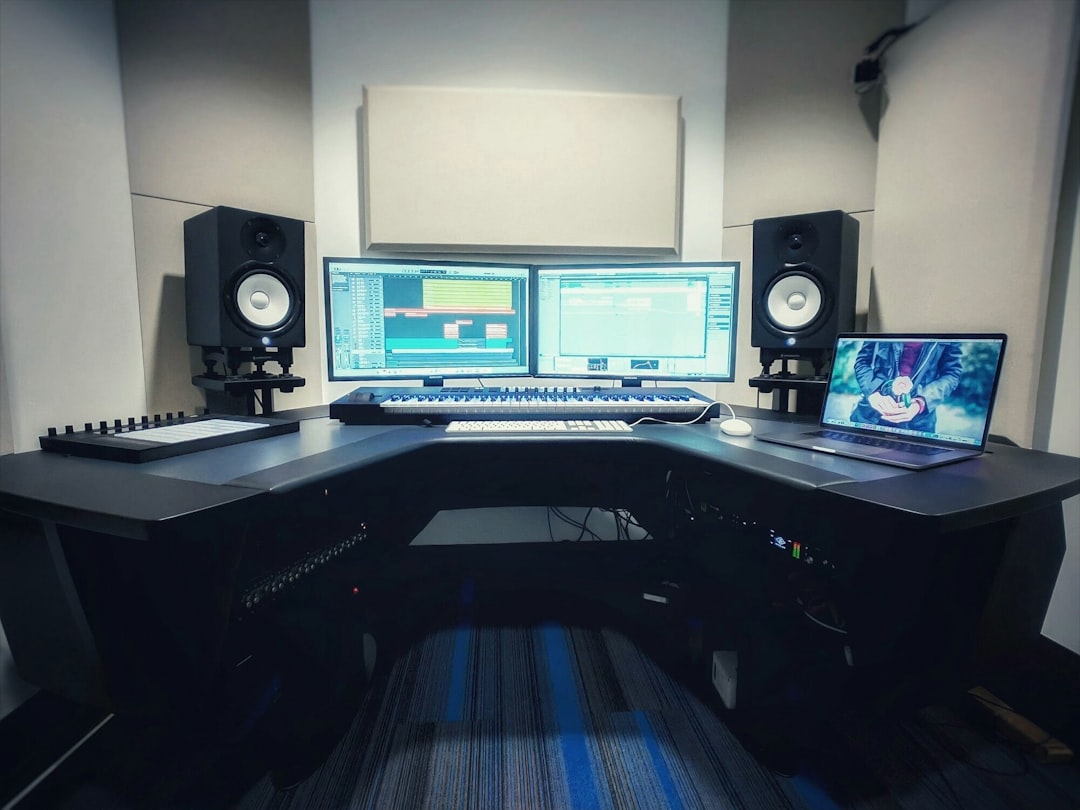
Deciding how much to charge for mixing a song comes down to your experience, your market, the genre, the track count, and how much editing the files need. Rates vary widely and anyone quoting one universal number is guessing. What you can do is build your fee from your own time and skill level, then sanity-check it against engineers in your tier. Here’s a practical way to land on a per-song price you can quote with confidence.
Start from your experience tier
The single biggest factor in how much to charge for mixing is where you sit on the experience ladder:
- Beginner / portfolio-building: you price low on purpose to get real projects, reviews, and credits — though it’s worth weighing whether doing free mixes to get started serves you better than a low paid rate.
- Working freelancer: you’ve got a consistent sound and happy clients, so you charge a solid mid-tier per-song fee.
- Established / credited: released work and demand let you charge a premium.
Be honest about your tier. A strong, varied mixing portfolio is what moves you up it — and what justifies every price increase. The trap that catches most newcomers is anchoring to the top of the market because that’s where the impressive numbers are. Clients hiring at a premium expect a premium track record, so quoting like an established engineer before you can demonstrate the work simply prices you out of the jobs you’re actually ready to win.
Factors that move the price per song
Even within one tier, a single flat rate won’t fit every job. Adjust for:
- Track count: a sparse acoustic song is far quicker than a dense 50-plus-track production.
- Genre: hip-hop, metal, and electronic mixes often involve heavier processing and arrangement work.
- File quality and prep: unlabelled, poorly recorded, or untimed stems mean editing time — charge for it or set prep requirements.
- Revisions included: more rounds of changes = more of your time committed.
- Turnaround: rush jobs deserve a premium.
If clients keep sending messy files, give them clear specs and point them to gain staging guidance so your quoted price reflects the work you expected, not a rescue mission.
A simple method to set your fee
- Time a typical mix. How many focused hours does an average song in your usual genre take you, including revisions?
- Decide what your hour is worth at your current level. Multiply for your floor price.
- Check the market. Browse engineers at your tier on SoundBetter, AirGigs, and Fiverr — these and other sites to find mixing clients show you the going per-song range.
- Set a base + add-ons. Quote one clear standard fee, then price extras separately: extra revisions, mix stems, vocal tuning, fast turnaround.
This keeps your base rate stable while letting bigger projects pay more. For the full business picture around these fees, see how to price your mixing services.
Per-song, hourly, or by the project?
Most mix engineers quote per song, and for good reason: it’s the unit clients understand and it lets them budget a whole release without watching a clock. But it isn’t the only option, and the right structure depends on the job.
- Per song works best for finished, well-recorded material where the scope is predictable. It rewards your efficiency — the faster you mix without dropping quality, the better your effective hourly rate.
- Hourly suits open-ended or messy work, such as heavy editing, comping, or production tweaks where you genuinely can’t see the finish line. It protects you when the brief is vague, but clients dislike uncapped meters, so pair it with an estimate.
- Project or EP/album rate makes sense for multi-song bookings. A small per-song discount across, say, five tracks is fair because you save setup time and lock in guaranteed work — just make sure the discount reflects real efficiency, not desperation.
Whichever you choose, quote a single clear number rather than a vague range. Ranges invite the client to assume the bottom figure, then feel overcharged when the real cost lands higher.
Common pricing mistakes to avoid
A few habits quietly erode what you earn:
- Forgetting prep and admin time. The mix isn’t the only work. Importing, labelling, exporting, bouncing alternate versions, and emailing all eat hours that your fee has to cover.
- Pricing on best-case speed. Base your rate on a typical mix with revisions, not the one song that flowed effortlessly. Outliers shouldn’t set your floor.
- Competing only on price. Undercutting to win work trains clients to expect bargain rates and attracts the people most likely to demand endless changes. Compete on sound, reliability, and clear communication instead.
- Never reviewing your rate. Prices should move with your skill and demand. If your fee hasn’t changed in two years of improving work, it’s almost certainly too low.
Define what’s included before you quote
Misaligned expectations cause unpaid extra work. State clearly what your per-song fee covers: the mix itself, the file formats you deliver, and how many revision rounds are included. Putting these terms into a written mixing contract protects your effective hourly rate and prevents endless tweaks — and read how to handle mix revisions with clients to keep that scope under control.
When to raise your per-song price
If you’re consistently booked and turning work away, your price is too low. Raise it for new clients, lean on recent credits and a stronger portfolio to justify it, and pair the increase with better turnaround or extra value so it lands as fair. Pricing should climb steadily as your skills and demand grow — it’s a dial, not a fixed setting.
Frequently asked questions
Is there a standard rate for mixing one song?
No. Fees vary widely by experience, market, genre, and track count. The useful approach is to build your price from your own time and skill level, then compare it against engineers in the same tier rather than chasing a single industry number.
Should I charge more for songs with lots of tracks?
Yes. A high track count or a processing-heavy genre takes significantly more time than a sparse arrangement, so it’s reasonable to charge more, use a tiered fee by track count, or add a complexity fee.
How many revisions should my mixing fee include?
A common approach is to include two or three revision rounds in the base fee and charge for further changes. State the limit clearly when you quote so the client understands the scope and you’re paid for additional work.
Should I charge a deposit before starting a mix?
For anything beyond a quick single, yes. Taking a portion of the fee up front — commonly half — confirms the client is committed and protects you against no-shows and ghosted final payments. Deliver a watermarked or reduced-quality preview first, then release the full-resolution files once the balance clears.



