
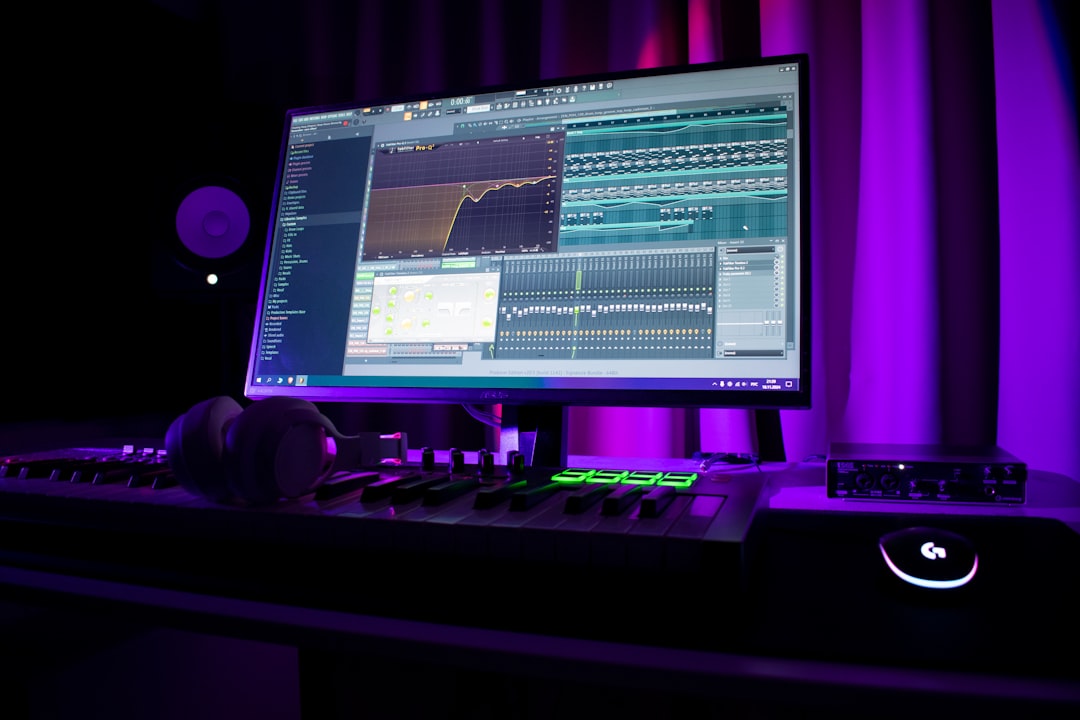
Doing free mixes to start can be a smart investment or a trap, depending on how you do it. The short answer: a small amount of strategic free or low-cost work early on can build a portfolio and relationships, but undefined, open-ended free work tends to devalue you and attract clients who never intended to pay.
Here is how to tell the difference and use free work without getting burned.
When free mixes actually make sense
Free work pays off when it buys you something concrete you cannot get otherwise:
- Portfolio samples — you need real material to show, and a few strong free mixes give you that. This is the core of building a mixing portfolio.
- Experience under realistic conditions — working with someone else’s messy stems and feedback teaches things solo practice cannot. See how to get audio engineering experience.
- Relationships and referrals — helping an artist you believe in early can lead to paid work and word of mouth.
- A specific genre you want to break into — a couple of targeted free mixes can open a new niche.
When free mixes hurt you
Free work backfires when it is open-ended or signals that your time has no value:
- Unlimited revisions — “just one more change” with no boundary can swallow weeks.
- Clients who could pay but won’t — established artists or labels expecting free work are usually a bad sign.
- No upside for you — if there is no portfolio piece, credit, testimonial or genuine relationship in it, ask what you are actually getting.
- It becomes your reputation — if you are known as the free engineer, charging later is hard.
How to choose which free projects to take
Not all free work is equal, and the offers that come your way will vary wildly in quality. Before you say yes, run each one through a few quick filters so you spend your unpaid hours on the projects that will genuinely move you forward:
- Is the source material any good? — a mix can only sound as good as the recording underneath it. Well-tracked, cleanly performed stems will showcase your skills; a phone-recorded scratch demo with phase problems and clipping will make even good mixing sound mediocre. A free project on strong stems is also a chance to improve your mixing skills on material that rewards the effort. For a portfolio piece, the quality of the raw recording matters as much as your work on it.
- Does it match the work you want to be hired for? — if you want paying clients in indie pop, a free metal mix proves little to them. Pick free projects in the genre and style you are trying to grow.
- Is the artist easy to work with? — clear communication and reasonable feedback are worth a lot. Someone who is vague, never replies, or changes direction constantly will cost you far more than the mix is worth.
- Will the result actually be released? — a mix that ends up on streaming platforms with your credit is worth far more than one that sits on a hard drive. Released, public work builds your name; private demos rarely do.
If a project ticks most of these boxes, it is probably worth your time. If it ticks none of them, it is likely just free labour dressed up as opportunity.
Set rules so free work stays useful
If you take on free or discounted work, treat it as professionally as paid work:
- Cap revisions clearly up front, just as you would on a paid job — the framework in how to handle mix revisions applies.
- Agree what you get in return: portfolio rights, a credit, a testimonial, or an introduction.
- Set a deadline so it does not drag on indefinitely.
- Limit how many free projects you take at once — one or two, not a constant stream.
A short written message confirming these points is enough — it does not need to be a formal contract. Something as simple as “happy to mix this for free in exchange for a credit and the right to use it in my portfolio, with two rounds of revisions and delivery in two weeks” sets clear expectations and protects both sides. The act of writing it down also signals that you take the work seriously, which tends to make the artist do the same.
Common mistakes to avoid
Most of the trouble engineers run into with free work comes down to a handful of avoidable errors:
- Treating it as lower priority — a half-hearted free mix damages your reputation more than no mix at all. If your name is on it, do your best work.
- Never setting an end point — without a defined deliverable and deadline, a free project can quietly become an unpaid part-time job.
- Saying yes to everyone — once word spreads that you mix for free, the requests pile up. Learn to decline politely once you have what you need, and put your energy into finding mixing clients who will actually pay.
- Forgetting to ask for the credit — the single most valuable thing most free work can give you is a public credit. Agree it before you start, not after the track is released.
- Staying free out of fear — many engineers keep working for free long after they are good enough to charge, simply because asking for money feels uncomfortable. That discomfort fades with practice; the lost income does not come back.
The better long-term move: charge a little, soon
Free is not the only way to start. Charging a low introductory rate filters out time-wasters, signals that your work has value, and still lets you build a portfolio. Even a modest fee changes the dynamic — paying clients treat the project more seriously. If you are unsure what that first number should be, how much to charge for mixing a song gives you a baseline, and how to price your mixing services walks through the bigger picture. The aim is to move off free quickly, not to camp there.
So, should you?
Do a handful of strategic free or discounted mixes to build proof and confidence — then stop, raise your rates, and let your portfolio carry you. Free work is a launch ramp, not a business model. The engineers who stay free too long usually struggle to ever get paid what they are worth.
Frequently asked questions
How many free mixes should I do before charging?
There is no fixed number, but think in terms of a small handful — enough to assemble a portfolio you are proud of and feel confident with real clients. Once you have a few strong samples, start charging, even if only a modest introductory rate.
Is free work bad for my reputation?
Only if it becomes your whole identity. A few clearly-scoped free projects early on are normal and harmless. Becoming known as the engineer who always works for free, with no boundaries, makes it much harder to be taken seriously as a paid professional later.
What should I ask for in return for a free mix?
At minimum, the right to use it in your portfolio and a proper credit. Ideally also a testimonial, an introduction to other artists, or a clear path to paid work. If a free project offers none of these, reconsider whether it is worth your time.
Should I tell a free client what the work would normally cost?
Yes, and it helps you both. Mentioning your usual rate — even casually — frames the free mix as a favour with real value rather than the default. It makes the artist more likely to respect your time, more likely to refer paying clients, and more comfortable hiring you at full price for their next release.



