
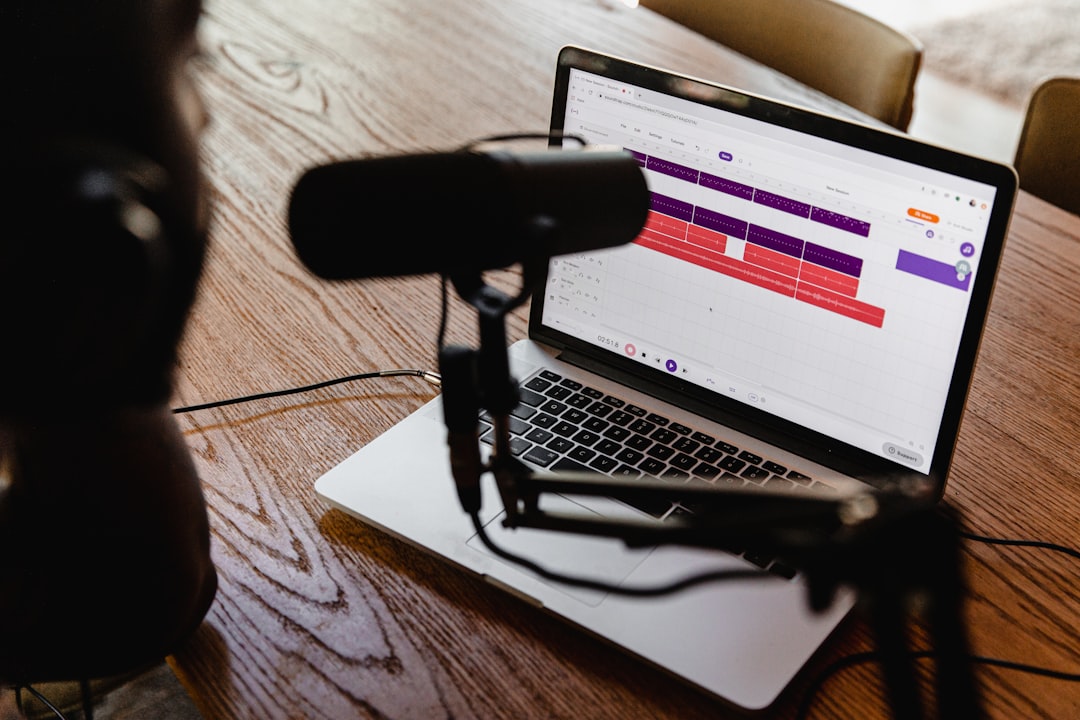
Here is how to add a drummer in GarageBand: create a new Drummer track, pick a genre and a virtual drummer whose style suits your song, then shape the groove in the Drummer Editor using simple controls for loudness, complexity and fills. You get a realistic, editable beat without programming a single note.
This guide assumes you have GarageBand open on a Mac with a project started — even just a single chord idea to play along with.
Add a Drummer track
Create a new track and choose the Drummer track type. GarageBand adds a track loaded with a virtual drummer and fills the timeline with editable Drummer regions that follow your project tempo automatically. Each region is a self-contained beat you can edit on its own.
- The drummer comes with a kit suited to its style.
- Regions snap to your song sections, so you can vary the beat across verse and chorus.
- You can play the whole song straight away and refine afterwards.
Choose a genre and drummer
GarageBand groups drummers by genre — rock, alternative, songwriter, electronic, hip hop and more. Each “character” plays differently and brings its own kit. Audition a few against your track; switching drummers changes both the feel and the default kit, so the right pick can transform a song.
When you are deciding, listen for the things that actually matter to your song rather than the genre label. A songwriter drummer tends to play with brushes or softer dynamics and leaves space, which suits acoustic and ballad material. Rock and alternative characters push harder and lean on the cymbals, so they carry energy but can crowd a sparse arrangement. Electronic and hip hop drummers swap the acoustic kit for sampled sounds and tighter, more programmed patterns. If you are unsure, pick the character whose default groove already sits closest to what you are humming in your head — you will spend far less time fighting the controls afterwards.
Shape the beat in the Drummer Editor
Open the Drummer Editor at the bottom of the window to access the controls:
- The XY pad sets how loud and how busy the drummer plays — drag toward simpler/softer or louder/complex.
- Kit-piece controls let you toggle which pieces (kick and snare, hi-hats, cymbals, toms, percussion) the drummer uses.
- Fills and swing adjust fill frequency and how loose the timing feels.
Edit each region separately so the verse stays restrained and the chorus opens up — that dynamic shift makes a programmed beat feel arranged rather than looped. A simple approach is to set a confident chorus groove first, then dial the verse regions back so the song breathes. Adding the occasional fill heading into a new section, or dropping the cymbals out for a bar, keeps long songs from sounding repetitive.
Use the drummer with other tracks
The drummer can lock to the rhythm of another track in your project, tightening the kick against your bass or guitar. This “follow” option is one of the quickest ways to make a generated beat feel like it belongs to your song rather than sitting on top of it. Build the rest of the arrangement around it using GarageBand’s other tools — Apple Loops for instant parts and making a beat in GarageBand if you want to add programmed percussion alongside the live-feel kit.
Common mistakes to avoid
Most weak GarageBand drum tracks come down to a handful of habits, and they are easy to fix once you know to listen for them.
- Leaving every region identical. A single groove copied across the whole song is the clearest giveaway of a generated beat. Vary the regions section by section so the arrangement has light and shade.
- Turning the complexity and fills up too high. A busy drummer fights the vocal and the rest of the band. When in doubt, play less — space makes the kit feel more confident, not less.
- Ignoring the follow feature. If the drums feel slightly detached from the song, locking the drummer to your bass or rhythm guitar usually tightens everything in one move.
- Skipping the gain stage before mixing. Get the raw balance right first; if the difference between gain and volume trips you up, sorting that out beats reaching for EQ and compression to fix a level problem and burying the issue.
Mixing the drums
Treat the Drummer track like any other in your mix — balance it, then shape with EQ and a touch of compression so it sits well. The essentials are in EQ and compression fundamentals, and our walkthrough on how to mix drums covers carving out the kick and snare in a full arrangement. When your song is finished, our guide on exporting a song from GarageBand walks through bouncing it down. For more tutorials, see the mixing and mastering hub.
Frequently asked questions
Does the GarageBand drummer follow my tempo?
Yes. Drummer regions adapt to your project tempo automatically, so changing the song tempo updates the groove to match.
Can I edit individual drum hits in GarageBand’s Drummer?
The Drummer Editor controls the whole performance rather than single hits. For finer control you can convert the Drummer region to MIDI and edit notes there, similar to the Drummer in Logic Pro. For most home projects, the editor’s loudness, complexity and fill controls are enough.
How do I make the verse drums quieter and simpler?
Open that region in the Drummer Editor, drag the XY pad toward less complex and quieter, turn off busier kit pieces like cymbals, and reduce the fills control. Edit verse and chorus regions separately for natural dynamics.
Can I add more than one Drummer track to a project?
Yes. You can add several Drummer tracks and assign each a different character or kit — for example a main acoustic kit plus an electronic percussion layer. Just keep an ear on the overall balance so the two patterns lock together rather than clutter the groove.



