
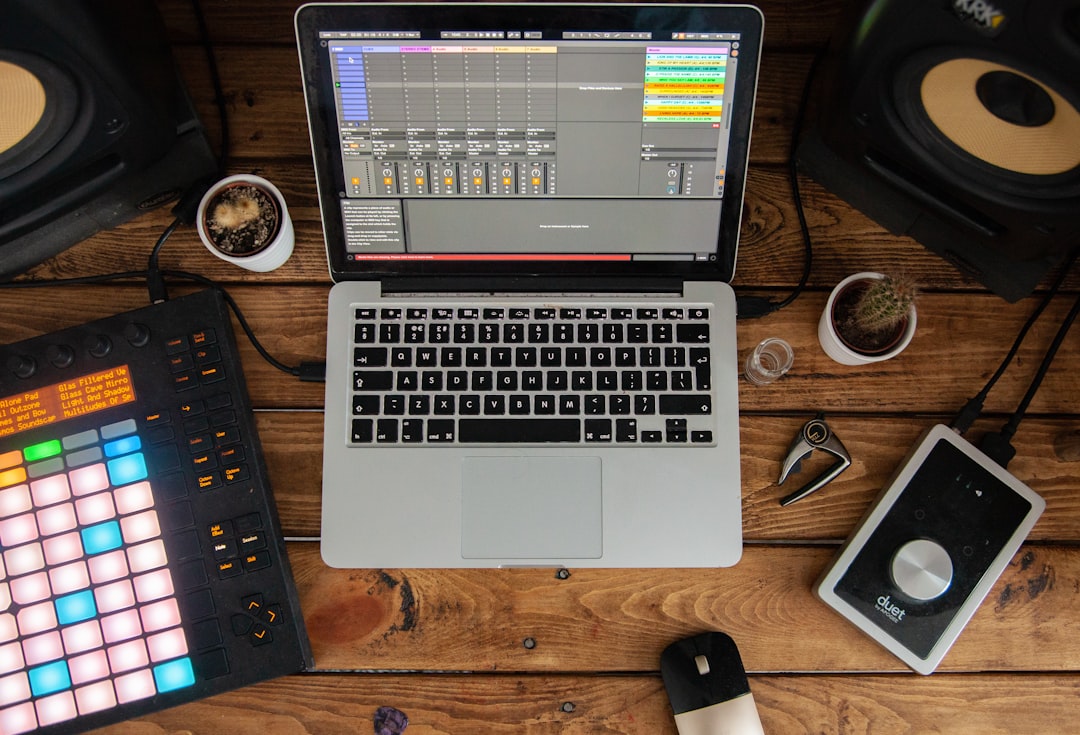
How to mix 808s well comes down to five things: tune the 808 to the song’s key, keep it separate from the kick, add saturation so it shows up on small speakers, control it with compression, and keep the low end mono. An 808 is the long, booming sub-bass that drives hip-hop and trap, and getting it to hit hard everywhere — from earbuds to a car system — is one of the trickiest parts of a modern mix.
Here is the step-by-step approach to a powerful, clean 808.
Step 1: tune the 808 to the song
An out-of-tune 808 will clash with the melody and sound wrong, especially on systems with strong bass. Because an 808 is a pitched instrument, you need to play it in the song’s key. Either set each note to follow the bassline, or pitch a one-shot 808 sample to the root note of the track. This single step fixes the most common 808 problem: a low end that feels off even when the level is right.
If you are working from a one-shot sample, find its native pitch first — many sample packs label it, but if not, drop the sample onto a tuner and read the note. From there you can transpose it to your root. Be aware that pitching a sample up or down a long way changes its character: stretch it too far and the decay shortens or the tone thins out. For wide note ranges it is usually cleaner to use a sampler set to repitch chromatically, or to layer a synth sub that tracks the MIDI so every note stays full and in tune.
Step 2: separate the 808 and the kick
The kick and the 808 both live in the low end, so they fight for the same space. If you do not manage this, you get a muddy, undefined low end where neither hits properly. The same battle plays out any time you mix the kick and bass together, and the fixes are similar. Common solutions:
- Sidechain the 808 to the kick so the 808 ducks briefly each time the kick hits, letting the kick punch through cleanly.
- EQ them into different lanes — let the kick own a slightly higher punch frequency and the 808 own the deep sub, or carve a notch in the 808 where the kick lives.
- Use a short, tight kick so it pokes through the sustained 808 rather than overlapping it the whole time.
The goal is to hear both: the kick’s transient punch and the 808’s deep sustain.
In a lot of modern trap, the kick and the 808 are meant to read as a single combined hit rather than two separate sounds. When that is the aim, line up the kick’s transient with the start of the 808 so they trigger together, and let the kick supply the click and attack while the 808 supplies the weight. Sidechain compression with a fast attack and a quick release is enough to clear room for the transient without making the bass pump audibly. Set the release so the 808 recovers before the next note, otherwise sustained low end gets chopped up and loses power.
Step 3: add saturation so it translates
Pure sub-bass is almost inaudible on phones, laptops and earbuds, which have no real low-frequency response. Saturation (or distortion) adds harmonics higher up the spectrum that those small speakers can reproduce. Your brain fills in the missing fundamental, so the 808 still feels present even on tiny speakers.
- Add saturation until you can clearly hear the 808 on a small speaker or laptop.
- A common trick is to split the 808 into a clean sub layer and a saturated layer, so you keep deep weight on big systems and presence on small ones.
- Do not overdo it — too much turns the 808 into harsh buzz.
If you use the split-layer approach, treat the two layers differently. Keep the clean sub layer mono and unprocessed below roughly the sub region, then high-pass the saturated layer so its added harmonics sit above the fundamental rather than doubling the deep weight. This way you can ride the brightness of the harmonic layer to taste without losing low-end control. A multiband saturator that only drives the upper part of the 808 achieves a similar result on a single track, leaving the fundamental clean.
Step 4: compress and control the level
808s can be wildly dynamic, with some notes far louder than others. Compression evens them out so the bass is consistent across the track. A compressor with a slower attack lets the initial transient through while taming the sustain. This keeps the 808 steady without killing its impact. For the underlying technique, see EQ and compression fundamentals.
Watch the compressor’s detector with very low bass, though: fast settings can react to individual waveform cycles and introduce distortion. Engaging a sidechain high-pass on the compressor’s detector, or simply using slower timings, keeps the gain reduction smooth. Clipping is the other half of 808 control. A clipper or limiter on the 808 shaves off peaks so you can push the overall level higher without the bass jumping out unpredictably, and it adds a touch of the same harmonic content that helps translation.
Step 5: keep the low end mono
Sub frequencies should be centred and mono. Stereo information in the deep low end causes phase problems and translates badly to club and car systems, which sum the bass to mono anyway. Use a utility or stereo tool to collapse the lowest frequencies to mono while leaving any higher harmonics where they are. If this is new to you, our guide on mixing in mono explains why it matters. This is the same principle behind a tight electronic low end — our guide on mixing electronic music covers it too.
Step 6: reference and check translation
The 808 is the element most likely to sound great on your setup and wrong everywhere else. Always check it on multiple systems: studio monitors or headphones, a phone speaker, earbuds, and a car if you can. Compare against a commercial track in the same style at matched volume — here is how to use a reference track properly. Good gain staging from the start keeps levels predictable through this process. Before final loudness, read our LUFS guide and what mastering is. For more tutorials, see the mixing and mastering hub.
Common 808 mixing mistakes
Most weak 808s come down to a handful of avoidable errors. Watch for these:
- Turning the 808 up instead of fixing it. If the bass feels weak, more level usually just eats headroom and muddies the mix. Tuning, saturation and clipping make it feel louder without adding gain.
- Mixing only on headphones or a sub-heavy room. What sounds balanced on bass-flattering monitors can be overpowering everywhere else. Trust your references and small-speaker checks over your own room.
- Stacking too many low layers. A kick, an 808 and a separate sub bass all competing for the same octave will never sit cleanly. Decide which element owns the fundamental and high-pass the rest.
- Forgetting note length. Glides and overlapping 808 notes can blur the groove. Shorten or sidechain sustained notes so the rhythm stays defined.
Frequently asked questions
Why can’t I hear my 808 on my phone or laptop?
Small speakers cannot reproduce deep sub frequencies. Add saturation or distortion to your 808 so it generates harmonics higher in the spectrum that small speakers can play. Your ear fills in the missing low fundamental, so the 808 still feels present.
Should I sidechain my 808 to the kick?
Often, yes. Sidechaining the 808 to the kick makes the 808 duck briefly each time the kick hits, so the kick punches through cleanly instead of the two muddying each other. You can also separate them with EQ if you prefer.
Do I need to tune my 808s?
Yes. An 808 is a pitched bass instrument, so it must be in the song’s key or it will clash with the melody and sound off, especially on systems with strong bass. Play the notes in key or pitch one-shot samples to the right root note.
Should I clip or limit my 808?
Clipping an 808 is common and useful. A clipper trims the loudest peaks so you can raise the overall level without the bass jumping out, and it adds gentle harmonics that help the 808 read on small speakers. Use it alongside compression rather than instead of it: compression evens out note-to-note dynamics, while clipping controls the very top of the peaks.



