
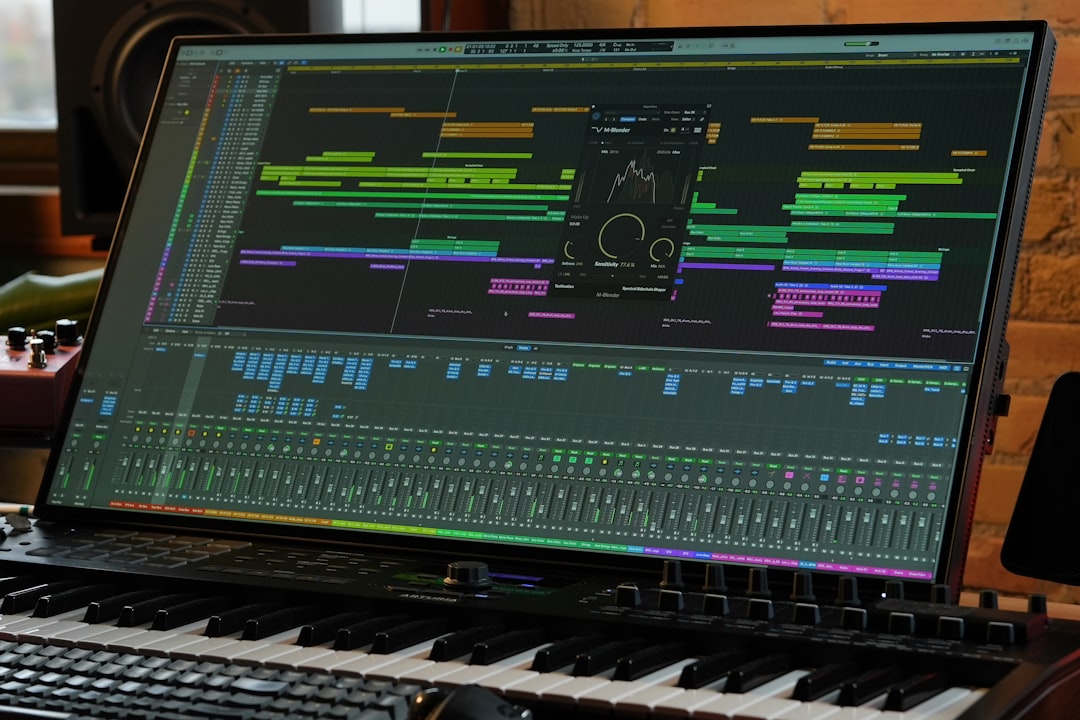
How to mix electronic music comes down to a few priorities that matter more than they do in other genres: a tight, controlled low end; clear separation between the kick and bass; deliberate use of width and depth; and a mix that stays clean when it is pushed loud. Electronic music lives and dies by its low frequencies and its energy, so most of your effort goes into making the bottom end powerful and the whole track punchy.
Here is a practical order of operations for mixing an electronic track, whatever the subgenre.
Get the arrangement and gain staging right first
A good mix starts with a good arrangement. If too many elements occupy the same frequency range at the same time, no amount of EQ will fully fix it — sometimes the answer is to remove or mute parts. Set sensible levels with headroom before you process anything; clean gain staging keeps your whole mix predictable.
Control the low end
The low end is where electronic mixes are won or lost. Two elements usually dominate: the kick and the bass. The problem is they often fight for the same frequencies, causing a muddy, undefined bottom. Getting the kick and bass to sit together is the single most important job in the whole mix.
- Decide who owns what. A common approach is to let the kick own the very low sub thump and the bass sit just above, or vice versa, so they are not stacked on the same frequency.
- High-pass everything that does not need low end. Synths, pads, hats and vocals rarely need anything below the bass region — rolling it off cleans up the mud instantly.
- Mix the low end in mono. Sub frequencies should be centred and mono so they translate to club systems and stay phase-coherent.
Sidechain the kick and bass
Sidechain compression is the classic electronic-music move. You compress the bass (and often pads) using the kick as the trigger, so every time the kick hits, the bass briefly ducks. This does two things: it stops the kick and bass competing for the same energy, and it creates the rhythmic “pumping” feel that defines a lot of dance music. Start subtle for clean separation, push it harder for an obvious pump as a creative effect. If the technique is new to you, our guide to sidechain compression explains exactly how it works.
Build width and depth
Electronic music often sounds huge because of careful spatial design. Keep the important low-end elements centred and mono, then create width in the mids and highs:
- Pan and spread synths, percussion and effects across the stereo field.
- Use stereo widening on pads and atmospheres (but not the bass).
- Create depth with reverb and delay so some elements sit forward and others sit back — see reverb and delay.
The contrast between a tight mono low end and a wide, deep top end is what makes a mix feel three-dimensional.
EQ and compression for clarity
With levels and space set, sculpt tone and dynamics. Carve competing elements so each has its own pocket — if a synth and a vocal clash, dip the synth where the vocal lives. Use compression to glue groups together and to add punch to drums. The fundamentals are the same across all genres; see EQ and compression fundamentals.
Mixing in the box: useful habits
Most electronic music is mixed entirely inside the DAW, which gives you total recall and unlimited processing — but it also makes it easy to over-process. A few habits keep the workflow under control:
- Bus your elements into groups. Send all your drums to a drum bus, your synths to a synth bus, and so on. This lets you balance and process whole sections at once rather than juggling dozens of individual channels.
- Mix into a rough master chain. Putting a gentle bus compressor and limiter on the master early lets you hear roughly how the track will behave when it is loud, so you make decisions in context instead of being surprised later.
- Automate, do not just set and forget. Electronic arrangements move through breakdowns, builds and drops. Automating level, filter cutoff and effect sends across these sections keeps the energy rising and falling deliberately rather than sitting flat.
- Use parallel processing for weight. Blending a heavily compressed or distorted copy of your drums or bass underneath the clean signal adds density and aggression without crushing the dynamics of the original — see parallel compression.
How to choose what to fix first
When a mix is not working, resist the urge to reach for a plugin straight away. Work in priority order: balance, then space, then tone, then loudness. Most “it sounds wrong” problems are actually balance problems — an element is simply too loud or too quiet — and a fader move solves them faster and more transparently than any processing. Only once the static balance is right should you worry about stereo placement, EQ carving and finally level. Mixing in this order stops you from EQ-ing a problem that a 2 dB fader change would have fixed.
Common mistakes when mixing electronic music
- Over-widening the low end. Stereo bass and sub can sound impressive on headphones but collapse or even cancel out on a mono club system. Keep the bottom centred.
- Chasing loudness too early. Slamming a limiter before the balance is right just makes a bad mix loud. Get the mix translating first, then push level.
- Too much reverb. Long reverbs wash out the rhythmic precision that electronic music depends on. Favour shorter spaces and delays, and high-pass your reverb returns so they do not clog the low end.
- Never referencing. Mixing in isolation lets small problems drift. Compare against commercial tracks regularly.
- Mixing too loud. High monitoring levels flatter everything and tire your ears. Make key decisions at a moderate volume and check on more than one set of speakers or headphones.
Loudness and the final polish
Electronic music is often loud, but loud should never mean distorted. Use bus compression and a limiter on the master to add density and level, and check your loudness with metering rather than just turning it up. Our LUFS guide explains sensible targets, and what mastering is covers the final stage. Reference a commercial track in your genre at matched volume to judge whether your low end, brightness and loudness are competitive. For more, see mixing your first song and the mixing and mastering hub.
Frequently asked questions
Why does the low end of my electronic mix sound muddy?
Usually the kick and bass are occupying the same frequencies and fighting each other. Separate them so each owns part of the low range, high-pass everything that does not need bass, and keep your sub frequencies mono and centred.
What is sidechaining and do I need it?
Sidechaining compresses the bass using the kick as a trigger, so the bass ducks each time the kick hits. It separates the two elements and creates the pumping rhythm common in dance music. It is not mandatory, but it solves kick-bass clashes very effectively.
How do I make an electronic mix sound wide?
Keep the low-end elements centred and mono, then spread synths, percussion and effects across the stereo field with panning and stereo widening. Add depth with reverb and delay so some sounds sit forward and others sit back.
Should I mix and master at the same time?
Keep them as separate mindsets even if you do both yourself. Mix until the balance translates well on several systems, then bounce and approach mastering with fresh ears. Running a rough master chain while you mix is fine for context, but final loudness and polish decisions are best made once the mix is finished.



