The cabinet is where a digital guitar tone lives or dies. You can run the best amp model in the world, but if the speaker and microphone stage sounds fake, the whole track sounds like plastic. Choosing the best cab sim plugin for your rig is really about two things: whether it loads high-quality impulse responses (IRs) and how much control it gives you over the mic, the speaker, and the room. This guide covers the cab and IR tools worth knowing, what separates a convincing cab from a fizzy one, and the exact moves that get a recorded guitar to sit in a mix.
What a good cab sim plugin actually does
A cab sim is not magic — under the hood most of them play back an impulse response, which is a snapshot of a specific speaker captured with a specific microphone in a specific position. The quality of that capture matters far more than the brand on the box. What separates the best cab sim plugin from a mediocre one is the range and realism of its captures, and how naturally it lets you blend microphones. Look for these features:
- Multiple mic options — at minimum a dynamic like an SM57 and a condenser, ideally a ribbon too.
- Continuous mic movement, so you can slide from the bright center of the cone to the warm cone edge instead of picking fixed presets.
- Two-mic blending with a phase/alignment control, because most pro guitar tones are a blend, not a single mic.
- Third-party IR loading, so you are never locked into the maker’s captures.
The best cab sim plugin options to consider
A few tools consistently come up when engineers talk about in-the-box cabs. Two Notes Wall of Sound is a long-standing favourite because it models the speaker, the power-amp interaction, and dual miking with a genuine room control, so it behaves more like a real cab than a static IR. Ignite Amps NadIR is a free, dual IR loader that is stone reliable and a great way to audition third-party impulses without spending anything. If you want captures that push into “did they mic a real cab” territory, IR libraries from York Audio, Ownhammer, and the official Celestion IRs are the ones producers reach for; they are files you load into any loader rather than standalone plugins.
Most full amp-sim suites also include strong cab sections, which matters if you would rather keep everything in one plugin. AmpliTube ships a deep cab room with multiple movable mics and mic blending, and Overloud TH-U includes both cabinet models and a large IR-style library. Neural DSP plugins (sold direct from Neural DSP, not third-party stores) are widely praised for cab and IR quality baked into each Archetype. The honest takeaway: you rarely need a separate cab plugin if your amp sim’s cab section is good — the standalone loaders earn their place when you want boutique third-party IRs or a lighter CPU load.
Mic placement inside a cab sim
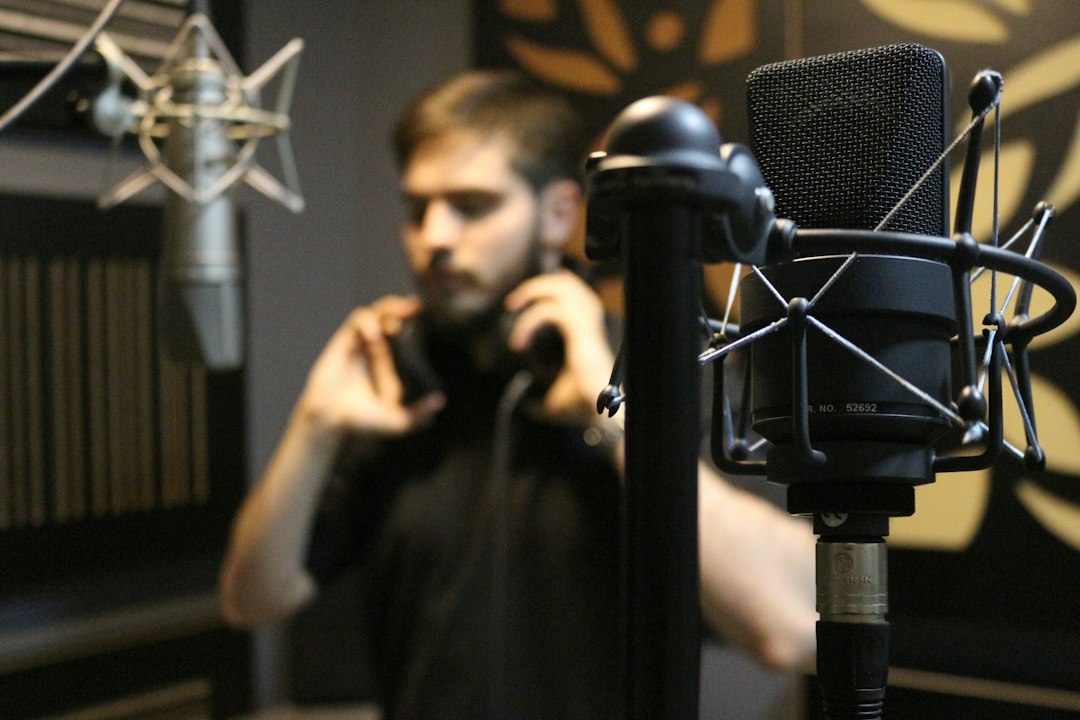
The single biggest tone move is where the virtual mic sits on the speaker. Treat it like a real cab. Start with a dynamic mic (the modelled SM57 in most plugins) placed near the cone edge, angled slightly toward the center. Dead center on the dust cap is the brightest and fizziest; the cone edge is rounder and thicker. Moving the mic just a couple of virtual centimetres changes the tone more than any EQ. For rhythm parts, cone edge gives you body without ice-pick highs; for cutting leads, nudge toward the center for presence.
- Off-axis (angling the mic) rolls off harsh top end naturally — reach for it before EQ.
- Distance / room adds depth but also phase smear; a little goes a long way on tight rhythm tracks.
- Blend two mics — a dynamic for the punch and a ribbon (like a modelled R-121) for smooth highs — then check the phase button, flipping it to whichever position sounds fuller.
EQ moves that make cab sims sit in a mix
Even a great cab sim benefits from small corrective EQ. These are the moves that tame the two things that make digital guitars sound fake — low-end mud and high-end fizz:
- High-pass rhythm guitars around 80–100 Hz to clear room for the bass and kick. On leads you can go a touch higher, around 100–120 Hz.
- Low-pass to kill fizz: roll off everything above roughly 10–12 kHz. Digital cab fizz lives up there and it is the number-one giveaway of an amateur tone.
- Tame harshness with a gentle 2–4 dB cut near 3–4 kHz if the tone is ice-picky; boost slightly there instead if a lead needs to cut.
- A small dip around 400–500 Hz cleans up boxiness on chuggy rhythm parts.
For width, record the part twice and hard-pan the two takes left and right — double-tracking with two separate performances (not a copy) is what creates a wide, professional wall of guitar. Try slightly different cab or mic settings on each side so the two halves interlock rather than smear.
Which one should you pick?
If you already own a modern amp sim, start with its cab section and a couple of good third-party IRs before buying anything — that combination covers 90% of home recordings. If you want a dedicated, hyper-realistic cab stage with true dual-mic room modelling, Two Notes Wall of Sound is the specialist. If your budget is zero, pair Ignite Amps NadIR with a free IR pack and spend your effort on mic placement. There is no single “best cab sim plugin” for everyone — the best one is the one whose captures suit your genre and whose mic controls you will actually use.
Want to go deeper on the whole signal chain? See our guides on recording electric guitar and mixing guitars, and browse the free browser utilities in our audio tools hub to check your levels and tuning before you commit a take.