The best DAW for hip hop is the one that lets you build beats quickly, chop samples comfortably, and record and mix vocals without fighting the software. For most hip-hop producers that points to FL Studio, Ableton Live or Logic Pro — but Studio One and Reaper are strong choices too. This guide explains what matters for hip-hop and which DAW suits which kind of producer.
Violet Recording is reader-supported — we may earn a commission from links on this page, at no extra cost to you.
Quick answer
- Best for fast beat-making and step sequencing: FL Studio.
- Best for sampling and live-feel workflows: Ableton Live.
- Best all-rounder on Mac with huge stock content: Logic Pro.
- Best value full DAW (cross-platform): Studio One or Reaper.
Any of these can make a finished, professional hip-hop record. The differences are about workflow, not whether a hit is possible.
Once your DAW is sorted, the right instruments matter too. See our pick of the best VST plugins for hip-hop.
What matters in a DAW for hip-hop
Before picking, weigh up the features that actually affect hip-hop production:
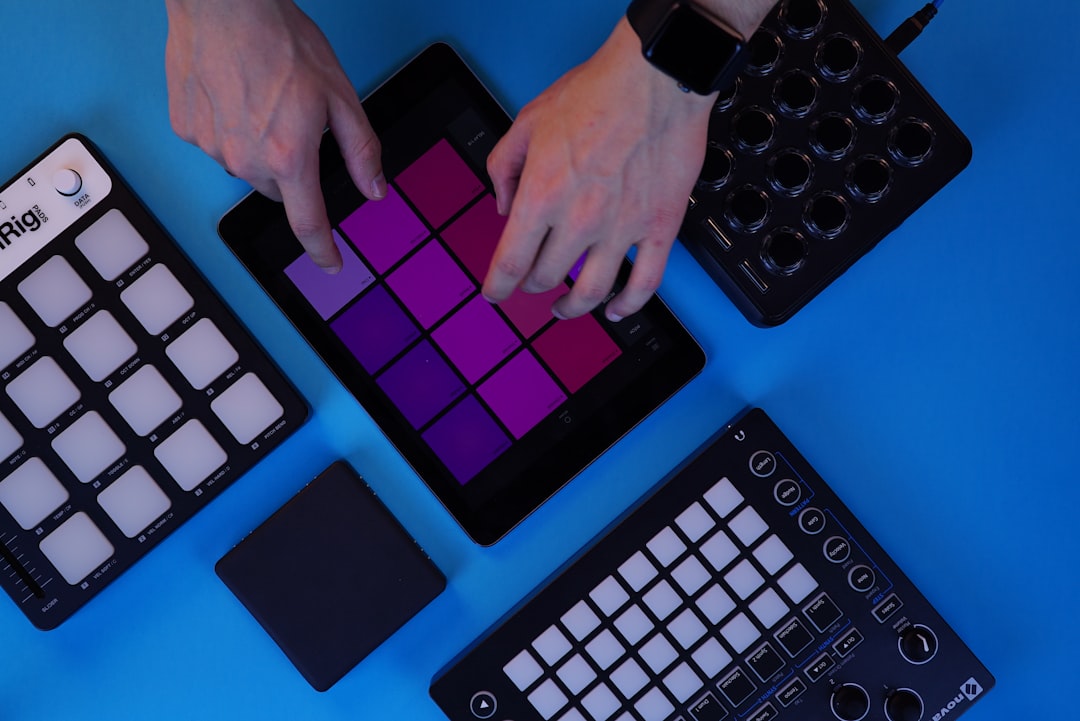
- Beat sequencing: A fast step sequencer or pad workflow for drums speeds up beat-making enormously.
- Sampling and chopping: Slicing a loop or vocal, repitching it, and laying it across pads or keys is core to the genre.
- Stock sounds: Good built-in drums, 808s and synths mean you can start with nothing extra.
- Vocal recording and comping: Tight take management and easy punch-ins matter once you track rappers and hooks.
- Mixing tools: Capable stock EQ, compression and saturation so your beats and vocals sit well together.
- Platform and budget: Mac vs Windows, one-time purchase vs subscription, and free-trial availability.
If you’re still assembling your setup, the home studio setup hub and the best free DAWs for beginners roundup are good companions to this guide.
FL Studio — the beat-maker’s favourite
FL Studio is the DAW most associated with hip-hop and trap, and for good reason. Its Step Sequencer and Channel Rack make programming drums and hi-hat rolls extremely fast, and the piano roll is widely considered the best in the business for melodies and 808 lines. The pattern-based workflow suits loop-driven production, and the bundled plugins — including the FLEX synth, Sytrus and a strong sampler — cover a lot of ground.
FL Studio runs on Windows and macOS, is a one-time purchase, and famously includes free lifetime updates. The pattern/playlist concept feels different from traditional linear DAWs, so there’s a short adjustment period, but for pure beat-making speed it’s hard to beat.
Best for: producers who lead with beats and melodies and want the quickest path from idea to loop.
Ableton Live — sampling and flow
Ableton Live is a favourite among producers who lean on sampling and want a fluid, experimental workflow. Its Session View lets you trigger and arrange ideas non-linearly, and Simpler and Sampler make chopping a soul loop or vocal into playable slices quick and musical. Warping makes time-stretching and tempo-matching samples painless.
Live runs on Windows and macOS, comes in tiered editions, and is widely used on stage as well as in the studio. The drum racks and built-in effects are excellent for hip-hop, and its integration with Push hardware appeals to finger-drummers.
Best for: sample-based producers and anyone who likes building tracks by jamming with loops before committing to an arrangement.
Logic Pro — the Mac all-rounder
If you’re on a Mac, Logic Pro offers enormous value: a deep library of drum kits, 808s, synths and loops, plus pro-grade mixing tools, all for a one-time price. The Drummer feature and Drum Machine Designer are great for sketching beats, Quick Sampler makes chopping samples easy, and the Sampler/Alchemy combo covers serious sound design. Logic also records and comps vocals beautifully.
Logic is macOS-only and shares its engine with GarageBand, so it’s an easy upgrade if you started there. For a step-by-step start, see our Logic Pro for beginners guide.
Best for: Mac producers who want one tool that does beats, recording and mixing without buying add-ons.
Studio One and Reaper — value picks
Studio One has a clean drag-and-drop workflow, solid stock instruments and effects, and excellent comping for vocals, available across Windows and macOS with both subscription and perpetual-licence options. Its Impact drum sampler and Sample One handle beats and chopping well.
Reaper is the budget hero: lightweight, cross-platform, endlessly customisable, with a cheap licence and a capable effects suite. It doesn’t ship with as many ready-made hip-hop sounds, so you’ll add free or third-party instruments, but it records and mixes superbly. New to it? Read Reaper for beginners.
Best for: producers who want a full professional DAW on a tight budget or who value a clean, fast workflow.
Does the DAW actually matter for your sound?
It’s worth being honest about this: no DAW will make your beats sound professional on its own, and almost any of the options here can produce a chart-quality record. The differences that genuinely affect hip-hop are workflow speed, how the samplers and step sequencers feel, and how comfortable vocal tracking and comping are. Once a track leaves the DAW, the master sounds the same regardless of which program built it.
So treat this less as a hunt for the “best-sounding” DAW and more as a search for the one that gets out of your way. The DAW you finish songs in beats the one with the longest feature list every time. Producers who hop between programs chasing a magic workflow usually finish fewer tracks than those who commit to one and learn it deeply.
Plugins, sounds and the wider ecosystem
Whichever DAW you choose, your sound will lean heavily on samples, drum kits and synth presets. All of these DAWs accept third-party plugins (VST, AU or AAX depending on the host), so you’re never locked out of the huge world of free and paid instruments and effects. That means you can start with the stock content and expand later without switching DAWs.
For hip-hop specifically, the most valuable additions tend to be a good sampler workflow, quality drum and 808 libraries, and a flexible synth for melodic parts. FL Studio and Logic ship with the most ready-to-use hip-hop content out of the box; Ableton’s strength is its sampling and effects; Reaper and Studio One rely a little more on you bringing your own sounds. Plan your budget for samples and a few key plugins rather than assuming the DAW alone covers everything.
How to choose the right one for you
- You mainly make beats and melodies: FL Studio.
- You sample heavily and like to jam: Ableton Live.
- You’re on a Mac and want everything in one box: Logic Pro.
- You want pro features for less money: Studio One or Reaper.
Most of these offer free trials or free tiers, so the smartest move is to try two or three with a project you actually care about. The workflow that feels natural to you will produce better tracks than the one that simply has more features. Once your beats are coming together, our guide to mixing vocals and EQ and compression fundamentals will help your songs compete sonically.
Frequently asked questions
What DAW do most professional hip-hop producers use?
FL Studio is the most widely used in modern hip-hop and trap, but plenty of top producers work in Ableton Live, Logic Pro or Pro Tools. There’s no single industry standard — workflow preference drives the choice.
Is FL Studio better than Ableton for hip-hop?
For programming beats and melodies, many producers find FL Studio faster thanks to its step sequencer and piano roll. For sampling and live, loop-based creation, Ableton Live often feels more fluid. Both make finished hip-hop tracks.
Can I make hip-hop beats on a free DAW?
Yes. Free or trial DAWs such as GarageBand, the free version of FL Studio’s trial, Cakewalk or Reaper’s evaluation can produce complete beats. You can always upgrade once you know which workflow suits you.