
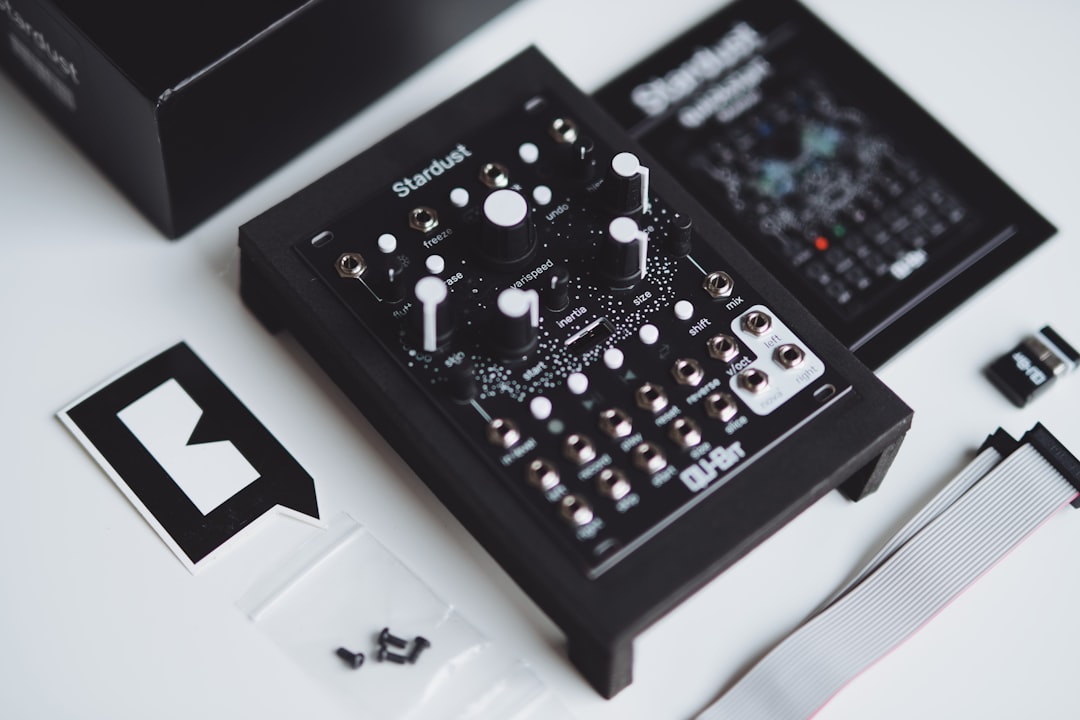
The best free drum kits come from a handful of reliable places: free packs from sample platforms like Splice, curated “starter” bundles from plugin makers, label and artist freebies, and the deep archives shared on producer forums. You do not need a paid subscription to build a strong drum palette — you need to know where to look and how to tell a genuinely useful kit from padding.
This guide walks through the categories of sources worth your time, what actually makes a drum kit good, and how to load, layer and licence what you download so your tracks sound tight and stay clean.
Violet Recording is reader-supported — we may earn a commission from links on this page, at no extra cost to you.
The quick answer: where to get free drum kits
- Free packs from sample platforms — services like Splice regularly give away free sample packs and one-shots you can keep.
- Plugin and DAW freebies — many synth and drum-machine makers bundle free kits to get you into their ecosystem.
- Label, artist and producer giveaways — a huge amount of quality material is handed out for promo.
- Producer forums and communities — long-running threads and Discords share curated one-shots and loops.
- Free-tier sound libraries — Cymatics-style free packs and similar sites release genre-focused bundles regularly.
Below, we break down each source, what to grab first, and how to avoid the two traps every beginner hits: hoarding gigabytes you never use, and ignoring the licence.
What makes a good free drum kit (not just a big one)
File count is the worst way to judge a kit. A “2,000-sample” pack is often 1,900 near-identical hi-hats and a handful of usable kicks. What you actually want is a tight core you can build tracks around.
Look for these signals of quality:
- Clean, punchy one-shots. Kicks with weight and a clear transient, snares with body, hats that cut without being harsh. One great kick beats fifty mediocre ones.
- Proper naming and folder structure. Files sorted into Kicks, Snares, Claps, Hats, Percussion and 808s save you hours. Sloppy naming is a red flag for a lazy pack.
- Consistent level and tuning. Good packs are roughly gain-matched and often key-labelled on tonal hits like 808s and toms.
- Dry, unprocessed samples. Heavily reverbed or over-compressed one-shots are hard to fit in a mix. You want raw material you can shape.
- A clear licence. A reputable free kit tells you exactly what you can do with it. Silence on licensing is itself a warning.
Grab a small kit, actually finish a beat with it, and you will learn more about what you need than downloading twenty packs ever will.
Free packs from sample platforms like Splice
Sample subscription platforms are the most reliable modern source of free drum material. Splice, for example, regularly releases free sample packs and gives new users a batch of credits, so you can pull down kicks, snares, hats and full loops without paying. These samples are curated, cleanly recorded and organised — a big step up from random zip files.
Start with the free offerings, build a few tracks, and you will quickly learn whether the deeper, paid library is worth it for your genre. If you find yourself hunting for one specific sound and burning hours, that is exactly when a subscription earns its keep. When you are ready for pro-quality, genre-spanning drums on tap, a subscription service like Splice is the standard choice.
Prefer to make something nobody else has? If you want an original track built from scratch rather than shared samples, Solmi can generate original music you can use as a starting point — worth a look at https://solmi.ai/.
Plugin, DAW and drum-machine freebies
Plenty of software companies give away drum kits as a way to introduce you to their instruments. Free drum plugins and sampler instruments often ship with usable factory kits, and many synth makers bundle a “starter” pack of one-shots. Free DAWs also come loaded with stock drums that are better than most beginners assume.
Two advantages here: the samples are already mapped and playable, and the licence is usually spelled out clearly in the installer. If you are still assembling your software toolkit, our roundups of the best free drum VSTs and the best free DAWs for beginners point you to instruments that come with strong stock kits out of the box. Pair those with a good synth from our free synth VST guide and you have a full production starter kit for nothing.
Label, artist and community giveaways
A surprising amount of high-quality drum material is given away for promotion. Labels release free sample packs to build a mailing list, established producers share the kits behind their sound, and sound-design sites push out free genre bundles on a regular schedule. Cymatics-style free packs are a well-known example — genre-focused bundles you can download in exchange for an email.
Producer forums and Discord communities are the other goldmine. Long-running threads collect curated one-shots, and members trade the packs that actually work. The trade-off is quality control: community uploads range from pristine to unusable, and licensing is often vague. Treat these as a place to dig, not a place to trust blindly — audition everything, and keep a “reject” folder for anything muddy or badly recorded.
How to load, layer and get the most from a free kit
Downloading is the easy part. Getting a kit to sit in your track is where the work is.
- Load one-shots into a sampler or drum rack. Every DAW has one. Map kick, snare, hats and percussion across pads so you can play and program quickly.
- Layer for weight. A thin kick plus a sub layer, or two snares stacked (one for body, one for the crack), turns average samples into a signature sound.
- Tune your drums to the track. Pitch 808s and toms to your song’s key. This single habit fixes more “amateur” beats than any plugin.
- Process lightly. A touch of EQ to carve space, transient shaping for punch, and gentle compression to glue. Because good free one-shots are dry, they take processing well.
- Build your own “greatest hits” kit. As you find sounds you love across many packs, copy them into one personal folder. That curated kit becomes faster to work with than any download.
If you ever want to pull clean drum hits out of a finished song for study or reference, our free stem splitter tool can isolate the drum track. And when you are ready to shape those sounds, the same mixing habits from our EQ and compression fundamentals guide apply directly to drums.
“Free” still has a licence — read it
This is the part beginners skip and regret. “Free to download” is not the same as “free to use however you want.” Every pack carries a licence, and they vary widely. Some free kits are fully royalty-free for commercial releases. Others are free for personal or non-commercial use only, restrict resale, or forbid using samples in music you upload to streaming platforms or content ID systems.
Before you build a release around any sample, check that pack’s terms — usually a text file in the download or a page on the source site. If a kit does not state its licence at all, do not assume it is safe for commercial use; treat unlicensed material as off-limits for anything you plan to sell or monetise. A minute of reading protects you from a takedown or a copyright claim months later.
Explore more free production tools
Drums are one piece of the puzzle. For the rest of your palette, browse the Sound Design hub, and if you are building a from-nothing setup, our guides to free synths for sound design and the best sampling apps round out a genuinely capable free studio. Producers chasing full arrangements fast should also see our overview of the best AI song generators.
Frequently asked questions
Are free drum kits good enough for professional releases?
Yes — plenty of released tracks use free and stock drums. Quality comes from selection, layering, tuning and mixing, not from how much you paid. A well-chosen free kick, layered and tuned, will out-perform an expensive sample used carelessly. The catch is licensing: confirm the pack allows commercial use before you release.
Can I use free drum kits in songs I sell or put on Spotify?
Often, but not always — it depends entirely on the licence. Many free packs are royalty-free and fine for commercial streaming, while others restrict use to personal or non-commercial projects. Always check the specific pack’s terms before you distribute or monetise a track built on it.
Where should a beginner start looking for free drum kits?
Start with the stock drums in your DAW and free packs from a platform like Splice — both are clean, organised and clearly licensed. From there, add a free drum VST for playable factory kits, then explore label giveaways and forum threads once you know what sounds you are missing. Build one personal folder of your favourites rather than hoarding dozens of packs.



