Learning an instrument starts with three choices: which instrument suits you, how you’ll be taught, and how you’ll practice and record your progress. This guide is for beginners of any age choosing between piano, guitar, drums, voice, strings or wind and brass, and it carries on past the first lessons to recording yourself at home.
The instrument matters less than people fear. Adults learn well, kids learn well, and almost everyone who sticks with it shares the same habits: short daily practice, a clear plan, and a way to hear themselves honestly. The sections below follow that path from first decision to first recording.
Picking the right instrument
Choose the instrument whose music you actually want to play. Motivation carries you through the awkward first months far better than any argument about which instrument is “easiest.” That said, some practical factors are worth weighing:
- Noise. Drums, trumpet and saxophone are loud. Digital pianos and electronic drum kits have headphone outputs, which matters in apartments.
- Space and portability. A ukulele, flute or harmonica goes anywhere; a cello or acoustic drum kit needs a room.
- Theory payoff. Piano lays notes out in a straight line, which makes harmony easier to see and helps with every other instrument later.
- Playing with others. Bass and drums are always in demand in bands; violin and wind instruments open the door to orchestras and ensembles.
Still undecided? Our guides on how long piano takes to learn and how long guitar takes set realistic expectations. Guitarists and bassists will find a dedicated path in our guitar and bass guide.
Your first instrument and the gear around it
For keyboard players, the biggest decision is the feel of the keys. Our comparison of a digital piano vs a keyboard explains why weighted keys matter if you plan to play classical or move to an acoustic piano later. Start with our shortlist of digital pianos for beginners, or browse beginner keyboard pianos if portability and budget come first.
Drummers face a similar fork. Electronic drum sets for beginners are quiet and practice-friendly, while acoustic beginner kits teach dynamics and touch that pads only approximate. A practice pad is worth owning either way.
For strings and wind, rent or buy a student instrument from a reputable maker, because a poorly made violin or flute is genuinely harder to play. Our guides to beginner violins, beginner saxophones and beginner trumpets explain what separates a playable student model from a frustrating one. Rule of thumb: buy the simplest instrument that is well set up, not the fanciest one you can afford.
Lessons, apps and teaching yourself
There’s no single right way to learn, but structure beats randomness. A teacher spots bad habits early, especially posture, grip and breathing, which are hard to see in yourself. Our beginner pages on piano lessons for adults, drum lessons and singing lessons compare in-person and online routes, and parents can read when and how to start kids on piano.
Apps work best as a daily practice partner rather than a full replacement for a teacher. They’re good at note reading, rhythm and keeping you consistent; they’re weaker at technique and musical expression. Our reviews of Simply Piano, Yousician and Pianote explain who each suits. If you prefer a book, our list of piano books for beginners covers method books that still work well.
How to practice so it sticks
Short, focused sessions beat long, distracted ones. Twenty minutes a day will move you further than a two-hour session once a week, because skills consolidate between practice sessions. A simple structure works for nearly any instrument:
- Warm up with scales or long tones for a few minutes.
- Work slowly on the hardest bar of your current piece.
- Play something you already enjoy, so practice ends on a high.
Practice with a beat. Our free online metronome lets you start slow and raise the tempo only when a passage is clean. String and wind players should keep the tuner open too, because playing out of tune trains your ear in the wrong direction. Pianists can begin with piano scales for beginners and use our scale and chord finder to see how each scale and chord is built. When you want to understand why those shapes work, our music theory guide is the natural next step.
Recording yourself as you improve
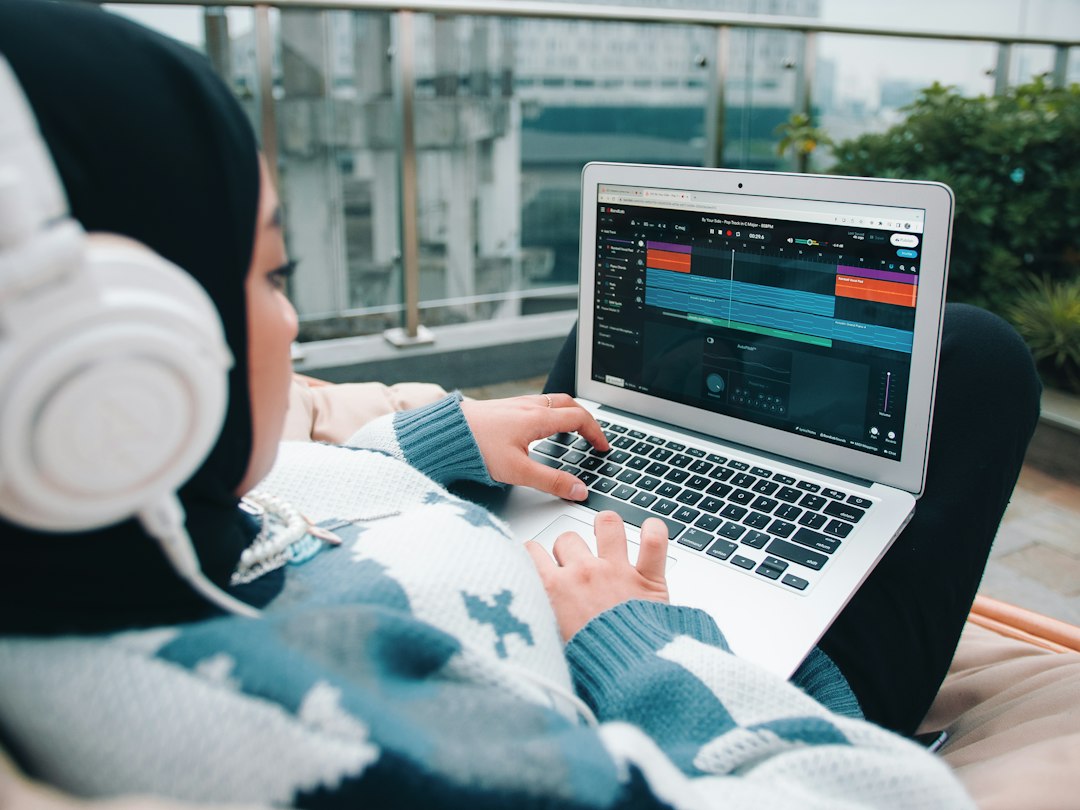
Recording is the most honest teacher you’ll ever have. Timing slips and tuning drift that you miss while playing become obvious on playback, and hearing progress over months is a huge motivator. A phone is enough to start; an audio interface and a decent microphone come later.
Each instrument has its own quirks. Our guides to recording piano and keys, recording violin and recording saxophone cover mic placement and room choices, and singers can follow how to record yourself singing. A general rule: put the mic where the instrument sounds best to a listener, not right against the sound source, and record in the least echoey room you have.
Explore the Learning an Instrument guide
Start here
- What Is Amapiano?
- Bass Guitar Lessons for Beginners
- Piano Scales for Beginners: Where to Start
- Drum Lessons for Beginners: Online and In-Person
- Singing Lessons for Beginners and Adults
- Are Music Production Lessons Worth It?
How-to guides
- How to Record Cello
- How to Record Violin
- How to Record Flute
- How to Record Ukulele
- How to Record Yourself Singing
- How to Make Amapiano Beats
- How to Record Piano and Keys
- How to Record Trumpet
Gear picks
- The Best Free Amapiano Samples
- Best Keyboard Stands for the Studio
- The Best Free Piano Samples
- The Best Free Saxophone Samples
- Best Blues Harmonicas
- Best Violin Shoulder Rests
Comparisons & reviews
- Pianote Review: Who Is It For?
- Yousician Review: Is It Good for Beginners?
- Simply Piano Review: Is It Worth It?
- Digital Piano vs Keyboard: Which Should You Buy?
- Online vs In-Person Music Production Lessons
Free tools
Frequently asked questions
What is the easiest instrument to learn as an adult?
Ukulele, keyboard and hand percussion tend to give the fastest early results, because you can play recognizable songs within weeks. “Easiest” matters less than interest, though. Adults who choose the instrument behind the music they love practice more often, and regular practice is what actually makes an instrument feel easy over time.
Can I learn an instrument with an app alone?
You can make real progress with an app, especially on note reading, rhythm and consistency. The gap is technique: apps can’t reliably see posture, hand position or breathing, so bad habits may creep in. Many learners combine an app for daily practice with occasional lessons from a teacher to check technique.
How much should I practice each day as a beginner?
Fifteen to thirty minutes of focused practice most days is a strong start. Consistency beats volume, so a short daily session works better than one long weekend session. Use a metronome, spend most of the time on the passages you find hardest, and stop before fatigue makes your playing sloppy or tense.
Should I buy a digital piano or a keyboard first?
If you want to learn piano properly, a digital piano with full-size weighted keys builds the finger strength and control that transfers to an acoustic piano. A lighter keyboard is cheaper and portable, and it’s fine for chords, songwriting and music production. Choose based on the style of playing you’re aiming for.
How do I stay motivated when progress on an instrument stalls?
Plateaus are a normal part of learning an instrument and often come just before a new skill clicks. Changing the material, setting a small concrete goal such as one new song, and recording a session to compare with earlier recordings all help. Playing with other people or taking a lesson can also reset motivation quickly.
Can a beginner learn two instruments at the same time?
Learning two instruments at once is possible, especially when one supports the other, such as piano alongside singing or guitar. The trade-off is slower progress on each because practice time is split. Many teachers suggest building basics on one instrument first, then adding a second once daily practice is a settled habit.
Should beginners learn to read music or play by ear?
Both skills matter, and the right balance depends on the music. Reading notation is essential for orchestras, classical piano and many school ensembles, while playing by ear suits pop, folk and band settings. Learning basic reading early while also copying songs by ear builds a well-rounded musician.
How do I avoid pain or injury while practicing an instrument?
Avoid practice injuries by warming up, keeping posture relaxed, taking short breaks and stopping when anything hurts rather than pushing through. Tension in the shoulders, wrists or jaw often comes from a poorly fitted instrument or technique, which a teacher can correct. Persistent pain, numbness or tingling should be checked by a doctor or physiotherapist.
Is a secondhand instrument a good idea for a beginner?
A used instrument can be excellent value for a beginner, especially from a reputable maker, but condition matters more than price. Strings, brass and wind instruments can hide problems with setup, pads or valves. Having a teacher or technician check a used instrument before buying avoids paying for something that is hard to play.