
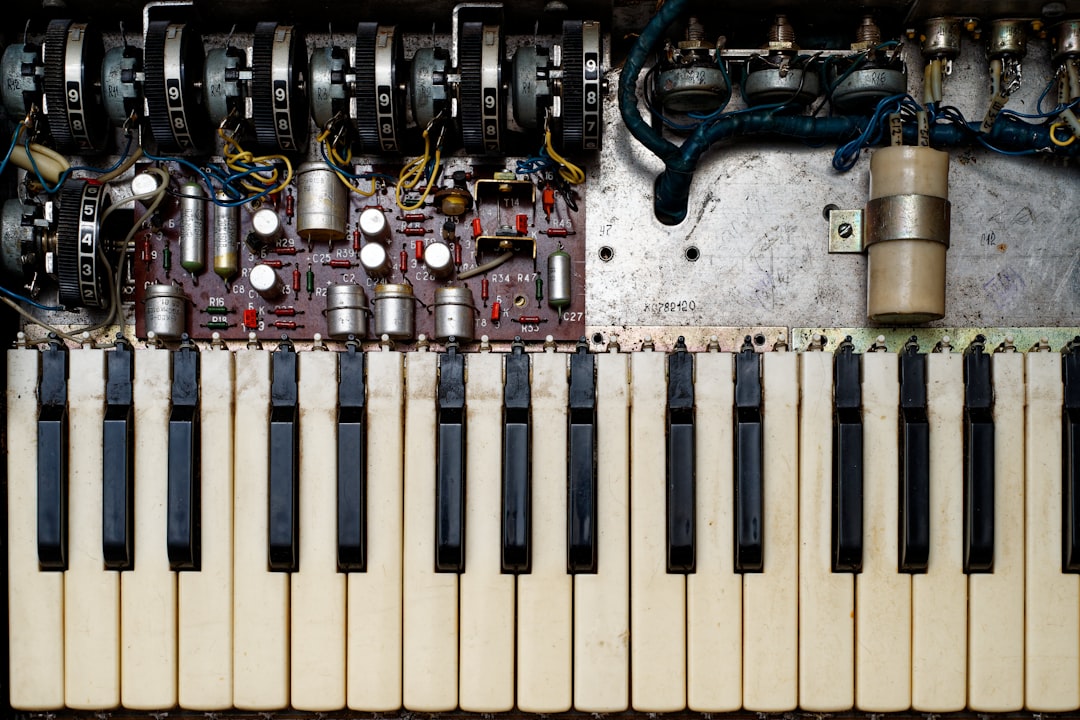
Looking for the best free techno samples? Start with reputable pack sources — label freebies, established free-pack libraries, and the free tier of subscription platforms — then judge each pack on how clean the kicks are, how usable the loops sound out of context, and whether the licence actually lets you release. This guide shows you where to look and what separates a genuinely useful free pack from filler.
Violet Recording is reader-supported — we may earn a commission from links on this page, at no extra cost to you.
The short answer: where to find free techno samples worth using
You do not need to spend a cent to build a working techno palette. Between free packs from established libraries, label giveaways, producer forums and the no-cost tiers of the big sample platforms, there is more high-quality material floating around than most producers will ever get through. The trick is not finding free samples — it is filtering them. Techno lives and dies on the low end and the groove, so a pack is only worth downloading if the kicks punch, the percussion sits tight, and the licence is clear enough that you can put a track out without worrying.
Quick list of where to start:
- Free-pack libraries — long-running sites that give away curated packs (think Cymatics-style drops and similar).
- Label and artist freebies — techno labels and individual producers often release sample kits to promote a record or a course.
- Free tiers of subscription platforms — Splice and similar services seed free content and starter credits.
- Producer forums and communities — Reddit’s production subs, KVR, and Discord servers share user-made and vetted free packs.
- DAW stock content — the factory libraries in Ableton, Bitwig, FL Studio and others already contain techno-ready material most people ignore.
What makes free techno samples actually good
Free does not have to mean low quality, but a lot of free material is either poorly recorded, badly named, or so heavily processed that it only works in the exact context it was bounced in. When you audition a pack, listen for a few specific things.
Kicks that stand alone. Techno is built on the kick. A good free kick sample is tuned, tight, and has a clean transient with controlled sub. If you have to fight a muddy tail or a lopsided low end every time you drop it in, it is costing you more time than it saves. Solo the kick, loop it, and check it on something that reproduces bass honestly.
Loops you can chop, not just drop. A four-bar percussion loop is handy, but the most reusable free samples are the ones you can slice, rearrange and layer. One-shots and stems give you far more mileage than a finished loop that boxes you into someone else’s groove and key.
Clean, consistent naming and formatting. This sounds trivial until you are 40 files deep. Packs labelled by type, tempo and key save real time. WAV at 24-bit is the standard you want; skip anything that is only offered as low-bitrate MP3 if you can help it, because it will not survive heavy processing.
Character, not just competence. There is a lot of clean-but-generic material out there. The packs worth keeping usually carry a bit of grit, analogue noise, or an unusual texture that gives your track identity. Modular blips, field-recorded clanks, tape hiss and hardware drum machine hits age far better than sterile digital one-shots.
Free sources to bookmark for techno
Rather than chase invented pack names, get familiar with the types of source that consistently deliver, and dig through them regularly — good free drops rotate.
Curated free-pack libraries. Several long-running sites specialise in giving away themed packs — drum kits, loop collections, sample chains. Cymatics-style libraries are the obvious example, and they regularly cover techno, house and the harder electronic end. Sign up, grab what is current, and archive the packs that fit your sound.
Splice’s free content. Splice is best known as a paid sample subscription, but it seeds free packs and often hands new users starter credits, which is a low-risk way to sample the catalogue. It is genuinely one of the deepest techno collections anywhere, and even the free entry points are worth a look before you decide whether the paid tier earns its place in your workflow.
Label and producer giveaways. Techno labels and working producers frequently release free kits — sometimes to promote a release, sometimes bundled with a tutorial. Follow the labels whose sound you like on Bandcamp, Instagram and their mailing lists. These freebies tend to carry real character because they come straight from records you already rate.
Community-shared packs. Forums like KVR, the r/edmproduction and r/WeAreTheMusicMakers subreddits, and genre Discords maintain running lists of free resources. The signal-to-noise is higher than random Google results because other producers have already filtered them.
Your DAW’s stock library. Do not overlook what you already own. Ableton’s core packs, Bitwig, and FL Studio all ship with drum hits, synth stabs and loops that are perfectly at home in a techno track once you process them. Free, licensed, and already installed.
Building a techno track from free samples
Once you have gathered raw material, the work is in shaping it. Layer two or three kick one-shots to build a single hybrid kick with the transient of one and the sub of another. Run percussion loops through a bit of drive and a high-pass filter to carve space for the low end. Resample your own chopped loops back into new one-shots so the pack stops sounding like the pack.
Free synth and texture samples are great for atmosphere, but if you want to generate original melodic and pad material rather than rely on someone else’s loops, tools help. Our roundups of the best free synth VSTs and best free synths for sound design are a good starting point, and a free drum VST lets you sequence your gathered one-shots into patterns you fully control. For pulling clean drum or vocal parts out of a reference track to study or rework, our free stem splitter does the heavy lifting in the browser.
If you would rather sketch a whole original idea to build on — a full arrangement you then chop and rework — you can generate one with Solmi and treat it as raw source material for your own edit.
When free techno samples are not enough
Free libraries will take you a long way, but there is a ceiling. If you find yourself spending more time hunting and cleaning up free packs than actually making music, or you keep hitting the same limited pool of sounds, a paid subscription starts to pay for itself. A service like Splice gives you a huge, well-tagged, constantly updated techno catalogue — kicks, loops, stems and one-shots — with a search that actually finds what you need, plus clear licensing baked in so you are not second-guessing every release.
It is not an either/or. Most working producers keep a folder of trusted free packs and a subscription, using the free material for texture and the paid catalogue when they need a specific sound fast. Start free, and upgrade only when the maths makes sense for how much you are producing.
A word on licensing: “free” still has a licence
This matters more than the sounds themselves. “Free” means free to download — it does not automatically mean free to release commercially. Every pack ships with a licence, and they vary. Some are fully royalty-free for commercial use, some are personal or non-commercial only, and some require credit or forbid redistribution. A few “free” downloads are really demos of a paid product with strings attached.
Before you put out a track built on any free pack, read the licence that came with it and confirm it covers commercial release. If a pack does not state its terms clearly, treat that as a red flag and either contact the source or leave it out of anything you plan to monetise. Sampling records or someone else’s tracks without clearance is a separate, bigger risk — that is copyright, not a sample licence, and it can get a release pulled. When in doubt, check the terms; it takes two minutes and saves you a takedown.
Frequently asked questions
Are free techno samples royalty-free?
Some are, some are not — it depends entirely on the pack. Many curated free packs and DAW stock libraries are royalty-free for commercial use, but plenty of free downloads carry restrictions like credit requirements or non-commercial-only terms. Always read the specific licence that ships with the pack before you release, rather than assuming “free” means “clear”.
Is Splice worth it if I can get samples for free?
If you produce occasionally and free packs cover your needs, you may never need to pay. Splice earns its keep once you are producing regularly and value the depth, search and clear licensing — it saves the hours you would otherwise spend hunting and vetting free material. A common approach is to keep both: free packs for texture, a subscription for when you need a specific sound quickly.
What format should free samples be in?
Aim for 24-bit WAV. It is the standard for a reason — it holds up to heavy processing, pitching and time-stretching far better than a compressed MP3. If a pack is only offered as low-bitrate MP3, it can still be usable for background texture, but avoid relying on it for exposed elements like a lead or a solo’d kick.
For more on building sounds from scratch and getting the most from your samples, browse the Sound Design hub.



