The best microphone for field recording depends on what you are capturing outdoors. For dialogue and isolating a subject, a shotgun mic wins. For immersive ambience and nature, a stereo pair or a single-point stereo mic is better. For interviews and run-and-gun work, a lavalier or a self-contained recorder with built-in capsules is hard to beat. Here are our picks at a glance.
| Pick | Best for |
|---|---|
| Sennheiser MKH 416 | Film and broadcast dialogue |
| Rode NTG5 | Lightweight boom work |
| Rode NT4 | Stereo ambience capture |
| Sennheiser MKE 440 | On-camera atmospheres |
| Rode Wireless GO II | Wireless run-and-gun interviews |
| DPA 4060 | Natural-sounding lavalier |
| Zoom H5/H6 | All-in-one field recorder |
How to choose a microphone for field recording
Field recording is harder than studio work because you cannot control the environment. Choose based on these factors:
- Source and distance — tight dialogue and distant wildlife need a directional (shotgun) mic; ambience and atmospheres need a wider stereo capture.
- Polar pattern — directionality determines how much of the surroundings you reject. Brush up with our guide to microphone polar patterns.
- Power and recorder — many field mics need phantom power or plug-in power; see what is phantom power. A portable recorder supplies this and stores the audio.
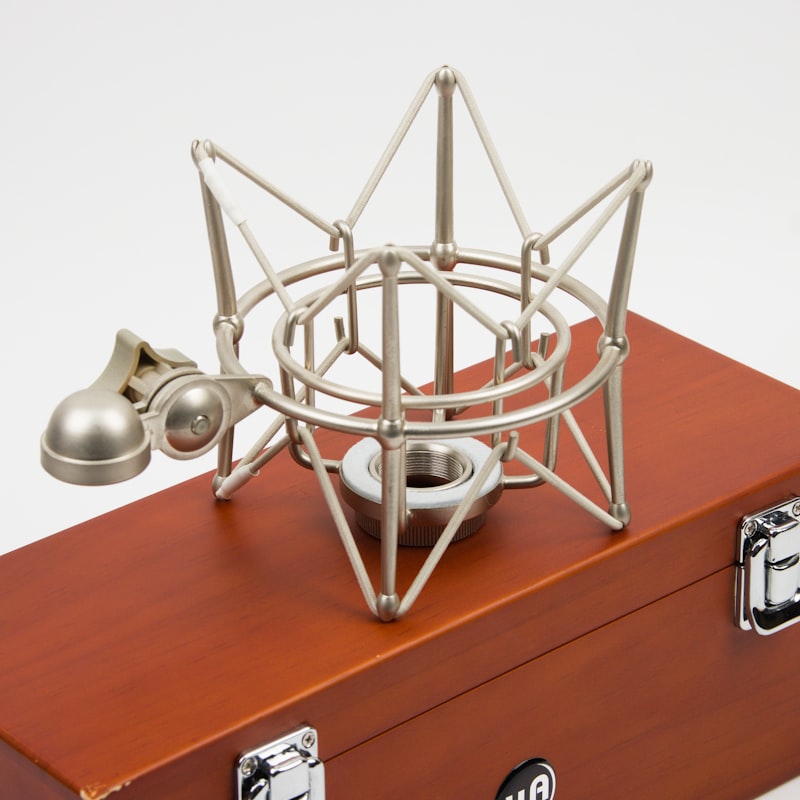
- Wind and handling — outdoors, a windscreen or a furry “dead cat” and a shock mount are not optional.
- Self-noise — quiet ambiences expose hiss, so low self-noise matters more than in the studio.
Shotgun mics for dialogue and isolation
Shotgun mics use a long interference tube to reject sound from the sides, letting you point at a subject and exclude the surroundings. They are the standard for film dialogue and focused sound effects. If you want a deeper shortlist of models, see our roundup of the best shotgun microphones.
- Rode NTG series (NTG4+, NTG5) — popular, lightweight shotguns with good rejection and built-in battery options on some models.
- Sennheiser MKH 416 — the broadcast and film industry reference shotgun, prized for its reach and resistance to humidity.
- Deity S-Mic 2 — a well-regarded shotgun aimed at independent filmmakers.
Stereo and ambience mics for nature and atmospheres
To capture a believable sense of space — forests, cities, rooms — you need stereo. A matched small-diaphragm pair or a dedicated stereo mic gives width and depth.
- Rode NT4 — a fixed X/Y stereo condenser in a single body, simple and reliable for ambience.
- Sennheiser MKE 440 — a compact stereo shotgun designed to mount on cameras for atmospheres and events.
- Matched small-diaphragm pairs (e.g. Rode NT5, Line Audio CM4) — flexible for X/Y, ORTF or spaced setups when you want control over the stereo image.
Lavaliers and recorders for interviews and run-and-gun
For mobile interviews and content creation, you want something fast and unobtrusive. Small lavaliers clip to clothing, and modern wireless systems include them. Our pick of the best lavalier microphones covers the options in detail.
- Rode Wireless GO II / Wireless ME — compact wireless transmitters with built-in mics and onboard recording as backup.
- DPA 4060 — a professional miniature lavalier known for natural sound when budget allows.
- Zoom H5/H6 or Tascam Portacapture — portable recorders with quality built-in capsules and XLR inputs, so the recorder itself is often the easiest “field mic.”
Matching the mic to the job
Field recording covers very different tasks, and the ideal mic changes with each:
- Film and video dialogue — a shotgun on a boom, with a lavalier as backup, is the standard. The shotgun isolates the speaker; the lav guarantees usable audio if the boom drifts.
- Wildlife and distant sources — a long shotgun or a parabolic setup reaches further and rejects surroundings; low self-noise is critical for quiet, far-off sounds.
- Nature soundscapes and ambience — a stereo pair or single-point stereo mic captures the width and depth that make a recording feel immersive.
- Foley and sound effects — a versatile cardioid condenser close to the source captures detail; a contact mic adds unusual textures.
- Interviews and journalism — a handheld dynamic or a wireless lav into a portable recorder is fast, robust and forgiving in wind. For dedicated picks, see the best microphones for interviews.
Specs that matter outdoors
A few specifications matter more in the field than in a studio:
- Self-noise — quiet ambiences expose hiss, so a low self-noise figure (in dBA) is worth paying for when capturing nature or distant sound.
- Maximum SPL — for loud events, gigs and engines, a high max SPL or a built-in pad prevents distortion.
- Power draw — phantom power drains recorder batteries fast; some shotguns run on an internal AA, which extends field time.
- Weight and balance — a heavy mic on a long boom becomes tiring; lighter shotguns are easier on the arm during long takes.
- Weather sealing — humidity and temperature swings affect condensers; some mics (like the MKH series) are specifically built to resist moisture.
The accessories that make or break a field recording
Outdoors, wind is the enemy. A foam windscreen handles light breeze; a furry windjammer is essential in real wind. A shock mount or pistol grip stops handling noise — read what a shock mount does. Carry spare batteries, fast storage cards, and headphones so you can monitor in the field. Many field condensers are small-diaphragm designs; see why in large vs small-diaphragm condensers. For more on capturing clean takes anywhere, browse our microphones guides.
Frequently asked questions
Do I need a shotgun mic for field recording?
Only if you are isolating a specific subject like dialogue or distant wildlife. For ambience, atmospheres and nature soundscapes, a stereo mic or matched pair captures space far better than a single shotgun.
Can I use a portable recorder’s built-in mics instead of buying a separate mic?
Yes. Recorders like the Zoom H-series and Tascam Portacapture have good built-in capsules that are perfectly usable for ambience and interviews, and they let you add XLR mics later as you grow.
How do I stop wind noise when recording outside?
Use a windscreen sized for your mic — foam for light conditions and a furry windjammer for real wind. Also enable a low-cut/high-pass filter to roll off the low-frequency rumble that wind produces.
What is the best field recording microphone overall?
There is no single winner because field recording covers such different jobs. For dialogue and isolating a subject, we pick a shotgun like the Sennheiser MKH 416 or Rode NTG5. For nature and ambience, a stereo mic like the Rode NT4 wins. If you want one purchase that does a bit of everything, a portable recorder such as the Zoom H5/H6 or Tascam Portacapture is the most versatile starting point.
What is a field microphone?
A field microphone is any mic used outside a controlled studio, where you cannot manage noise, wind or weather. In practice that means directional shotguns for isolating subjects, stereo condensers for ambience, and lavaliers for interviews. What sets field mics apart is low self-noise, resistance to humidity, portable power options, and compatibility with wind protection and shock mounts.
Which microphone is best for outdoor recording?
Match the mic to the source. A shotgun mic is best when you need to point at one subject outdoors, such as dialogue or wildlife. A stereo mic or matched pair is best for capturing the whole environment. Whichever you choose, a furry windjammer and a shock mount matter as much as the microphone itself, because wind and handling noise ruin more outdoor recordings than mic quality does.
Shop related gear
A directional mic for field recording: