
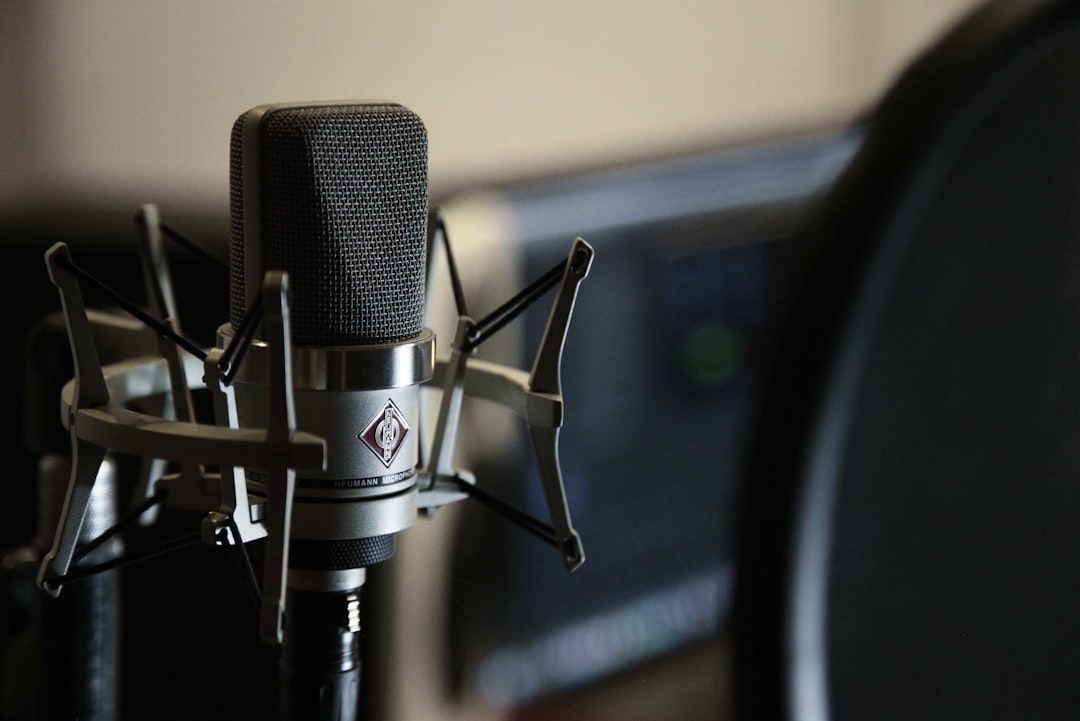
The best audio interface for singers is one with a clean, quiet microphone preamp, enough gain for your mic, reliable phantom power and rock-solid low-latency monitoring so you can sing in time with yourself. You almost never need more than one or two inputs for solo vocals, so spend your money on preamp quality and stable drivers rather than channel count.
Violet Recording is reader-supported — we may earn a commission from links on this page, at no extra cost to you.
Quick answer: For most home singers, a tidy 1- or 2-input USB interface with one good preamp is ideal. The Focusrite Scarlett Solo, Audient EVO 4, Universal Audio Volt 2 and PreSonus Studio 24c are all dependable choices. Pick based on how much gain your microphone needs and whether you want extra colour or extra inputs.
What an audio interface for singers actually needs
Recording a voice is simpler than recording a band, so focus on the few things that genuinely affect a vocal take:
- Clean preamps with enough gain. Quiet, sensitive dynamic mics like the Shure SM7B want a lot of gain. If you use one, look for an interface with high gain headroom or a built-in boost mode.
- Phantom power (+48V). Required for condenser microphones, which are the most common choice for home vocals. If you are unsure how this works, read what is phantom power.
- Low-latency monitoring. You need to hear yourself with no delay while you sing. Direct monitoring or very low buffer settings make this comfortable.
- A good headphone output. Singers monitor on closed-back headphones, so the headphone amp needs to drive them loudly and cleanly.
- Stable drivers. A class-compliant or well-supported interface that does not drop out mid-take matters more than any spec sheet.
How many inputs do you need?
For solo vocals, one mic input is enough. Choose two inputs if you also play guitar or piano while singing, record duets, or want room to grow. Going beyond two channels rarely helps a singer and usually just adds cost.
Connection and platform
USB is the standard for home setups and works on Mac, Windows, and most tablets and phones with the right adapter. Confirm the interface is class-compliant if you plan to record on an iPad. For wiring everything up, see our walkthrough on how to set up an audio interface.
Why gain headroom matters more than you think
Gain is the single spec that catches singers out. The number on the box is a maximum, but the figure that actually matters is how much clean gain you have left before the preamp starts adding audible hiss. A quiet dynamic mic on a soft vocal can ask for most of a cheaper interface’s range, leaving you with a thin, noisy take. A condenser is far more sensitive and rarely runs short of gain, which is one reason condensers are the popular home-vocal default. If you are torn between two interfaces, the one with more usable gain headroom is almost always the safer long-term choice, because it keeps every mic you might own in future comfortably within reach.
Compared at a glance
| Pick | Why it stands out |
|---|---|
| Focusrite Scarlett Solo | The Scarlett Solo is the classic single-vocalist interface: one mic preamp with phantom power, one instrument input,… |
| Audient EVO 4 | The EVO 4 punches above its size thanks to its Smartgain feature, which automatically sets a sensible input level… |
| Universal Audio Volt 2 | The Volt 2 adds an optional vintage preamp mode that lends a subtle, flattering warmth to vocals, which many singers… |
| PreSonus Studio 24c | The Studio 24c offers two combo inputs with plenty of clean gain, high-resolution converters, and a generous… |
Full picks and details below.
The best audio interfaces for singers
Focusrite Scarlett Solo
The Scarlett Solo is the classic single-vocalist interface: one mic preamp with phantom power, one instrument input, and a headphone output, in a compact and very well-supported package. The preamps are clean and easy to set, and the bundled software gets you recording quickly. It is a safe default for anyone tracking one voice at a time.
Audient EVO 4
The EVO 4 punches above its size thanks to its Smartgain feature, which automatically sets a sensible input level for you — genuinely helpful if you are new to setting gain. It has two inputs, good converters for the class, and a clean monitoring path. A strong pick for beginners who want less fuss.
Universal Audio Volt 2
The Volt 2 adds an optional vintage preamp mode that lends a subtle, flattering warmth to vocals, which many singers like. It has two inputs, solid build quality, and dependable drivers. Choose it if you want a touch of analogue character baked into your tracking chain.
PreSonus Studio 24c
The Studio 24c offers two combo inputs with plenty of clean gain, high-resolution converters, and a generous software bundle. It is a great-value two-input option for a singer who also wants to record an instrument or a second vocalist. For a closer look, see our USB mic vs audio interface comparison to decide if an interface is right for you at all.
For demanding dynamic mics: high-gain options
If you sing into a low-output dynamic like the SM7B, prioritise gain. The Volt 2 and similar interfaces with extra boost handle these mics better than entry-level units. Otherwise, an inline gain booster solves the problem on quieter interfaces.
How to choose the right one for your voice
With four solid options on the table, the choice comes down to your microphone, your budget and how much you want the interface to do for you. Work through these questions in order:
- What microphone will you use? A condenser pairs happily with any of these. A low-output dynamic such as the SM7B pushes you towards the higher-gain end of the list, or towards adding an inline booster. If you have not settled on a mic yet, our guide to the best microphones for singing and vocals pairs naturally with this list.
- Do you only ever record yourself? If it is always one voice at a time, a single-input unit keeps your desk tidy and your spend focused. If you might track a guitar, a piano part or a duet, two inputs are worth the small extra outlay.
- How confident are you with gain staging? If setting levels feels daunting, an interface with an automatic level-setting feature removes a real source of beginner anxiety.
- Do you want the recording to be neutral or coloured? Most interfaces aim for a clean, transparent sound. If you would rather bake in a little analogue warmth at the source, a unit with a vintage preamp mode gives you that option.
Common mistakes singers make when buying
The most frequent error is overspending on channel count. A singer rarely needs more than two inputs, and paying for eight is money that would have bought a better preamp, a better mic or proper room treatment. The second mistake is ignoring the headphone output: a weak headphone amp leaves your monitoring quiet and lifeless, which makes it harder to pitch and perform. Third, people chase converter specs that are already inaudible at this price level while overlooking driver stability, the thing that actually ruins takes when it drops out. Finally, do not forget the rest of the chain — the best interface in the world cannot rescue a reflective, untreated room.
Getting clean vocal recordings once it is connected
The interface is only part of the chain. Set your gain so loud passages peak well below clipping, monitor on closed-back headphones, and treat your room. Our guides on how to record vocals at home and audio interfaces cover the rest of the workflow, from mic placement to gain staging.
Frequently asked questions
Do singers need a 2-channel interface?
Not for solo vocals — a single mic input is enough. Choose two inputs only if you record an instrument alongside your voice, track duets, or want headroom to expand later.
Will any interface power a condenser mic?
You need an interface with +48V phantom power, which most modern USB interfaces include. Check the spec before buying, as a few instrument-only or guitar-focused interfaces omit it.
What interface works with the Shure SM7B?
The SM7B needs a lot of clean gain. Pick an interface with high gain headroom such as the Volt 2, or add an inline gain booster to a lower-gain interface to drive it properly.
Is a USB interface good enough for professional vocals?
Yes. A well-made USB interface captures broadcast- and release-quality vocals comfortably. At home, the limits on your sound are far more likely to be your mic, your room and your performance than the interface itself, so a dependable two-input USB unit is all most singers will ever need.



