
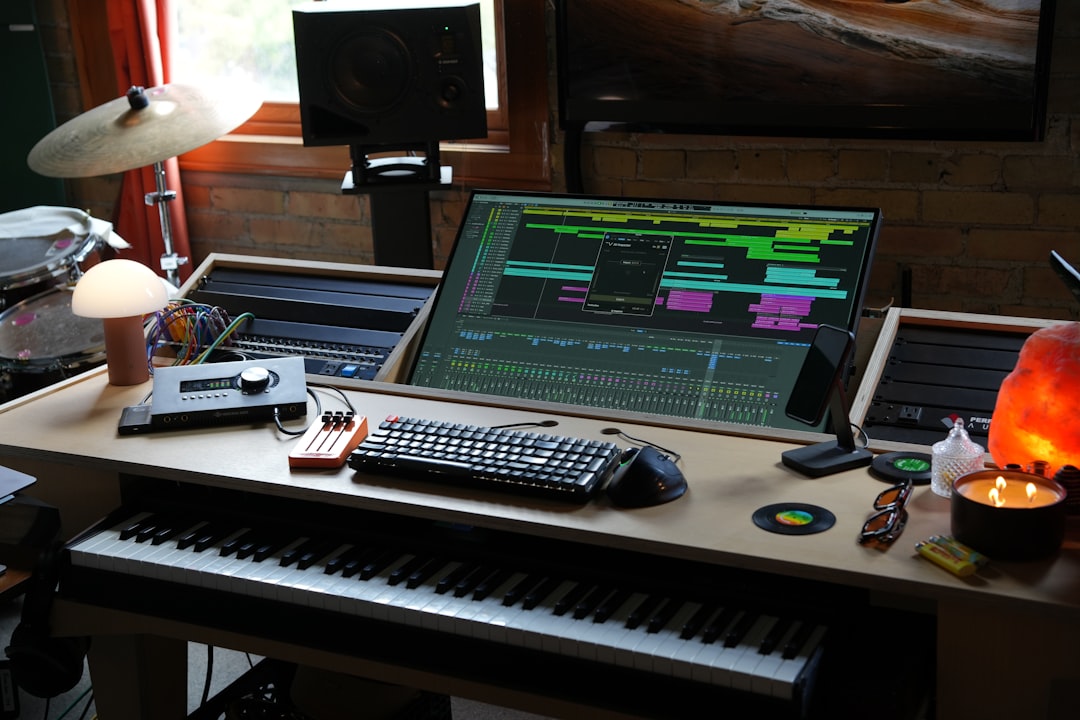
A portable vocal booth dries up your vocal by surrounding the mic with absorption you can set up and pack away. The best portable vocal booths range from a shield that wraps behind the mic to a full freestanding enclosure you stand inside — and the right one depends on your space and budget. Here is how to choose, with the brands worth knowing.
Violet Recording is reader-supported — we may earn a commission from links on this page, at no extra cost to you.
Quick answer
- Smallest / cheapest: a mic reflection filter such as the sE Electronics RF-X.
- Pop-up box you sing into: Kaotica Eyeball or a fabric pop-up enclosure.
- Freestanding panels around you: Vicoustic, Auralex, or Gobos from acoustic-panel brands.
- Full enclosures: Studiobricks, ISOVOX, t.akustik booths for the most isolation.
What “portable vocal booth” actually means
The term covers a wide range. At the small end, it’s a reflection shield around the mic. In the middle, it’s a set of freestanding acoustic panels (gobos) you arrange around yourself, or a pop-up fabric enclosure. At the large end, it’s a sealed booth you step into. They all aim to reduce room reflections so the recorded vocal sounds drier and more controlled — the same goal as our tips on reducing echo when recording vocals.
Important distinction: most “vocal booths” treat reflections, not transmission. A panel setup makes the vocal drier but won’t keep outside noise out. Only heavy, sealed enclosures offer real isolation, and even those are about acoustics more than true soundproofing. Our guide on soundproofing vs acoustic treatment explains the difference, and acoustic treatment for home studios covers the fundamentals.
How to choose the best portable vocal booth
Match the type to your problem
If your room is just too live and bright, a reflection filter or a couple of gobos solves it cheaply. If you also need to keep some ambient noise out and want a more dead vocal, a pop-up enclosure or a sealed booth does more. Be honest about which problem you actually have — if traffic and neighbours are the issue, our guide on how to record in a noisy room tackles that head-on.
Space and portability
A reflection filter stows in a drawer; a set of gobos leans against a wall; a full booth is furniture you live with. Measure your room and decide how much you can leave set up versus pack away between sessions.
Absorption quality
Foam-only solutions tame highs but leave the boxy lower-mid reflections that muddy vocals. Products using denser mineral wool or multi-layer absorption control more of the range. The thicker and denser the material, the lower the frequency it can absorb.
Don’t over-deaden
A tiny, very dead enclosure can make a vocal sound lifeless and unnatural. A little controlled space sounds better than a closet packed with foam. Leave the mic room to breathe and use sensible mic placement.
Budget honestly, and in stages
Prices climb steeply as you move up the categories: a reflection filter typically costs about as much as a budget microphone, gobos run into the hundreds once you buy two or three, and a walk-in booth is a four-figure purchase in most cases. Check current listings before you plan, because prices shift often. The sensible route for most home recordists is staged — start with the filter, add gobos if the room still colours the vocal, and only consider a sealed booth once you know absorption alone isn’t enough.
Compared at a glance
| Pick | Why it stands out |
|---|---|
| sE Electronics RF-X — best entry point | The RF-X reflection filter is the cheapest, smallest way to dry up a vocal. |
| Kaotica Eyeball — best mic-mounted enclosure | The Kaotica Eyeball is a foam ball that slips over the mic, surrounding the capsule with absorption and an… |
| Freestanding gobos (Vicoustic, Auralex, GIK) — best flexible setup | Movable acoustic panels you arrange around yourself give the most natural result and double as room treatment when… |
| Pop-up fabric enclosures — best quick portability | Fabric-over-frame pop-up booths (from various brands) fold down small and set up in seconds on a stand or desk. |
| Studiobricks & ISOVOX — best isolation | For the most control and a degree of real isolation, sealed enclosures like Studiobricks booths or the ISOVOX… |
Full picks and details below.
The best portable vocal booths
sE Electronics RF-X — best entry point
The RF-X reflection filter is the cheapest, smallest way to dry up a vocal. It mounts behind the mic, absorbs rear and side reflections, and packs away easily. A great first step before any bigger investment — and the natural overlap with our roundup of the best reflection filters.
Kaotica Eyeball — best mic-mounted enclosure
The Kaotica Eyeball is a foam ball that slips over the mic, surrounding the capsule with absorption and an integrated pop filter. It is genuinely portable and dries the vocal closely, though it changes the mic’s sound, so try to hear it on your mic first.
Freestanding gobos (Vicoustic, Auralex, GIK) — best flexible setup
Movable acoustic panels you arrange around yourself give the most natural result and double as room treatment when not in use. Vicoustic, Auralex, and GIK Acoustics all make freestanding panels and gobos. Surround three sides of the mic and you have a flexible, good-sounding booth.
Pop-up fabric enclosures — best quick portability
Fabric-over-frame pop-up booths (from various brands) fold down small and set up in seconds on a stand or desk. They control highs and some mids and are popular with the voiceover artists who travel that we cover in our best microphones for voiceover guide, though they do less in the low mids than dense panels.
Studiobricks & ISOVOX — best isolation
For the most control and a degree of real isolation, sealed enclosures like Studiobricks booths or the ISOVOX head-and-mic enclosure go furthest. They are an investment and take up space, but they deliver a dry, quiet vocal in a noisy or untreated home.
Which pick suits which recordist
A bedroom singer cutting demos in a live-sounding room is usually best served by the RF-X plus a duvet behind them. A travelling voiceover artist who records in hotel rooms wants the Kaotica Eyeball or a pop-up enclosure — small, fast, forgiving of strange rooms. Someone recording several vocalists in a shared flat gets the most mileage from gobos, since they double as treatment for everything else. And a full-time narrator or podcaster in a noisy building is the one buyer for whom a sealed Studiobricks-style booth genuinely pays off.
Common mistakes to avoid
- Buying isolation you don’t need. If your recordings sound roomy but not noisy, absorption is the fix — a sealed booth is overkill.
- Sealing yourself into a foam closet. Over-deadened vocals sound small and are hard to rescue in the mix.
- Ignoring what’s behind you. A cardioid mic hears reflections bouncing off the wall you face, so treat behind the singer, not just behind the mic.
- Forgetting the mic stand. Reflection filters and mic-mounted enclosures add real weight; a flimsy stand will droop mid-take.
Setup and care tips
Set the booth or panels up before you warm up, and listen to a quick test take on headphones — small position changes matter more than the product itself. Keep fabric and foam surfaces dust-free (a vacuum with a brush head works) and let any enclosure air out between long sessions, because a stuffy booth wears a singer down fast. If a piece lives packed away, store foam flat rather than compressed so it keeps its shape.
Getting clean takes
Whatever you use, combine it with a pop filter, careful gain staging, and the right distance from the mic. Then follow our full process in how to record vocals at home. For the wider room and gear plan, see the home studio setup hub.
Frequently asked questions
Do portable vocal booths block outside noise?
Mostly no. Reflection filters, gobos, and pop-up enclosures reduce reflections to dry up the vocal, but they don’t block transmission, so traffic or room noise still gets in. Only heavy sealed enclosures like Studiobricks or ISOVOX offer meaningful isolation.
Is a portable vocal booth better than treating the room?
They serve different needs. Treating the room improves everything you record there; a portable booth targets just the vocal and packs away. For a flexible space, freestanding gobos give you both — drier vocals when set up around the mic and room treatment otherwise.
Will a small vocal booth make my voice sound boxy?
A tiny, foam-heavy enclosure can sound dead or boxy and unnatural. Use enough but not excessive absorption, keep the mic a sensible distance away, and prefer a slightly open setup over cramming yourself into a small dead box.
Can I build a portable vocal booth myself?
Yes — a duvet over a frame or a wardrobe of hanging clothes works surprisingly well and costs almost nothing. Commercial products win on convenience, consistency, and looks, but if budget is tight, start with the DIY version and upgrade once you know what your room actually needs.



