
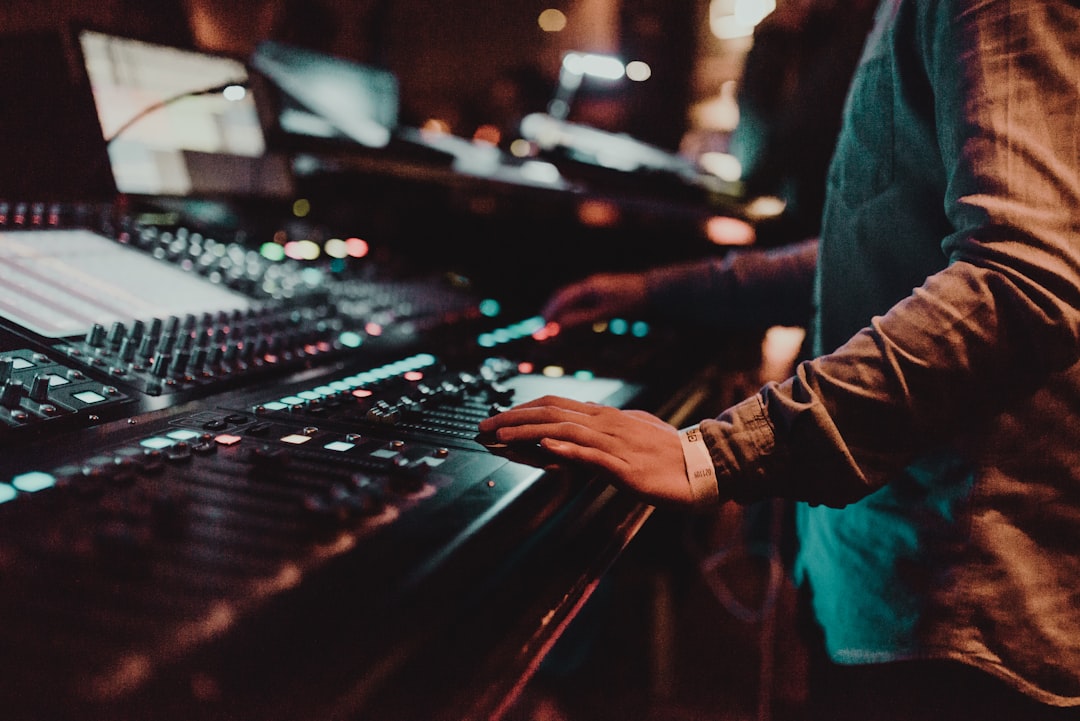
A front of house engineer mixes the sound the audience hears at a live show. To become one, you build live mixing experience from the ground up — starting with small local gigs — while learning consoles, system tuning and how to deliver a great mix night after night under pressure. It’s a craft you learn mostly by doing.
Here’s what the role involves and how to get there.
What a front-of-house engineer does
The FOH engineer runs the main mix from a console out in the audience. On a typical show you’ll:
- Set up and line-check the input list — every mic and DI.
- Build a balanced mix of the whole band for the room.
- Manage levels, EQ, dynamics and effects live as the performance changes.
- Fight feedback, fix problems instantly, and keep the show sounding good from soundcheck to encore.
It’s distinct from the monitor engineer, who mixes what the performers hear on stage. Both sit under the broader umbrella of live sound engineering, and it’s worth seeing how it compares to the other types of audio engineering jobs before you commit to the live world.
The skills you need to develop
FOH rewards fast decisions and a confident ear. Build these:
- Mixing instincts under pressure. You can’t pause and undo, so your EQ and compression fundamentals need to be second nature.
- Signal flow and troubleshooting. When a channel drops mid-song, you find it in seconds. Solid gain staging prevents many problems before they start.
- Microphone knowledge. Choosing and placing mics on a loud stage is an art; understanding polar patterns helps you control bleed and feedback.
- System and room awareness. Every venue sounds different, and you learn to tune the PA and adapt your mix to the space.
- Calm under pressure. Bands, promoters and audiences are all relying on you in real time.
How a show actually unfolds
Understanding the shape of a gig helps you see where these skills come into play. A working day at FOH usually runs in four phases:
- Load-in and patch. You get the stage box connected, patch every input to the right channel, and label your console so nothing is a mystery once the lights drop.
- Soundcheck. You line-check each channel, set rough gain, then build the mix instrument by instrument — drums first, then bass, guitars, keys and vocals on top. This is where you ring out the PA and listen for any frequencies that want to feed back.
- Doors and the show. A full room sounds very different from an empty one: bodies absorb high frequencies and soak up reflections, so your soundcheck mix will need real-time adjustment. You ride faders, manage effects sends, and keep the vocal sitting clearly above the band.
- Tear-down. You coil cables, pack the console settings or scene file if it’s your own show, and leave the stage as you found it. Being tidy and quick here is part of why engineers get rehired.
The more shows you run end to end, the more these phases become muscle memory and the more head-space you free up for the mix itself.
Learn the gear
You don’t need to own a PA to learn, but you should get comfortable with the tools of the trade:
- Digital mixing consoles — get hands-on with the common platforms whenever you can. Many offer free offline editor apps so you can practise the layout at home.
- Loudspeaker systems and processing — understand how PAs are deployed and tuned.
- Networked audio — Dante and similar systems are increasingly standard, and a Dante certification is worth pursuing.
A useful habit is to learn one console deeply rather than spreading yourself thin across many. Once you understand the logic of routing, bus assignment, scene recall and effects on a single platform, picking up the next console is mostly a matter of learning where the buttons live. Most digital desks share the same underlying concepts.
The realistic path in
Almost no one starts on a big stage. The route looks like this:
- Mix small local shows. Bars, clubs, open mics and community venues are where you build reps.
- Volunteer. Houses of worship, schools and local theatres often need live sound help and give you real console time — it’s one of the fastest ways to get audio engineering experience early on.
- Work with local bands. Becoming a band’s trusted live engineer can grow into bigger gigs and tours.
- Network relentlessly. Touring and venue work runs on referrals — see how to network in the music industry.
- Build a reputation for reliability. The engineer who’s always early, prepared and easy to work with gets the call back.
Common mistakes to avoid
A few habits hold new FOH engineers back more than any gap in gear knowledge:
- Mixing too loud. Pushing the system hard fatigues your ears and the audience’s within minutes, and it leaves you no headroom when the chorus arrives. Mix at a level you can sustain all night.
- Chasing the soundcheck mix during the show. The room changes once it fills up. Treat soundcheck as a starting point, not a finished mix to defend.
- Over-processing. Stacking EQ, compression and effects on every channel usually muddies the result. Make each move count, and reach for the simplest fix first.
- Ignoring the stage. Excessive on-stage volume bleeds into every open mic and limits how clean your FOH mix can be. Good communication with the band and the monitor engineer solves more problems than any plugin.
- Forgetting it’s a service job. Your job is to make the artist sound like themselves at their best, not to show off. Reliability and a calm manner get you booked again.
Frequently asked questions
What’s the difference between FOH and a monitor engineer?
The front-of-house engineer mixes the sound for the audience, while the monitor engineer mixes what the performers hear on stage. They work closely together but solve different problems from different positions.
Do I need a qualification to be a front-of-house engineer?
No formal qualification is required. Live experience is what counts. Hands-on hours mixing real shows, plus a reputation for reliability, matter far more than a certificate — though Dante certification is a useful technical credential.
How do I practise FOH mixing at home?
Download a free offline editor for a popular digital console to learn the layout and workflow, study live multitrack recordings, and sharpen your EQ, compression and feedback-control instincts. Then get on a real console at the smallest gigs you can find.
How long does it take to become a working FOH engineer?
There’s no fixed timeline — it depends entirely on how many shows you mix. Someone running sound several nights a week at a local venue will progress far faster than someone doing the occasional gig. Most engineers spend a few years on small stages building consistency before they’re trusted with larger productions and touring work.



