
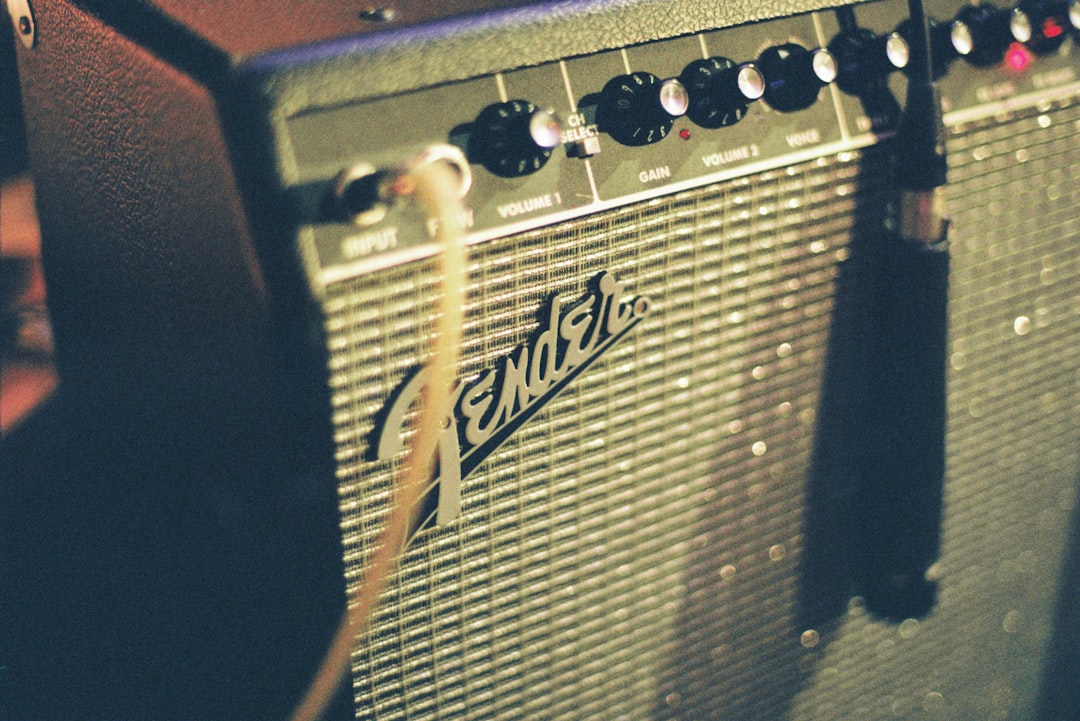
To EQ guitars in a mix, work mostly subtractively: high-pass the low rumble, dip the mud in the low mids, tame fizz and harshness up top, and only boost when a part genuinely needs presence. Good guitar EQ is less about making one track sound impressive on its own and more about helping every guitar share space with the bass, vocal and drums.
🔧 Free tool: try our EQ Frequency Chart.
Here is a frequency-by-frequency map plus a workflow you can apply to electric, acoustic and bass guitar parts. EQ is only one stage, so it pays to read it alongside a wider guide to how to mix electric guitars.
Know the guitar frequency ranges
Before reaching for a plug-in, it helps to know roughly where guitar energy lives:
- Sub and low (below ~80 Hz): mostly rumble and noise on electric guitar; usually high-passed away.
- Low mids (~120–400 Hz): body and warmth, but also where mud and boxiness pile up.
- Mids (~400 Hz–2 kHz): the core of the guitar tone and where it competes with vocals.
- Presence (~2–5 kHz): pick attack, definition and bite.
- Air and fizz (above ~5 kHz): sparkle on acoustics, but harsh fizz on high-gain electrics.
High-pass first
Almost every electric guitar benefits from a high-pass filter somewhere around 80–100 Hz. That low region belongs to the kick and bass, and clearing it out instantly tightens the low end. On acoustic guitars you can high-pass too, but more gently, since some of their warmth lives lower. This single move solves a surprising amount of mud before you touch anything else.
Carve mud and boxiness
If a stack of guitars sounds congested, the culprit is usually the low mids. Sweep a narrow boost through roughly 200–500 Hz to find the worst offender, then cut it. You do not need a deep notch; a couple of decibels across the section often clears the fog. This is especially important when you layer guitars in a mix, because each new track adds more low-mid buildup.
Tame harshness and fizz
High-gain electric tones build up fizz in the upper treble. A gentle high shelf cut or a wide dip in that region smooths the edge without dulling the attack. If a tone sounds nasal or piercing, hunt around 2–4 kHz for the offending peak. The same logic applies whether you tracked a real amp or used a sim like Neural DSP, IK Multimedia Amplitube or Ignite Amps Emissary. Most of this fizz also traces back to the source, so a clean tracked sound from a solid guitar tone when recording means far less corrective EQ later. Our guide to how to mix distorted guitars covers fizz control for heavier tones specifically.
Make room for vocals
Guitars and vocals share the same crucial midrange, so they constantly compete. A modest dip in the guitars around the vocal’s core frequencies lets the voice through without dropping the guitar level. For a fuller approach to this, see how to fit guitars and vocals together in a mix. Dynamic EQ or light sidechaining can do this automatically, dipping the guitars only when the vocal is present.
Boost with intent
Once you have cleaned things up, a small boost can add character: a touch of presence around 3 kHz for bite, or a little air on acoustics. Keep boosts wide and gentle. If you find yourself stacking large boosts to make a guitar cut through, the real fix is usually arrangement or panning rather than EQ. Our overview of how to make guitars sound bigger covers those wider moves.
A simple EQ workflow you can repeat
If the frequency map feels like a lot to hold in your head, fall back on a fixed running order. The point is to fix problems before you add character, so the chain below moves from clean-up to polish:
- 1. High-pass. Set the filter, then nudge it up by ear until the guitar starts to lose body, and back off slightly.
- 2. Find and cut mud. Sweep the low mids with a narrow boost, locate the boxy spot, and turn that boost into a gentle cut.
- 3. Check harshness. Sweep 2–5 kHz the same way and tame anything that stabs at you, especially on distorted parts.
- 4. Carve for the vocal. With the vocal playing, dip the guitars just enough to hear the words clearly.
- 5. Boost last. Only now add presence or air, and only if the part still needs it after the cuts.
Work with the whole mix playing and your monitoring at a sensible, consistent level. Loud playback flatters everything and pushes you toward over-bright, fatiguing settings, so trust moderate volume and reference your favourite mixes often.
Common guitar EQ mistakes
Most muddy or harsh guitar mixes come down to a handful of repeat offenders rather than the wrong plug-in:
- Boosting before cutting. Reaching for a presence boost first masks problems you would have solved more cleanly with a cut. Clean up, then sweeten.
- EQ-ing every track identically. A copied EQ curve across a doubled or layered section stacks the same buildup over and over. Treat the section as a whole and let tracks differ.
- Chasing a great solo tone. A guitar that sounds huge on its own is often too wide and too full to sit in a busy mix. Judge it in context.
- Narrow, surgical boosts. Tight boosts sound unnatural and brittle. Keep boosts wide; reserve narrow bands for cutting out specific problem frequencies.
- Fixing arrangement issues with EQ. If two parts fight no matter what you do, the answer is usually panning, level or playing fewer notes, not more filtering.
Many of these overlap with broader common guitar recording mistakes, so fixing them at the source saves a lot of work at the mix stage.
Frequently asked questions
Should I EQ guitars in solo or in the mix?
Make your main decisions while the full mix plays. A guitar can sound thin or odd in solo yet sit perfectly in context. EQ exists to help tracks coexist, so judge it against the bass, drums and vocal, not in isolation.
What frequency makes electric guitars muddy?
Mud usually lives in the low mids, roughly 200–500 Hz, and gets worse as you stack tracks. A small cut there plus a high-pass filter clears most congestion in a guitar section.
Do acoustic and electric guitars need different EQ?
Yes. Acoustics keep more of their warmth and air, so high-pass more gently and watch the high-end sparkle. Electrics, especially distorted ones, need tighter low-end control and more attention to fizz in the upper treble.
How much EQ is too much on a guitar?
There is no fixed limit, but if you are making lots of large cuts and boosts on one track, the source tone or the arrangement is usually the real problem. Most guitars only need a high-pass, one or two modest cuts, and at most a small boost. Re-amping, swapping a sim or changing the part will often beat heavy corrective EQ.



