To mix distorted guitars well, the work starts before the mixer: capture or sim a tone with less gain than feels good in solo, double-track the part, then carve, pan and glue it in the mix. Distorted tones are dense and full of harmonics, so the job is mostly about removing what you do not need and giving each guitar its own space.
Below is a practical order of operations for getting tight, big-sounding electric guitars in your DAW without turning the mix into mush.
Start with the right amount of gain
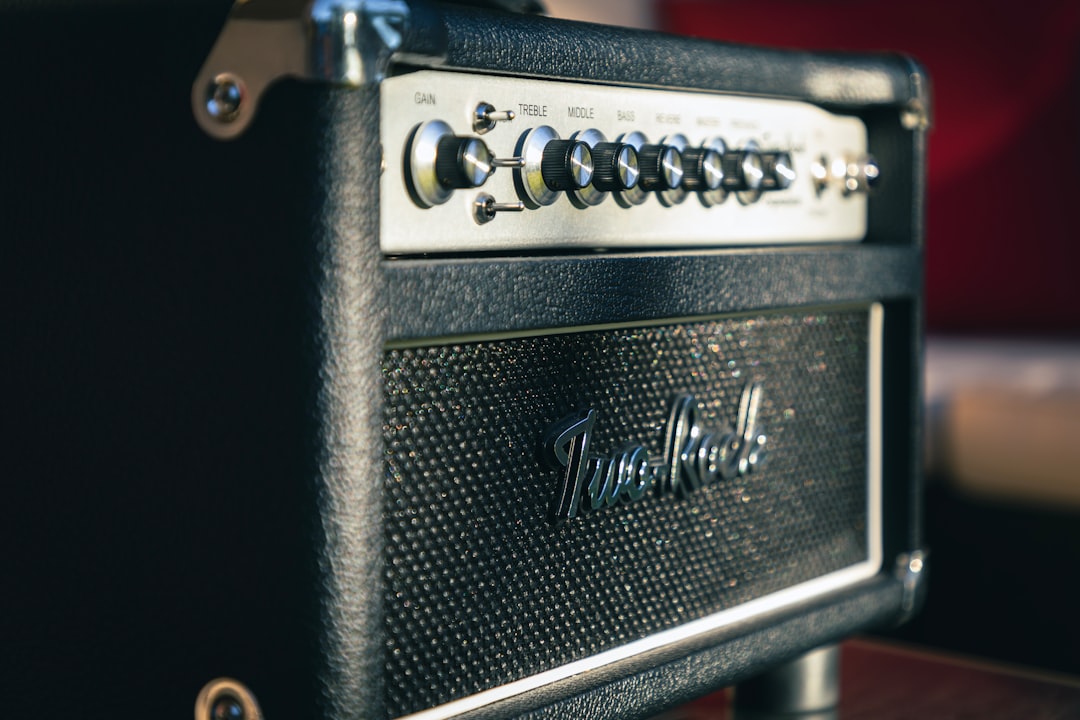
The single most common reason distorted guitars sound bad in a mix is too much gain. High-gain tones feel huge in isolation but turn flubby and undefined the moment a bass, kick and second guitar arrive. Back the gain off until the tone feels slightly underdriven on its own; it will usually sit far better in context. This is doubly true for heavier styles, where it helps to start from a focused metal guitar tone rather than piling on more saturation.
If you are using an amp sim like Neural DSP, STL Tones ToneHub, IK Multimedia Amplitube or a free option such as Ignite Amps Emissary, set the gain while the rest of the mix plays, not in solo. A tight low-gain rhythm tone with a good impulse response beats a saturated mess every time. For more on dialing tones in software, see our guide on how to dial in amp sim tones.
Double-track for width
A single distorted guitar panned center fights the vocal and snare. The standard approach is to record the same part twice as separate performances and pan them hard left and right. This creates width and a wall-of-sound effect that a copied-and-pasted track simply cannot. Our walkthrough on how to double track guitars covers the technique in detail, and if you want even more size there are extra tricks for making guitars sound bigger beyond a simple double-track.
If you only have one usable take, you can fake some width with a haas-style delay or a doubler, but a genuine second performance is always tighter and more convincing.
EQ to carve space
Distorted guitars are mid-heavy by nature, and that midrange is where they collide with vocals and snare. A few moves go a long way:
- High-pass the rumble below roughly 80–100 Hz so the guitars stop fighting the bass and kick.
- Tame harshness with a gentle cut somewhere in the upper mids and lower treble where fizz lives.
- Dip a small notch in the lower mids if the wall feels boxy or congested.
Use subtractive EQ first and boost only if something truly needs it. Our deeper dive on how to EQ guitars in a mix walks through these frequency ranges with examples.
Pan, balance and bus
Pan your double-tracked rhythms hard left and right, keep lead lines and overdubs nearer the center or in the gaps, and route all the guitars to a single bus. Light bus compression and a shared EQ move on that bus help the section feel like one cohesive instrument rather than four separate tracks.
Keep the overall guitar level lower than you expect. In a dense arrangement the guitars are a bed, not the loudest thing in the room. If they feel buried, that is often a cue to thin the bass or back off gain rather than push the guitars louder.
Add motion and depth
Once the rhythm wall is tight, small touches of stereo reverb or a slap delay can add depth without smearing the attack. Keep verbs short and tucked low on heavy rhythm parts; save longer, more obvious effects for leads. For lead sounds, our notes on getting a usable lead tone in how to record a guitar solo are a useful companion.
Carve a pocket for the rest of the band
A wall of guitars only sounds powerful if there is room around it. The two instruments that most often clash with distorted guitars are the bass and the lead vocal, and the fix is to think of the low end and the midrange as shared territory that each part has to negotiate.
For the bass, decide which instrument owns the low end and which owns the low mids. A common split is to let the bass carry the weight under about 100 Hz while the guitars provide the grind and bite in the mids. If both fight for the same low mids you get a thick, indistinct wash; a gentle complementary EQ move — cutting a little where the other instrument needs to come through — usually clears it up faster than turning either part up.
For the vocal, the upper mids around the presence region are the contested zone. If the lead is getting swallowed, a small dynamic cut on the guitar bus that only ducks when the vocal is present keeps the wall full during instrumental sections but politely steps aside when the singer comes in. This is far more transparent than statically scooping the guitars and leaving them thin all the way through; our guide to fitting guitars and vocals together in a mix goes deeper on that balancing act.
Common mistakes to avoid
Most distorted-guitar problems come down to a handful of repeat offenders. Knowing them saves a lot of mixing time:
- Stacking too many layers. Two tight double-tracked rhythms almost always beat four or six smeared ones. Each extra layer adds low-mid build-up and phase muddiness, not power.
- Copying one take to both sides. A duplicated track panned left and right collapses to mono in the centre rather than widening; only genuinely separate performances spread out properly.
- Mixing guitars in solo. A tone that sounds huge alone is usually too saturated and too bright once the full arrangement plays. Always judge gain, EQ and level against the rest of the mix.
- Over-reverbing rhythm parts. Long reverb on a tight chug smears the attack and pushes the guitars to the back of the mix. Keep ambience short and subtle on rhythm; save the bigger spaces for leads.
- Chasing loudness instead of balance. If the guitars feel buried, the answer is usually carving frequencies or thinning a competing part, not pushing the fader up until everything is loud.
Frequently asked questions
Why do my distorted guitars sound muddy in the mix?
Usually too much gain plus no high-pass filter. Reduce the amp or amp-sim gain, high-pass the low rumble, and dip the lower mids slightly. Mud is almost always low-end and low-mid build-up across multiple guitar tracks stacking.
Should I compress distorted guitar tracks?
Heavy distortion already compresses the dynamics, so individual rhythm tracks rarely need much. Light glue compression on the guitar bus is more useful than hard compression on each track. Leads can take a touch more to keep sustain even.
How loud should distorted guitars be in a mix?
Lower than they feel in solo. In a full arrangement they support the vocal and rhythm section, so balance them against the kick, snare and bass rather than pushing them to the front. If they sound great alone but vanish in the mix, that is a balance and EQ problem, not a level one.
How many guitar tracks do I actually need?
For most rock and metal a single double-tracked rhythm part panned hard left and right is enough to sound wide and solid. Add layers only with intent — an octave part, a clean shimmer or a lead line in the gaps — rather than piling on more of the same rhythm, which just thickens the low mids without adding real power.