
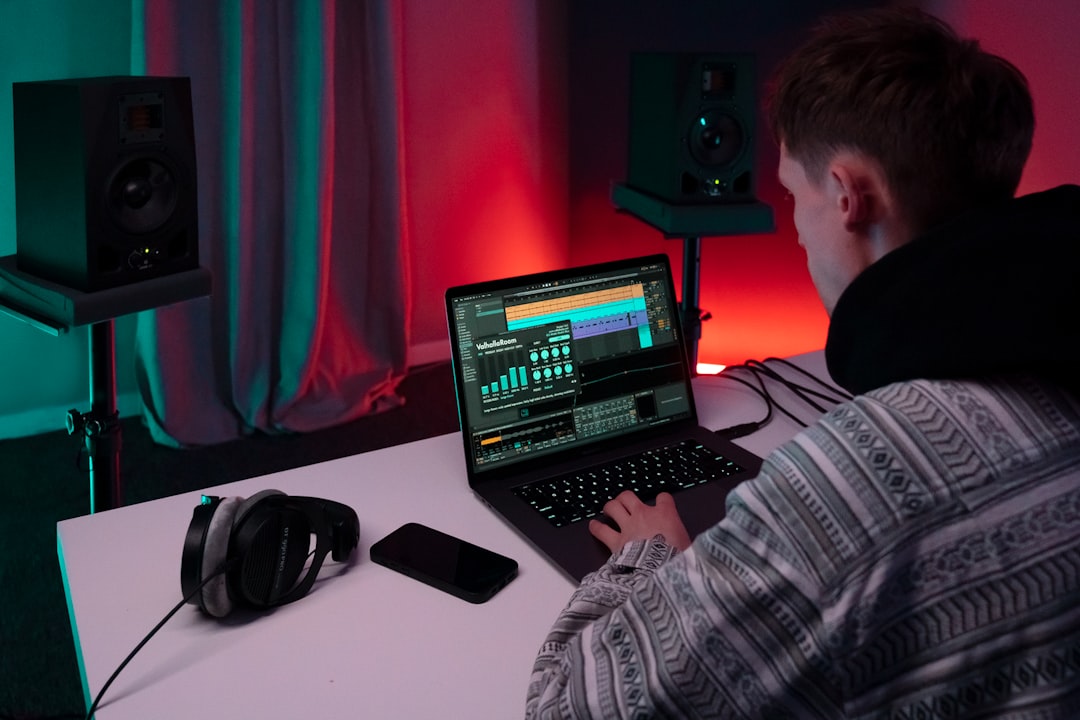
To make a music video with AI, you feed a finished track into an AI video maker, pick a look and an aspect ratio, and let the tool generate matching visuals — no camera, location, actors, or editing timeline required. For an independent artist in 2026, this gets a polished, on-brand clip live the same day your mix is done, usually for the price of a coffee. This guide walks through the whole workflow: what you need before you start, how the tools actually work, which one to pick, and how to publish the result so it gets seen.
Violet Recording is reader-supported — we may earn a commission from links on this page, at no extra cost to you.
TL;DR: the fastest AI music video workflow
- All-in-one, done today: upload your track to Solmi and export a 16:9, 9:16 or 1:1 video in minutes.
- Wrote the song in Suno or Udio: paste the link into a Suno-to-Video tool and skip rebuilding anything.
- Want a stylised, cinematic look: use a prompt-driven generator like Kaiber or Runway and accept a slower, more hands-on process.
- Just need looping motion for a single: a visualiser or lyric video is enough — try our free music visualizer.
What you need before you make a music video with AI
The single most important input is a finished master. AI tools sync visuals to whatever audio you give them, so a rough bounce with clipping or a weak low end will produce a video that feels off, no matter how good the imagery is. Get the track mixed and mastered first — our guide to mixing your first song and explainer on mastering will get it release-ready. Beyond the audio, you only need three decisions:
- Aspect ratio. 16:9 for YouTube, 9:16 for Reels, TikTok and Shorts, and 1:1 for feed posts. Decide where the video is going first so you export the right shape.
- A visual direction. A mood, a colour palette, or a reference — abstract and neon, warm and filmic, moody and monochrome. Most AI tools take a short text prompt, so a clear one sentence idea beats a vague one.
- The video’s job. Release-day lyric video, a looping visualiser for a single, or a full narrative-style clip. Match the format to the goal before you generate anything.
Nail those three and the actual generation takes minutes. Skip them and you will burn renders chasing a look you never defined.
How AI music video generators actually work
Under the hood, an AI music video maker does two jobs at once. First, it analyses your audio — tempo, sections, energy, and often the vocal — so the visuals can move in time with the track rather than drifting against it. Second, it generates or arranges imagery from a text prompt, a style preset, or your own uploaded photos, then cuts that footage to the beat automatically. The result is something that would have taken an editor hours: motion that lands on the kick and snare, transitions on section changes, and a consistent look from start to finish.
There are broadly three families of tool. Song-to-video generators take your whole track and build a complete, platform-sized video around it — the fastest route. Visualiser tools produce audio-reactive motion, waveforms, or looping art, ideal for singles and streaming. Prompt-driven AI video models generate cinematic, dreamlike imagery frame by frame, which looks striking but needs more guidance and patience. Knowing which family you are reaching for saves you from fighting a tool that was never built for the job you have.
Solmi: the all-in-one pick for making a music video with AI
For most artists who just want a finished video without stitching several apps together, our pick is Solmi. It is a browser-based AI music suite that runs on both desktop and mobile, and its video features are built for exactly this workflow: turn a song into a finished video in 16:9, 9:16 or 1:1. A few of its tools are worth calling out:
- Song-to-video — upload your finished track and get a full video generated around it, sized for the platform you are posting to.
- Suno-to-Video — if you wrote the song in Suno or Udio, paste the track and Solmi turns it into a finished video without you rebuilding the project.
- Lyric Video — animated, timed lyrics for release day and for YouTube search.
- AI Cover and AI Singing Video — for reworking a vocal or putting a performance on screen.
Solmi runs on flat pricing — a free tier to try it, with Pro from $9.99/month and no credit wall — so you are not rationing renders halfway through a project. For the current free-tier limits, export resolution, and commercial-use terms, check the Solmi site directly, since those details change. If you built the underlying song with AI too, our roundup of the best AI song generators and our Suno vs Udio comparison pair naturally with this route.
Other AI video tools worth knowing
Solmi is not the only option, and it helps to know the landscape so you can chase a specific look. Most of these run on subscription or credit-based plans, so check current pricing on each site before you commit — we are not quoting prices that shift month to month:
- Specterr — known for audio-reactive visualisers and lyric videos.
- Kaiber and Runway — general AI video generation, strong for stylised, dreamlike imagery.
- Sondo and Freebeat — mobile-first AI music video creation.
- Neural Frames and Plazmapunk — prompt-driven, audio-synced AI animation.
- Vizzy — visualiser-focused tooling for producers.
For a fuller side-by-side, see our roundup of the best AI music video generators. And if all you need is looping motion, our free music visualizer and album cover art tools can carry a release on their own.
Step-by-step: from track to posted video
Here is the practical sequence once your master is ready:
- Upload or paste your track. Use the final master, not a scratch mix. If the song came from Suno or Udio, paste the link into a Suno-to-Video tool instead of re-exporting.
- Set the aspect ratio. Generate the version for your primary platform first — usually 16:9 for YouTube or 9:16 for short-form.
- Write a short, specific prompt. Name a mood, a palette, and a subject. “Neon-lit rainy city at night, slow drifting camera” beats “cool music video”.
- Generate and review. Watch the whole clip with sound. Check that cuts land on the beat and the energy matches the song’s sections.
- Regenerate the weak parts. Tweak the prompt or preset for any section that drags rather than redoing the entire video.
- Export every ratio you need. Pull a 9:16 and a 1:1 as well, so you are not re-editing for each platform later.
The whole loop takes minutes, not days, which means you can generate two or three directions and pick the strongest instead of committing to your first idea.
Publishing and getting your AI music video seen
Export the right shape for each platform rather than posting one 16:9 file everywhere — a dedicated 9:16 cut for Shorts, Reels and TikTok, and a 1:1 for feed posts. Tools like Solmi export all three, which saves the re-editing. Write a clear title with the song and artist name, drop the full lyrics into the YouTube description for search, and pin a comment linking to where fans can stream. For more on turning a release into reach, browse the AI Music Tools hub and our wider guide to making a music video.
Frequently asked questions
Can I make a music video with AI without any filming?
Yes — that is the whole point of the AI route. Song-to-video generators such as Solmi build the visuals from your audio and a short text prompt, with no camera, location, or actors. You upload your finished track, or paste a Suno or Udio link, and export a ready-to-post video in your chosen aspect ratio.
How long does it take to make a music video with AI?
Minutes for most song-to-video tools once your master is ready, versus the days a self-shot or hired production takes. Prompt-driven cinematic generators are slower because you refine the look over several passes, but even those land in an afternoon rather than a week.
Do AI music videos look professional enough to release?
For lyric videos, visualisers, and stylised abstract clips, yes — these formats are exactly where current AI tools excel, and audiences accept them for single releases and short-form. A full narrative video with realistic actors is still where AI struggles most, so match the format to the tool’s strength and the result will hold up.



