Learning how to make afrobeats comes down to three things: a rolling percussion groove around 100–115 BPM, bright melodic instruments (plucks, marimba, guitar, piano), and a relaxed, syncopated rhythm that never feels rigid. The modern Afrobeats (and Afro-pop / Afroswing) sound is melody-led and groove-driven, blending West African rhythms with pop, dancehall and R&B production.
Here is a practical workflow you can use in any DAW.
How to make afrobeats: tempo and feel
Set your tempo between 100 and 115 BPM for most modern Afrobeats; some Amapiano-influenced tracks sit a little lower. The defining feel is laid-back syncopation — notes land slightly off the strong beats, giving that danceable bounce. Avoid hard quantising everything; let the percussion breathe. If you are unsure how tempo shapes the groove, our explainer on what BPM means in music is a useful primer.
Step 1: Program the drum and percussion groove
Afrobeats rhythm is layered percussion rather than a single drum kit. Build it in layers:
- Kick: punchy but not overly sub-heavy, often syncopated rather than on every beat.
- Snare / clap / rim: a rimshot or layered clap on the backbeat, sometimes shifted off the grid.
- Shaker and hi-hats: continuous 16th-note shakers drive the energy. Add swing.
- Congas, bongos, talking drum, woodblock: these interlocking patterns are the soul of the genre.
- Log drum: the deep, pitched log-drum bass (borrowed from Amapiano) is huge in current productions.
Program the percussion in interlocking, call-and-response patterns so no single layer is busy on its own.
Step 2: Write the melody and chords
Afrobeats melodies are bright and catchy, often built on simple major or minor progressions (a I–V–vi–IV type loop works well). Common sounds include:
- Plucked synths and marimba/kalimba for the main hook.
- Clean or palm-muted guitar lines (highlife-inspired).
- Soft electric piano or bell pads for warmth.
Keep parts short and looping — repetition is a feature, not a bug.
Step 3: Lay down the bass
The bass is melodic and bouncy, often moving with the kick and following the chord roots. A rounded sine/sub bass or the pitched log drum carries the low end. Make sure the kick and bass don’t clash — carve a little space with EQ. Good gain staging from the start keeps everything clean as the arrangement grows.
Step 4: Record and layer vocals
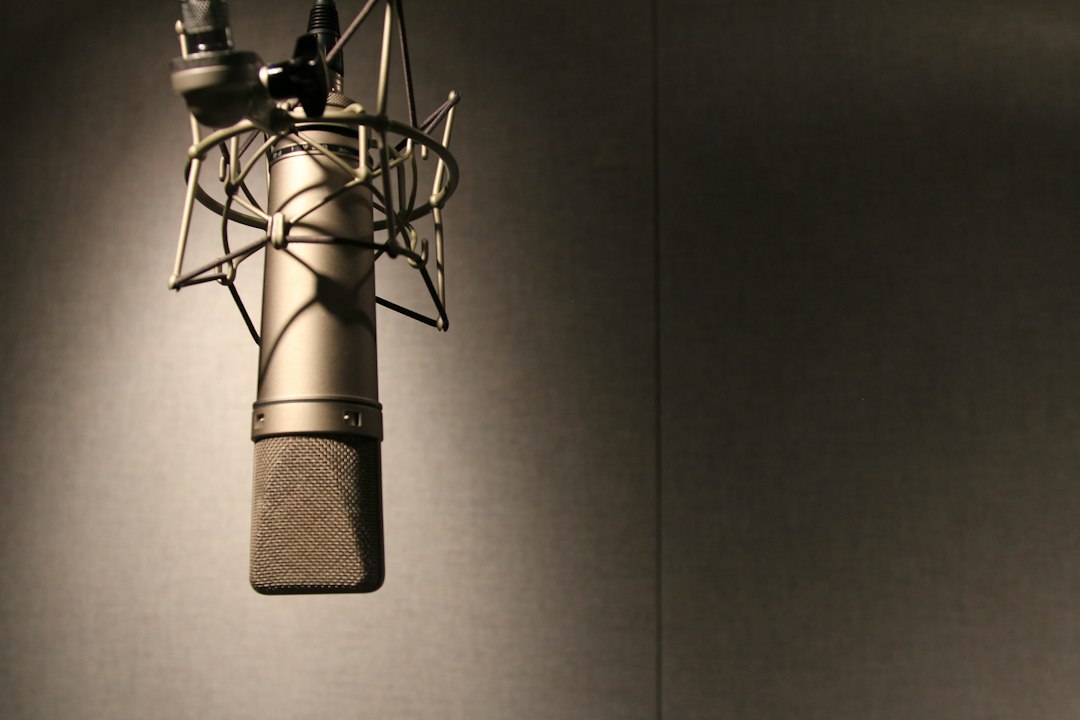
Vocals are central to Afrobeats. Melodies are smooth and rhythmic, with lots of adlibs and harmonies stacked around the lead. Double the hooks, add octave layers, and pan adlibs for width; if you want those stacks to sit in tune, our guide on creating vocal harmonies walks through the intervals that work. If you are tracking at home, our guide on recording vocals at home and the tips on vocal microphone placement will get you a clean take to work with.
Step 5: Arrange the track
A typical arrangement: a short percussion intro, a pre-built groove that drops with the bass, verse, hook, and a bridge that strips back to percussion and vocals before the final chorus. Use filter sweeps, percussion fills and brief drops to keep energy moving across the song.
Step 6: Mix for warmth and groove
Afrobeats mixes are clean, punchy and warm, with crisp percussion and clear vocals up front. Compress your percussion bus for cohesion, keep the low end tight, and add tasteful reverb and delay on vocals. See our reverb and delay guide and the mixing and mastering hub for the techniques that translate directly to this genre.
How to choose your sounds and groove template
Most of the “feel” in Afrobeats is decided before you write a single melody, so spend time getting your foundation right. Start by picking a reference track in a similar style and matching its tempo and overall energy rather than copying its notes. Then make three early decisions that shape everything else:
- Pick a percussion palette first. Choose your shaker, your main hand-drum (conga or bongo) and one signature element (talking drum or log drum) before adding anything melodic. A small, well-chosen kit grooves better than a huge pile of one-shots.
- Decide your swing amount. A swing or groove setting in the 8–20% range usually gives the laid-back bounce. Apply it to shakers and hats first, then taste the rest of the kit against it.
- Choose a single tonal centre. Lock the key early so plucks, guitar, bass and the log drum all sit together. Bright, slightly detuned plucks suit major-key songs; minor keys lean more emotional and modern.
If you are working entirely in the box, sample packs and virtual instruments labelled Afrobeats, Afro-pop or Amapiano are a fast starting point — but treat them as raw material. Re-pitch, re-time and chop them so the groove feels like yours rather than a stock loop dropped in whole.
Common mistakes to avoid
A few recurring errors are what usually make a home-made Afrobeats track sound stiff or amateurish. Watch for these:
- Over-quantising the groove. Snapping every hit to the grid kills the syncopation that defines the genre. Nudge key percussion slightly off the beat and keep the human feel.
- Too many busy layers at once. Afrobeats percussion is about interlocking parts, not density. If two patterns fight, mute one or thin it out so each layer has its own pocket.
- Kick and bass masking each other. When the sub bass and kick share the same low frequencies they turn to mud. Sidechain lightly or carve a notch with EQ so each one is audible; our walkthrough on mixing kick and bass together covers this in detail.
- Drowning the vocal in effects. Reverb and delay add space, but the lead vocal and adlibs should stay forward and intelligible. Use sends, keep the dry signal present, and automate effects rather than soaking everything.
- Ignoring arrangement contrast. A loop that never changes gets tiring. Strip back to percussion, drop the bass in and out, and use short fills so the listener feels movement across the track.
Frequently asked questions
What BPM is afrobeats?
Most modern Afrobeats tracks sit between 100 and 115 BPM. Amapiano-influenced records may drop a little lower, but the genre is defined more by its syncopated groove and percussion than by an exact tempo.
What is a log drum in afrobeats?
The log drum is a deep, pitched bass sound borrowed from Amapiano. It plays melodic, gliding bass notes rather than a static sub, and has become a signature element of many recent Afrobeats and Afro-pop productions.
Do I need live instruments to make afrobeats?
No. While live percussion and guitar add authenticity, you can build a convincing Afrobeats track entirely with samples and virtual instruments. The key is layering interlocking percussion and keeping the groove loose and syncopated.
What key works best for afrobeats?
There is no single rule, but bright major keys suit upbeat, summery songs while minor keys lend a more emotional, modern edge. The more important choice is keeping every melodic element — plucks, guitar, bass and log drum — locked to one tonal centre so the loop feels cohesive.
How do I make my drums sound less robotic?
Add swing to your shakers and hi-hats, nudge a few percussion hits slightly off the grid, and vary velocities so accents move naturally. Small timing and volume imperfections are exactly what give Afrobeats its loose, danceable bounce.