
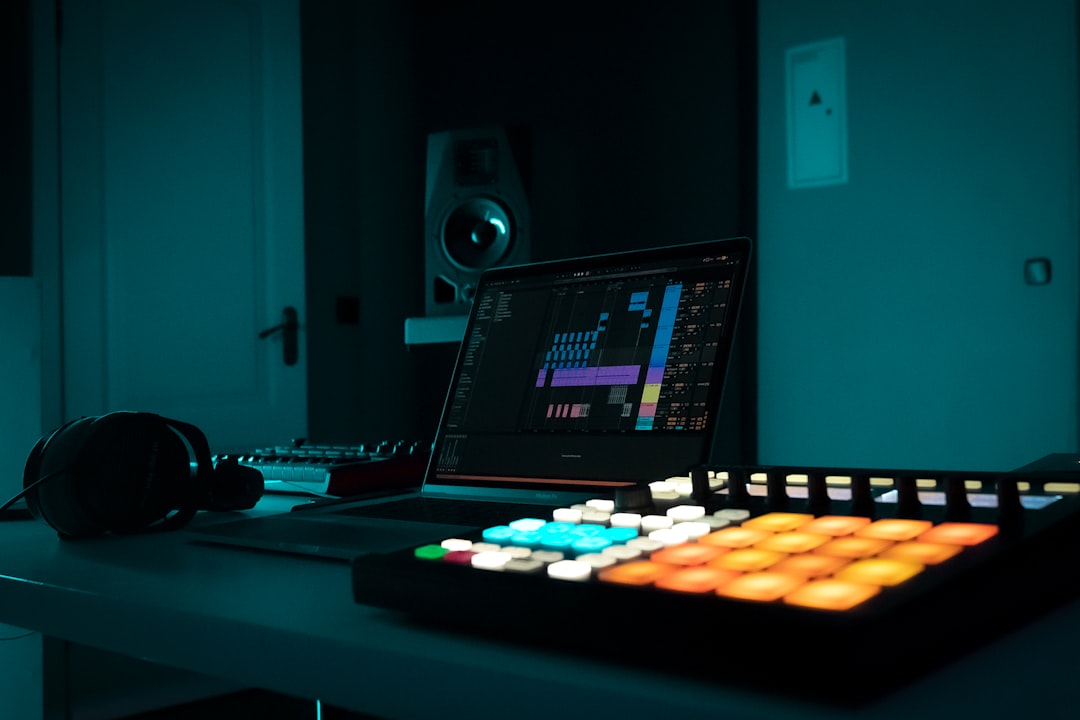
If you want to know how to make boom bap beats, the recipe is short: punchy kicks and cracking snares around 85–95 BPM, a chopped soul or jazz sample, a simple bassline, and a healthy dose of swing and grit. Boom bap is the classic 90s East Coast hip-hop sound, and most of its character comes from sampling and how you process your drums rather than fancy synths.
Below is a practical, step-by-step approach you can follow in any DAW.
How to make boom bap: the core ingredients
Boom bap lives or dies on its drums. The name itself is onomatopoeia for the boom of the kick and the bap of the snare. Aim for:
- Tempo: 85–95 BPM is the sweet spot. Slower feels heavy and head-nodding; faster gets closer to early rap.
- Kick: short, punchy, often not super low. Vintage drum-machine and sampled breakbeat kicks work better than modern 808-style sub kicks.
- Snare: the centrepiece. Layer two or three snares to get a thick crack, and tune them so they cut through.
- Hi-hats: simple closed hats on the off-beats, with the occasional open hat for movement.
Step 1: Build the drum pattern
Start with a four-bar loop. Place kicks on beat 1 and somewhere around the “and” of 2 or beat 3; put snares firmly on beats 2 and 4. Keep it sparse — boom bap grooves come from space, not density. Once the skeleton feels right, nudge a few hits slightly off the grid to add human feel. If you are building beats more generally, our broader guide to making hip-hop beats covers the same foundations.
If you are new to programming drums, the same gain-staging discipline applies as with any session, so it is worth reading our gain staging guide before you start stacking layers.
Step 2: Add swing and the “dusty” feel
Quantising everything to a rigid grid kills the vibe. Apply swing (try 8–16% on 16th notes) so the hats and percussion lope behind the beat. It helps to understand exactly how quantising works in a DAW so you can loosen it deliberately rather than fight it. Classic records were made on hardware samplers like the Akai MPC, whose timing engine gave that signature push-and-pull. Many DAWs include MPC-style swing templates — use them.
To get the gritty texture, run your drum bus through subtle saturation or bit-depth reduction, and a touch of vinyl-style noise. Don’t overdo it; you want warmth, not mud.
Step 3: Chop a sample
The melodic heart of boom bap is usually a sample — a few bars of an old soul, jazz, or funk record. If you are new to the technique, our guide on how to sample music walks through finding and clearing material. The workflow is:
- Find a loop with a strong chord or vocal phrase (use royalty-cleared sample libraries to stay legal).
- Chop it into slices and rearrange them into a new melody.
- Pitch and time-stretch chops to fit your tempo and key.
- Filter the highs slightly and add gentle compression so it sits behind the drums.
If you’d rather play parts yourself, a warm Rhodes, upright bass, or muted horn sample gets you in the same territory.
Step 4: Add bass and texture
Keep the bassline simple — usually it follows the root notes of the sample’s chords. A rounded electric bass or a sine sub works. Sidechain or carve EQ so the kick and bass don’t fight for the low end. Sprinkle in vinyl crackle, a record stop, or a vocal chop for flavour.
Step 5: Arrange the beat
Most boom bap instrumentals follow a loop-based arrangement: 8-bar intro, verse sections, a hook where you bring in extra elements, and breakdowns where you mute the drums to let the sample breathe. Use simple mutes and filter sweeps to create movement.
Step 6: Mix it
Boom bap mixing favours punchy, mid-forward drums over a clean, polished sound. Compress the drum bus for glue, EQ the sample to leave room for the kick and snare, and keep your master loud but not crushed. For the fundamentals, see our EQ and compression guide and our broader mixing and mastering hub. If this is your first full track, the beginner’s guide to mixing your first song walks through the order of operations.
How to choose your drum sounds
Most beginners spend ages on the sample and treat the drums as an afterthought, when it should be the other way round. Your kick and snare carry the whole feel, so audition them in context, not in isolation. A snare that sounds great soloed can vanish once the sample comes in, and a kick that thumps on its own can turn to mush against a bassline.
A few rules of thumb when picking sounds:
- Choose drums that already have character. Vintage breakbeat hits and dusty drum-machine samples come pre-loaded with the room tone, tape colour and slight imperfections that make boom bap feel alive. Pristine, modern one-shots often sound too clinical and need more processing to fit.
- Layer for purpose, not for volume. When stacking snares, give each layer a job: one for the low body, one for the crack or “snap”, and maybe a short reverb tail for space. Tune them to roughly the same pitch so they read as a single hit.
- Mind the low end of the kick. Because the bassline usually sits in the same region, a kick with a tight, controlled low end leaves more room than a long, boomy one. High-pass the kick gently if it clashes with the bass.
- Keep the hats quiet. Closed hats should sit well below the snare. Loud, busy hats are one of the fastest ways to make a beat sound amateurish.
Common mistakes to avoid
If your beats sound stiff, thin or cluttered, the cause is usually one of these:
- Over-quantising. Snapping every hit to the grid removes the human lope that defines the style. Add swing and leave some hits slightly early or late.
- Too many elements. Boom bap is built on space. If you find yourself adding a fourth or fifth layer, mute something instead and let the groove breathe.
- Over-cooking the saturation. A little grit reads as warmth; too much turns the whole mix to mud and crushes the transients that make drums hit hard.
- Ignoring the sample’s key. If the bass and any played parts don’t match the pitch of your chopped sample, the beat will feel unsettled. Find the sample’s key first, then build around it.
- Mixing too clean. Chasing a polished, modern master fights the aesthetic. Aim for punchy and mid-forward, and resist the urge to over-compress the master.
Frequently asked questions
What BPM is boom bap?
Most boom bap sits between 85 and 95 BPM. Slower tempos create the heavy, head-nodding feel the style is known for, while pushing past 95 starts to sound like faster, more energetic rap.
Do I need samples to make boom bap?
No, but it helps. The genre grew out of sampling soul and jazz records. You can replicate the sound by playing your own chords on a Rhodes or upright bass, then processing them with filtering, saturation and vinyl noise to mimic a sampled texture.
What drum machine is used for boom bap?
The Akai MPC series defined the sound, thanks to its swing engine and punchy sampling. You don’t need the hardware today — most DAWs and many free drum plugins reproduce the same workflow and groove.
How do I make my drums hit harder?
Start with the source: pick punchy samples and layer a second snare or kick to thicken the body. Then use bus compression with a fast-ish attack to glue the kit, and carve a little EQ around the muddy low-mids so the transients read clearly. Keeping the rest of the arrangement sparse also makes the drums feel louder without touching a fader.
Why does my beat sound empty compared to the reference?
Usually it is texture, not more instruments. Classic records carry vinyl crackle, room tone and tape colour that fill the gaps between hits. Add subtle background noise, a little reverb on the snare, and percussion fills such as shakers or vocal chops, and the beat will feel fuller without becoming cluttered.



