
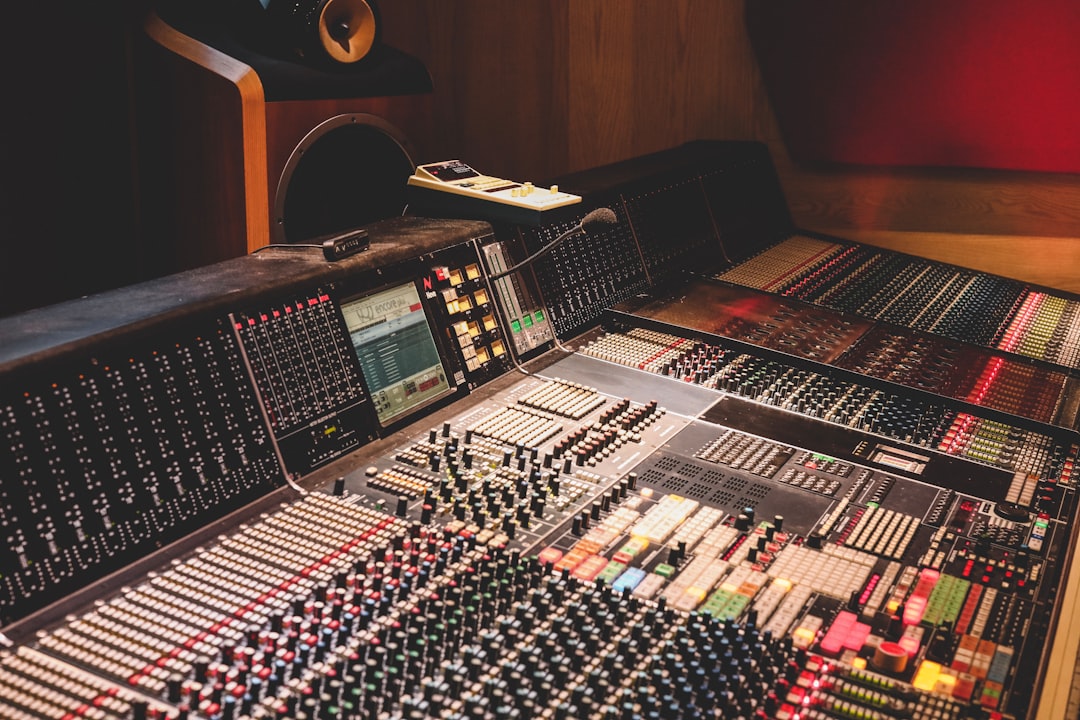
To make reggae you build a groove around the offbeat “skank” on guitar and keys, a relaxed “one drop” drum pattern, a deep and melodic bass line, and a laid-back tempo of roughly 60–90 BPM. Learning how to make reggae is mostly about feel and space — the rhythm emphasises the offbeats and lets the bass carry the song. Here is a practical guide for the home studio.
Reggae grew out of ska and rocksteady in Jamaica and is defined by its rhythm section. Once you understand the offbeat feel and the bass-and-drum interplay (the “riddim”), the rest falls into place.
Set a relaxed tempo and feel
Reggae typically sits between 60 and 90 BPM — slow and spacious compared with most pop. If you are unsure how to read those numbers, our explainer on what BPM means covers the basics. The feel is unhurried and the emphasis is on beats 2 and 4 (the offbeats), the opposite of where rock and pop usually push. Keep everything relaxed and in the pocket; reggae lives on groove, not speed.
Program the one drop drum groove
The classic reggae beat is the “one drop.” Instead of a strong kick on beat 1, the kick and snare hit together on beat 3, leaving beat 1 empty. This creates the genre’s signature floating, weightless feel.
- One drop: kick and snare together on beat 3, hi-hats keeping eighths.
- Rim clicks: a cross-stick snare sound is common and softer than a full hit.
- Other patterns: “steppers” puts a kick on every beat; “rockers” emphasises beats 2 and 4.
Keep the kit warm and not too bright. Set clean levels first with our gain staging guide.
Write a deep, melodic bass line
In reggae the bass is the lead instrument as much as the rhythm. Write a deep, syncopated, melodic bass line with plenty of space and rests — it should be hummable. Use a rounded, warm tone with the highs rolled off, and lock it tightly with the kick drum; our guide to mixing kick and bass together shows how to get that low end tight. The bass and drums together form the “riddim” that the whole track is built on.
Add the skank: guitar and keys on the offbeat
The “skank” is the chopped chord that lands on the offbeats (the “and” of each beat). The rhythm guitar plays short, muted, staccato chord stabs on the offbeats, while a keyboard (organ or piano) often doubles them — the organ version is called the “bubble.” This offbeat chop is the most recognisable element of reggae. Keep the chords clean and the stabs tight. For guitar tone, see how to record electric guitar.
Layer melody, brass and vocals
On top of the riddim, add melodic elements: a horn section (trumpet, trombone, sax) for stabs and lines, organ swells, and a clear lead vocal. Reggae vocals are often relaxed and conversational, sometimes blending singing with toasting (rhythmic, chant-like delivery). Backing harmonies fill out the chorus. Capture vocals cleanly with these recording tips.
Choose chords and a song structure that suit reggae
Reggae harmony is usually simple, which is part of why the groove can stay so hypnotic. Many classic tunes lean on two or three chords cycling around a minor key, or a straightforward I–IV–V progression in a major key. If you are still finding your way around progressions, our walkthrough on making chords for a song is a good starting point. The point is not harmonic complexity — it is leaving enough room for the bass to move melodically underneath and for the skank to ring out clearly. Resist the urge to add lots of chord changes; the repetition is what lets the groove sink in.
Structurally, reggae often follows the same verse-chorus shapes as pop, but with longer instrumental sections where the riddim simply plays and elements drop in and out. Building a strong four- or eight-bar riddim first and looping it, then writing the vocal and horn parts on top, mirrors how Jamaican producers traditionally work — one solid riddim can carry an entire song.
Mix with space and dub-style effects
Reggae mixing leaves room for the bass and drums to breathe. The bass and kick sit low and prominent, the skank stays clean and rhythmic, and the vocal sits clear on top. Spring reverb and tape-style delay are central to the sound — generous, rhythmic delays on the skank, vocals and snare give the dub flavour. Learn the basics in our guide to using reverb and delay, and balance everything with our EQ and compression fundamentals.
A useful trick is to time your delays to the tempo of the track so the echoes fall on the offbeats rather than smearing the groove. On the bass, gentle compression keeps the low end even and steady, while rolling off the very top of the bass tone stops it competing with the skank and vocal — see our full guide to mixing bass for the details. Less is usually more — a reggae mix should feel open, with each part clearly audible rather than crammed together.
Common mistakes to avoid
- Rushing the tempo: playing too fast kills the laid-back feel. If in doubt, slow it down and sit further behind the beat.
- A busy bass line: the bass should be melodic but spacious. Cramming in too many notes removes the space that defines the groove.
- Putting the skank on the beat: the chop must land on the “and,” not on the downbeat. On-beat stabs make it sound like pop or rock, not reggae.
- Over-bright drums: harsh, modern-sounding kits fight the warm, vintage character. Keep cymbals and snares restrained.
- A cluttered mix: too many overdubs crowd out the bass and drums. Strip back until the riddim is doing the work.
Frequently asked questions
What is the one drop in reggae?
The one drop is the classic reggae drum pattern where the kick and snare hit together on beat 3 and beat 1 is left empty. This gives reggae its floating, weightless groove that sets it apart from rock and pop beats.
What is the skank in reggae?
The skank is the short, muted chord stab played on the offbeats — the “and” of each beat — usually on rhythm guitar and often doubled by organ or piano. It is reggae’s most recognisable rhythmic feature.
What tempo is reggae?
Reggae is relaxed, typically running between 60 and 90 BPM. The slow, spacious tempo and the emphasis on the offbeats are what give the genre its laid-back feel.
Can you make reggae entirely in the box?
Yes. With a good drum sampler, a warm virtual bass, an organ or electric piano instrument and a guitar (real or sampled) for the skank, you can build a convincing riddim entirely inside your DAW. The key is programming the groove with the right feel and adding the spring reverb and tape-delay effects that give reggae its character.



