
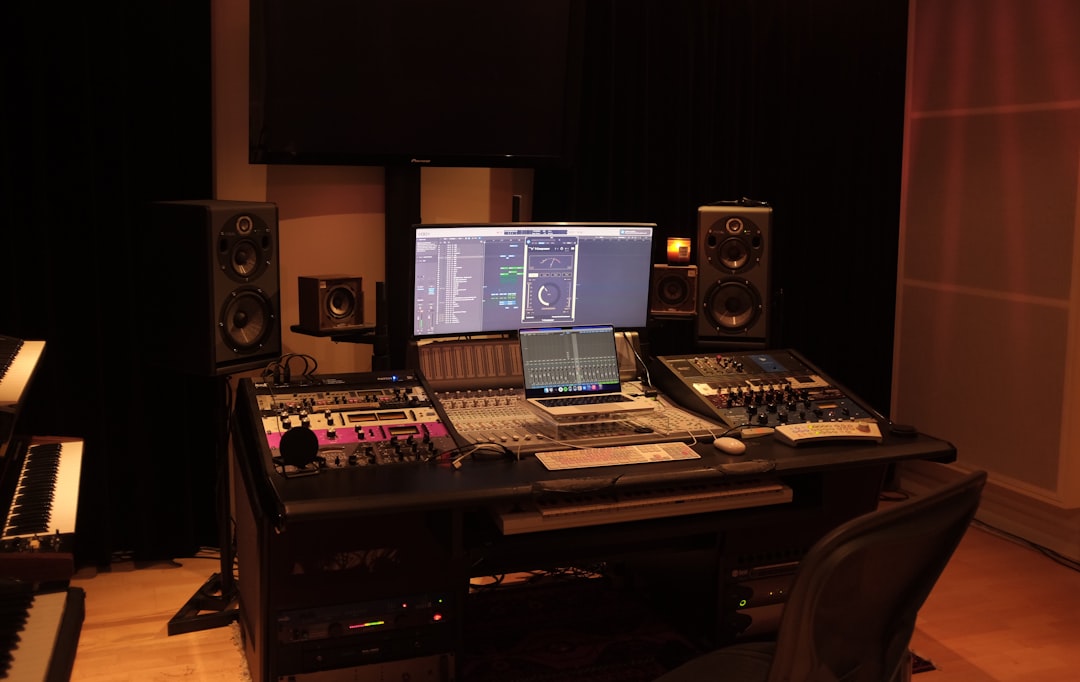
Starting a home studio business is mostly about turning a workable room and a focused skill into a service people will pay for. You do not need a commercial space or a console the size of a car. You need a quiet-enough room, reliable gear, a clear set of services, and a way to keep clients coming back.
This guide walks through the practical steps: deciding what you actually sell, getting the room right, setting honest prices, and finding your first paying clients.
Decide what your home studio business actually offers
The biggest early mistake is trying to be everything. Pick one or two core services and get good at them. Common options for a home setup:
- Mixing — clients send stems, you mix. No room acoustics required for tracking, so this is the easiest to run from a bedroom.
- Mastering — needs a more trustworthy monitoring environment, but is low-footprint once set up.
- Recording / tracking — vocals, voiceover, podcasts, acoustic instruments. This depends most on your room.
- Production — beats, full productions, topline work.
If you are still deciding between the engineering and producing paths, the breakdown in audio engineering vs music production as a career is worth a read. For the mixing-specific route, see how to start a freelance mixing business.
One useful way to choose is to match the service to your room and your strongest skill, not to what looks most profitable. A bedroom with a treated monitoring spot but noisy neighbours is a mixing and mastering business, not a tracking room. A spare room you can isolate reasonably well, plus a voice you can coach, points towards voiceover and podcast recording. Start where your current space already gives you an advantage, then expand the offer once the income justifies treating or soundproofing a better room.
Get the room and gear good enough
“Good enough” beats “perfect” every time when you are starting. For mixing and mastering, your priority is trustworthy monitoring, which means basic acoustic treatment at first reflection points and in corners. For recording clients, control of the room matters even more — read soundproofing vs acoustic treatment so you spend on the right thing.
A realistic starting rig: a reliable audio interface, one or two good microphones suited to what you record, closed-back headphones for tracking, and a treated monitoring position. Build out from the essential home studio gear checklist rather than buying everything at once.
Resist the urge to keep upgrading gear before you have clients. Spend just enough to deliver clean, professional work in your chosen service, then let paying projects fund the next purchase. Learning your room and reference monitoring well enough to make confident decisions matters far more than owning another microphone. Most clients never see your gear list — they judge you on the final result and on how easy you are to work with.
Set prices you can defend
Pricing varies widely by experience, market, genre and scope — there is no single correct number, and anyone who tells you otherwise is guessing. New engineers charge less while they build a portfolio; established ones charge multiples of that. Decide whether you price per song, per project, per hour, or per day, and write down what each tier includes (number of revisions, stems vs full mix, delivery format).
The detailed approach in how to price your mixing services applies to most home studio work: cost your time honestly, look at what comparable providers charge, and raise rates as your results and demand grow.
Sort the boring-but-important admin
Treat it like a business from day one, even part-time:
- Register as a sole proprietor / self-employed where you live (rules vary by country).
- Keep a separate record of income and expenses — gear, software and treatment are usually deductible.
- Use simple written agreements so scope and payment are clear. See how to write a mixing contract for the basics.
- Set up an invoicing method and a deposit policy (taking part upfront protects you).
Get your first clients
Your first few clients usually come from people you already know — bands, local artists, podcasters, online communities. After that, build presence on the platforms where clients actively look: SoundBetter, AirGigs, Fiverr and Upwork all host music services. The best sites to find mixing and mastering clients guide compares them, and how to get mixing clients covers outreach that does not feel like spam.
Whatever you do, publish your work. A small, honest portfolio of real results converts far better than claims. Treat every early project as a sample you can show.
Make the client experience easy to repeat
Winning a client is only half the job; keeping them is where a home studio business actually becomes sustainable. The engineers who stay booked are rarely the ones with the best gear — they are the ones who are easy to work with. That means clear communication about timelines, a tidy way to receive and return files, and a process clients can predict from one project to the next.
Agree the brief before any work starts: reference tracks, the number of revisions included, the file format and sample rate you need delivered, and the deadline. Setting a firm revision policy upfront is the single best way to handle mix revisions without unpaid work creeping in. Label and store every project consistently so you can find a session months later if a client comes back for a tweak. A short follow-up message when a track is released, and an offer to handle their next single, turns one-off work into repeat income and word-of-mouth referrals — which is the cheapest and most reliable source of new clients you will ever have.
Common mistakes to avoid
- Buying gear instead of skill. A new interface will not fix a mix problem that comes down to training your ears and your room.
- Offering too many services. Spreading yourself across mixing, mastering, tracking and production at once usually means doing none of them well enough to charge for.
- Underpricing forever. Starting low to build a portfolio is fine; never raising your rates as demand grows is not.
- No deposit, no contract. Working without a written scope or an upfront payment is how you end up doing endless free revisions for a client who vanishes at invoice time.
- Vague revision limits. If “a couple of tweaks” is not defined in writing, every project risks dragging on unpaid.
Frequently asked questions
Do I need a business licence to run a home studio?
It depends entirely on where you live. Many places let you operate as self-employed or a sole trader with minimal paperwork, while some require local registration or have rules about running a business from a residence. Check your local government and tax authority — and any tenancy or HOA terms — before you start.
Can I really start a home studio business from a bedroom?
Yes, especially for mixing, mastering, voiceover and podcast work, which many professionals run from modest rooms. The limiting factor is your monitoring and skill, not the size of the space. Recording loud full bands is the one area where a small untreated room genuinely holds you back.
How do I price my services when I’m just starting?
Charge less than established engineers while your portfolio is thin, frame your rates as project- or song-based with a clear scope, and raise them as demand and quality grow. Pricing varies a lot by market and genre, so research comparable providers rather than copying one figure.
How long does it take to make a home studio profitable?
There is no fixed timeline, because it depends on your skill, your niche and how consistently you market yourself. Because your overheads are low — you are not paying commercial rent — a part-time home studio can cover its own costs fairly quickly. Reaching a reliable income usually takes longer and tracks closely with the size and quality of the portfolio you can show.



