
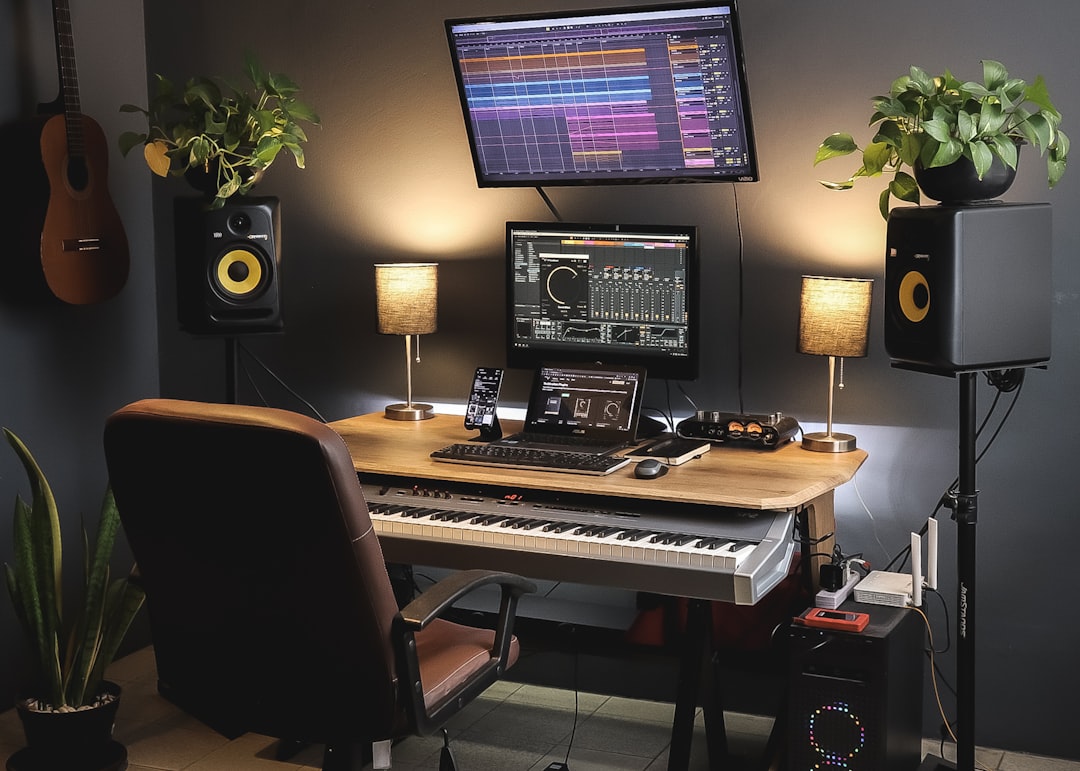
To start selling beats, you need three things ready before anyone pays you: professionally mixed and mastered instrumentals, a clear licensing structure (lease vs. exclusive), and a storefront — either a beat marketplace like BeatStars or Airbit, or your own site. Once those are in place, you promote your catalogue where artists already hang out and let non-exclusive leases do the heavy lifting on volume.
Violet Recording is reader-supported — we may earn a commission from links on this page, at no extra cost to you.
Key takeaways before you sell your first beat
- Quality first: tagged, well-mixed, mastered beats sell; rough loops don’t.
- Licensing is the product: you’re selling usage rights, not the file — leases for volume, exclusives for bigger one-off payouts.
- Pick one storefront to start: a marketplace gives you reach; your own site gives you margin and email addresses.
- Consistency beats luck: a steady upload schedule and real promotion matter more than any single “hit” beat.
What you actually need before you start selling beats
The biggest mistake new producers make is trying to sell before the product is finished. A beat that sounds great in your headphones at 2 a.m. is not the same as a broadcast-ready instrumental an artist can drop vocals onto and release. Before you list anything, make sure each beat is properly arranged (intro, verse, hook, bridge — not just an eight-bar loop on repeat), cleanly mixed, and mastered to a competitive loudness for streaming.
If your mixdowns are inconsistent — some beats loud, some quiet, some muddy — buyers notice immediately and bounce. This is where a mastering step earns its keep. You can master in your DAW if you have the skills and monitoring, or run each beat through an online service like LANDR for a fast, consistent result across your whole catalogue. An AI or online master won’t replace a great mix, but it evens out loudness and polish so your store sounds professional top to bottom. If you want to understand the target, our guide on how to master a song for streaming walks through loudness and format, and AI mastering vs human mastering covers when each makes sense.
You’ll also want a clean, tagged version of every beat. A “producer tag” — a short voice or sound drop over the instrumental — stops people ripping your untagged file and using it for free. The untagged, stems-included version is what the buyer receives after purchase, so keep your project files organised and exportable.
Understand beat licensing before you price anything
Here’s the concept that trips up almost every beginner: when you sell a beat, you’re usually not selling ownership of the beat — you’re selling a licence, which is permission to use it under specific terms. Getting this right protects you legally and lets you sell the same beat many times.
There are two broad models. A non-exclusive lease lets multiple artists license the same beat, each for their own use, typically with caps on streams, sales, or performances. Leases are cheaper, so you sell more of them — this is your volume engine. Different tiers (basic MP3, premium WAV, unlimited, stems/trackout) unlock better file quality and higher usage caps as the price goes up. An exclusive licence means you sell the beat once, remove it from your store, and the buyer gets sole rights. Exclusives cost far more because the artist is buying scarcity.
Prices vary widely by producer reputation and demand, so treat any figure you see online as a starting reference rather than a rule — check what comparable producers in your genre are charging and set tiers that make sense for your level. What matters is that your licence terms are written down clearly and delivered with every sale. Most marketplaces provide standard licence templates you can customise, which saves you from drafting contracts from scratch.
Choosing where to sell: marketplace vs. your own store
You have two realistic routes, and plenty of producers use both.
Beat marketplaces like BeatStars and Airbit are the fastest way in. They handle payments, licence delivery, file hosting, and — crucially — they have built-in discovery, so buyers browsing the platform can find you without you doing all the marketing. They also integrate with the “type beat” ecosystem on YouTube that drives most beat sales today. The trade-off is fees, more competition on the same page, and less control over your brand and customer data.
Your own website (often a marketplace-powered store embedded on your domain) gives you higher margins, full branding, and — the underrated part — direct access to buyer emails so you can sell to the same customers again. The catch is that nobody lands on your site by accident; you’re responsible for 100% of the traffic. The smart sequence for most people is to start on a marketplace to learn what sells and build an audience, then layer in your own store once you have repeat buyers worth owning the relationship with.
Set up your storefront and catalogue the right way
Whichever route you pick, presentation sells. Give every beat a clear, searchable title that includes the vibe and, where honest, a “[type] type beat” tag matching how artists actually search. Tag each track with genre, mood, BPM, and key — artists filter by these constantly, and a beat with no key or tempo listed feels like an afterthought. Use consistent, professional cover art so your page looks like a brand, not a folder dump.
Organise your catalogue so the strongest beats sit up top and slower sellers don’t bury them. Keep your licence tiers identical across the catalogue so buyers learn your pricing once and don’t have to re-decode it per track. And make the buying flow frictionless: the fewer clicks between “I like this” and “I paid,” the more you sell. If you’re building the store on your own domain, our overview of the best online mastering services is worth a read so every upload meets the same loudness bar before it goes live.
Getting your first buyers (the part nobody skips)
Uploading beats is not selling beats. Distribution is the difference between a dead store and a paying one, and for instrumentals the engine is content — mostly on YouTube and short-form video. Producers who consistently post “type beats” (instrumentals styled after a popular artist so they surface in relevant searches) build steady inbound demand because artists actively search those terms looking for something to rap or sing over.
Beyond content, the fundamentals still apply: be present where artists gather (Instagram, TikTok, Discord servers, producer forums), respond quickly to enquiries, and collect emails so you can announce new drops to people who already like your sound. If you also offer mixing services on the side, the same audience overlaps — our list of the best sites to find mixing clients and the wider music business hub can help you turn one skill into several income streams. The producers who win aren’t usually the most talented; they’re the most consistent at shipping beats and showing up.
Handle the business side so you keep your money
Once sales start, treat this like the business it is. Use a payment processor the marketplace supports (PayPal and Stripe are standard) and keep records of every sale and licence issued — you’ll want them at tax time and if a usage dispute ever comes up. Deliver files promptly and exactly as the licence promises; a producer with a reputation for clean, professional delivery gets repeat buyers and referrals.
Reinvest early earnings into the things that compound: better sample libraries, a stronger mix chain, consistent mastering so your catalogue always sounds finished, and promotion. Selling beats rarely becomes overnight income — it’s a catalogue business where each upload is a small asset that can keep earning for years. Stack enough good beats behind good licensing and steady promotion, and the numbers start working in your favour.
Frequently asked questions
Do I need to master my beats before selling them?
Yes — or at least deliver them at a consistent, competitive loudness. Buyers compare your store to hundreds of others, and beats that sound quiet or muddy get skipped. You can master in your DAW or use an online service like LANDR to keep quality even across your whole catalogue; pricing varies, so check the provider’s current pricing.
What’s the difference between a lease and an exclusive licence?
A lease is a non-exclusive licence — you can sell the same beat to many artists, each under usage caps, which is how you earn volume. An exclusive licence sells the beat once, takes it off your store, and hands sole rights to one buyer, so it commands a much higher price. Most producers offer both.
Where should a beginner start selling beats?
Start on an established marketplace like BeatStars or Airbit. They handle payments, licence delivery, and hosting, and they come with built-in buyer traffic, so you can learn what sells before investing in your own branded store. Add your own website later once you have repeat customers worth owning the relationship with.



