
Beat making is the craft of building the instrumental foundation of a song (drums, bass, chords, and melody) usually inside a computer or groovebox, and this guide is for new producers who want to go from an empty project to a finished beat. It also introduces the genres you’re most likely to produce, from boom bap and trap to house and lofi, and what makes each one tick.
Every style has its own rules, but the workflow underneath is remarkably consistent. Learn that workflow once and switching from drill to Afrobeat becomes a matter of changing tempo, swing, and sound selection.
The building blocks of a beat
A beat is organized in bars, and in most modern genres each bar holds four beats. Knowing how many beats are in a bar and how they’re counted makes it far easier to program drums and line up loops. From there, most beats are built in the same order:
- Drums: kick, snare or clap, and hi-hats set the tempo and the feel.
- Bass: an 808 or bassline that locks to the kick.
- Harmony: chords or a sample that sets the mood.
- Melody: a hook or counter-melody that gives the beat an identity.
Starting with drums isn’t mandatory, and many producers begin with a sample or a chord loop instead. What matters is getting a strong four or eight bar idea before worrying about arrangement. Our step-by-step on making your first beat follows this order, and beat making tips for beginners collects the advice that saves the most time early on.
Tools: software, grooveboxes, and browser options
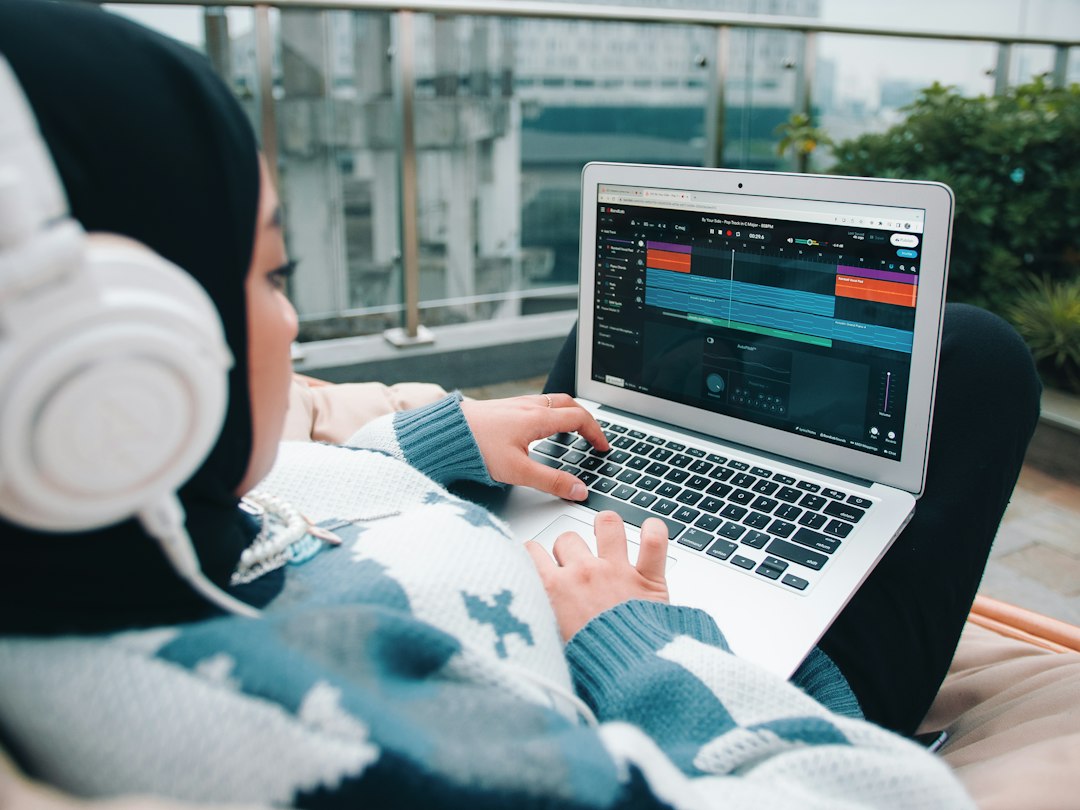
You don’t need much to start. A DAW, a pair of headphones, and a few drum samples are enough. Our list of the best beat making software compares the popular choices, including free ones. For a deeper look at choosing and learning a DAW, see our DAW guide.
Some producers prefer hardware they can play with their hands away from the screen. A groovebox combines drum machine, sampler, and sequencer in one box; the best grooveboxes list compares the options. If you want to try ideas right now without installing anything, the free online beat maker runs in your browser with nothing to install.
Programming drums that groove
Drums carry most of a beat’s personality. Rigid, perfectly quantized patterns sound mechanical, while small timing and velocity changes make them breathe. That feel is what producers call groove, and adding groove to a beat covers swing, ghost notes, and velocity variation.
Hi-hats deserve special attention, especially in trap and drill where rolls and triplets define the style. Writing a hi-hat pattern starts simple and builds up to those rolls. To study classic patterns, the breakdowns of hip-hop drum patterns and trap drum patterns give you rhythms to copy, then change. Layering a second clap under a snare, or a short transient on top of a soft kick, is another way to get drums that cut through, as explained in layering drums in a beat.
A quick tour of the genres
Each genre is a recipe of tempo, rhythm, and sound choices. The free genre BPM chart gives typical tempo ranges so you can set up a project correctly from the start.
Hip-hop, trap, and drill
Boom bap is the dusty, sample-based sound with swung drums and a hard snare; making boom bap beats covers chopping and swing. Trap moves to sliding 808s, sparse kicks, and rapid hi-hats, explained in how to make trap beats. Drill takes trap’s tools and adds sliding bass and off-kilter, syncopated drums; making drill beats walks through the rhythm that defines it. Phonk sits nearby, with cowbell melodies and Memphis rap samples, and the funk vs phonk comparison clears up a frequent mix-up.
House, electronic, and global styles
House is built on a steady four-on-the-floor kick with offbeat hats, but it spans many moods; types of house music maps the main branches. Afro house blends that pulse with African percussion and vocals, covered in what Afro house is, while making Afrobeat beats focuses on the bouncing, percussion-led rhythms of the wider Afrobeats sound. Jersey club is defined by its fast, chopped kick patterns and bed-squeak samples, explained in what Jersey club is.
Lofi and ambient
Lofi trades punch for warmth: slow tempos, jazzy chords, vinyl noise, and loose drums. Making lofi music explains how to get that worn, cozy texture without making the beat sound muddy.
Finishing beats and getting them heard
A loop isn’t a beat until it has structure. Most beats need room for verses and hooks, with changes every eight or sixteen bars to keep a vocalist and listener engaged; structuring a beat covers common layouts. Once arranged, a clean mix makes a big difference, and mixing a beat covers the essentials before you move on to our full mixing and mastering guide.
If you plan to sell beats, protect them first. A short producer tag discourages people from using them without paying, and adding a producer tag shows how to place it without ruining the listening experience. Then compare the best sites to sell beats, and learn the difference between leases and exclusive rights in exclusive vs non-exclusive beat licenses before you set prices.
Explore the Beat Making & Genres guide
Start here
- Types of House Music Explained
- What Is Afro House?
- What Is Jersey Club?
- What Is Lofi Music?
- What Is Hyperpop?
- What Is Boom Bap?
How-to guides
- How Many Beats Are in a Bar?
- How to Add a Producer Tag to Your Beats
- How to Make Boom Bap Beats
- How to Make Drill Beats
- How to Tag Your Beats
- How to Make a Beat Online for Free
- How to Make Phonk
- How to Make Trap Beats
Gear picks
- The Best Beat-Making Software
- The Best Sites to Sell Beats
- The Best Websites to Sell Beats
- The Best Grooveboxes
- The Best Drum Patterns for Hip Hop
- The Best Drum Patterns for Trap
Comparisons & reviews
Free tools
Beat MakerDrum MachineLoop MakerGenre BPM ChartBPM Tap Tempo
Frequently asked questions
How long does it take to learn to make beats?
Most people can make a simple, listenable beat within a few weeks of regular practice. Making beats that sound polished enough to sell or release usually takes much longer, because it depends on sound selection, mixing, and arrangement skills that develop over time. Finishing one beat a day, even a rough one, is one of the fastest ways to improve.
Do I need to know music theory to make beats?
No, but a little helps. Many successful producers work entirely by ear, using scale highlighting in the piano roll and borrowing chords from samples. Learning basic scales, a few chord progressions, and how to stay in key will speed things up and help your melodies sound intentional. You can pick that up gradually alongside making beats.
What BPM should my beat be?
It depends on the genre. Boom bap tends to sit in the eighties and low nineties, house around the low to mid one-twenties, and trap and drill are often programmed at fast tempos with a half-time feel. Check a genre tempo chart, then adjust by ear until the groove feels right for the vocal style you have in mind.
Can I make beats without a keyboard or instruments?
Yes. You can click notes into a piano roll with a mouse, use loops and samples, or play drums on your computer keyboard. A small MIDI keyboard or pad controller makes it faster and more expressive to play in ideas, but it isn’t required. Plenty of producers make entire beats with just a laptop and headphones.
Can I sell beats that use samples from other songs?
Beats built on samples from released songs usually need clearance from the owners of both the recording and the composition before they can be sold or released commercially. Uncleared samples can lead to takedowns or claims. Royalty-free sample packs avoid most of this, but read their license terms and consult a music lawyer for anything uncertain.
How do I tune an 808 to the key of my beat?
Tune an 808 by finding the key of the beat, then setting the 808 sample’s root pitch so it plays correct notes in the piano roll. A tuner plugin on the 808 shows its pitch, and a BPM and key finder helps when working from a sample. An out-of-tune 808 clashes with the chords even when it sounds loud.
Why does my beat sound good in headphones but bad elsewhere?
A beat that sounds great in headphones but weak on speakers usually has a low end or stereo image that does not translate. Check the mix on a phone speaker, a car and earbuds, and compare it with released tracks in the same genre. Adding harmonics to the 808 helps bass stay audible on small speakers.
Can I make beats on a Chromebook?
A Chromebook can make beats with browser-based beat makers and online DAWs, which run without installing software. Full desktop DAWs such as FL Studio or Ableton Live generally need Windows or macOS. Check the developer’s official site for Chromebook support, and be aware that browser tools depend on a steady internet connection.
What files should I send an artist when they buy a beat?
Artists usually get an MP3 or tagged preview for listening, and a high-quality WAV once a lease is purchased. Higher-tier licenses often include trackout stems, meaning separate WAV files for each instrument, so an engineer can mix vocals properly. Spell out which files each license includes before setting prices.