
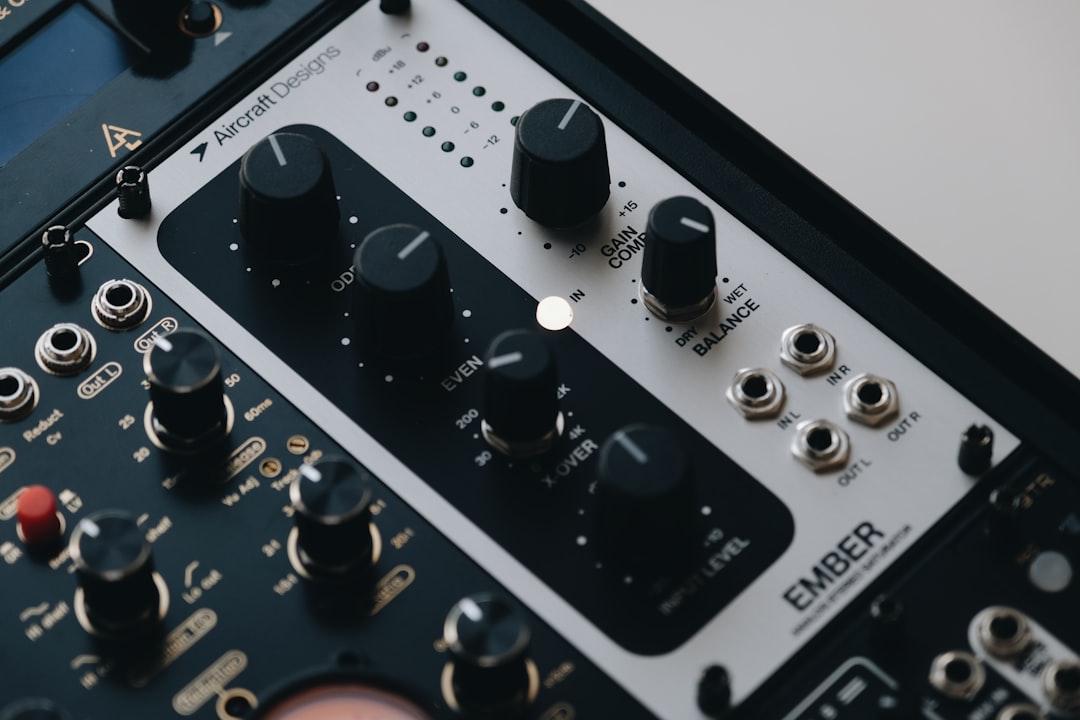
The short answer to modular vs semi-modular: a semi-modular synth is pre-wired so it makes sound the moment you turn it on, with a patch bay for optional rerouting, while a fully modular system makes no sound until you patch it together from separate modules. Semi-modular is the easier, cheaper, more self-contained starting point; fully modular is the open-ended, build-it-yourself instrument. Most people are better off starting semi-modular and growing from there.
Quick answer: Want to make music today and learn patching gradually? Choose semi-modular. Want total freedom to design the signal path and expand endlessly? Choose modular. They are not rivals so much as two points on the same spectrum.
If the underlying concepts are new, read what a modular synth is and what Eurorack is first.
What “semi-modular” actually means
A semi-modular synth has its modules built in and internally wired with a default signal path, so it plays out of the box like a normal synth. The difference is a patch bay: you can override that internal routing by plugging cables in, sending signals where you want. Popular examples include the Moog Mother-32, Moog Matriarch, Behringer’s semi-modular instruments, and Arturia’s brute-family designs which expose patch points; our roundup of the best semi-modular synths covers how these models compare.
Because the basics are wired for you, you learn patching one connection at a time without the system going silent. The internal connections are “normalled” — meaning the signal flows through them automatically until you insert a cable, which breaks the default route and substitutes your own. That single design idea is why a semi-modular feels safe to experiment on: there is always a working patch underneath waiting for you to come back to.
What “fully modular” means
A fully modular system — most commonly Eurorack — is a collection of separate modules in a case with no fixed connections. Nothing makes sound until you patch an oscillator into a filter into a VCA and so on. You choose every module, so you design the instrument’s character and capabilities yourself. That is the appeal and the responsibility: maximum flexibility, but you assemble (and power, and budget) it all. See our essential Eurorack modules guide for what a complete voice needs, and our walkthrough on how to patch a modular synth for the routing fundamentals.
Side-by-side comparison
| Factor | Semi-modular | Fully modular |
|---|---|---|
| Makes sound out of the box | Yes | No — you must patch it |
| Learning curve | Gentle | Steeper |
| Flexibility | Good, within its built-in modules | Effectively unlimited |
| Up-front cost | Lower, self-contained | Open-ended, grows over time |
| Portability | Usually one tidy unit | Depends on case size |
| Best for | Beginners, songwriting, gigging | Sound design, experimentation |
The case for starting semi-modular
Semi-modular is the most forgiving entry into this world. You get a complete, playable instrument immediately, and you can start patching when curiosity strikes. Many semi-modulars are Eurorack-compatible too, so a Moog Mother-32 can later sit inside a Eurorack case and become the heart of a growing modular system. That makes it a low-risk first step rather than a dead end. Our Eurorack for beginners guide leans on exactly this approach.
When fully modular is the better choice
Go fully modular if you already understand synthesis, crave a specific signal path no fixed synth offers, or love the process of building an instrument over time. Fully modular shines for generative patches, evolving ambient textures and deep sound design — areas where modules like Mutable Instruments Marbles (randomness) or Plaits (a flexible voice) really sing. Just budget realistically; our guide on how much Eurorack costs covers the variables.
How to choose: a quick decision framework
If you are still on the fence, work through these questions in order and let the first honest “yes” point you to your answer.
- Do you want to play songs this week? If you need an instrument that performs reliably with minimal setup, semi-modular wins. A fixed default patch means you can switch on, dial a sound and record without troubleshooting cables.
- Is budget your main constraint? Semi-modular gives you a complete voice at a known, contained price. A modular case is an open wallet: power, the case itself, and every module add up before you make a single note.
- Do you already know how synthesis signal flow works? If oscillators, filters, envelopes and VCAs are second nature, you will get more from the freedom of modular. If those words are fuzzy, semi-modular teaches them gently.
- Do you crave one specific, unusual signal path? If you have a clear sound-design goal that no off-the-shelf synth delivers — complex feedback routing, multiple modulation sources cross-patched, generative randomness — that is exactly what modular is for.
- How important is portability? Gigging and small-desk setups favour a single self-contained semi-modular unit over a case full of loose cables.
Notice that most beginners answer “yes” to one of the first two questions, which is why the standard advice is to start semi-modular. There is no shame in that route — some of the most respected patchers work entirely within one or two semi-modular boxes.
Common mistakes to avoid
A few predictable traps catch newcomers to patchable synths. Knowing them in advance saves money and frustration.
- Buying a big modular case first. The most common and most expensive mistake. People fall for the look of a packed rack and spend heavily before they know what they actually want to patch. Start small, learn what you reach for, then expand around it.
- Forgetting the case and power budget. With fully modular, the case, power supply and patch cables are real costs that the shiny modules distract from. Factor them in from the start so you are not stranded with modules you cannot yet power.
- Ignoring a VCA. Beginners often patch an oscillator straight into the output and wonder why nothing responds to their envelope. A voice needs an amplifier stage to shape its volume over time; if the difference between VCO, VCF and VCA is hazy, semi-modulars hide this for you, but in modular it is your responsibility.
- Confusing audio and control voltage. Modular treats audio signals and modulation (CV) as the same kind of voltage, which is powerful but confusing at first. Patch slowly and listen, rather than connecting everything at once.
- Recording too hot. Modular and many semi-modulars output a stronger signal than a typical line input expects, so takes can clip. Set levels carefully — our guide on recording a hardware synth walks through clean gain staging.
You can have both
The two are not mutually exclusive. A common, sensible setup is a semi-modular as a reliable voice plus a small Eurorack case for modulation, randomness and effects. You play the semi-modular and patch the modular into it for movement. However you combine them, capturing the result cleanly matters — modular runs hot, so see recording a hardware synth for clean takes.
Frequently asked questions
Is a semi-modular synth a real modular synth?
It is a hybrid. The modules are built in and pre-wired, so it plays like a normal synth, but the patch bay lets you reroute signals like a modular. It is genuinely modular in spirit while staying self-contained and beginner-friendly.
Should a beginner choose modular or semi-modular?
Semi-modular, in most cases. You get a playable instrument immediately and learn patching gradually without the system going silent. Many semi-modulars also fit a Eurorack case, so they grow with you into a full system.
Can I expand a semi-modular into a full modular setup?
Often, yes. Many semi-modulars like the Moog Mother-32 are Eurorack-compatible, so you can place them in a case and add modules around them. That makes semi-modular a natural stepping stone toward fully modular.
Do I need to know synthesis before buying either one?
No, but it helps. A semi-modular is a gentle teacher because the default patch keeps making sound while you experiment one cable at a time. Fully modular is far easier once you already understand oscillators, filters, envelopes and VCAs, so if you are starting from scratch the semi-modular route will get you there with less frustration.
Shop related gear
Start patching without a full modular rig:
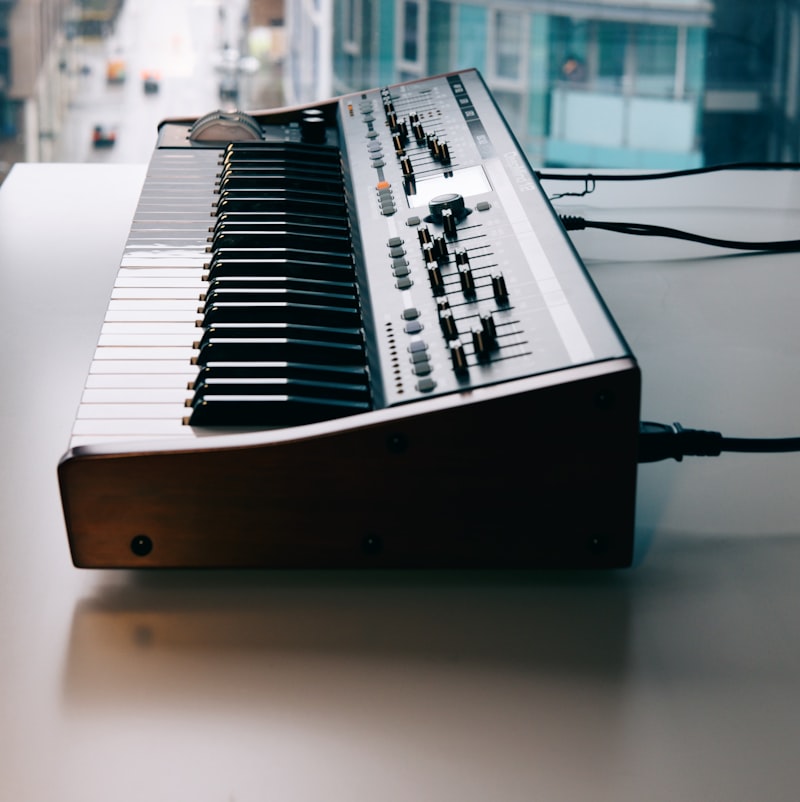
Patchable analog sound design with no cables required to start.