
The best semi-modular synths give you the best of both worlds: a complete instrument that makes sound the moment you switch it on, plus a patch bay that lets you rewire and experiment like a full modular system. Standout choices include the Moog Mother-32, Behringer Neutron, Make Noise 0-Coast, and Arturia MiniBrute 2.
Violet Recording is reader-supported — we may earn a commission from links on this page, at no extra cost to you.
Quick answer
For classic analog character and Eurorack-friendliness, the Moog Mother-32 and Subharmonicon are hard to beat. For value and patching depth, the Behringer Neutron offers a lot per dollar. For something more experimental, the Make Noise 0-Coast takes a West Coast approach, while the Arturia MiniBrute 2 pairs a full keyboard with a generous patch bay.
What “semi-modular” actually means
A semi-modular synth has its signal path pre-wired internally, so it plays in tune and makes sound with no patch cables at all. The patch points are normalled, meaning the default connections work until you plug a cable in to override them. That makes semi-modular gear far less intimidating than a fully patchable system.
This sits neatly between a fixed-architecture synth and Eurorack. For the full comparison, read modular vs semi-modular synths, and if the wider format is new to you, what is a modular synth sets the scene. The patching itself relies on CV and gate signals, which are the language all of these instruments speak.
Why choose a semi-modular synth
- Instant gratification. It works out of the box, so you make music immediately.
- A gentle on-ramp to modular. The patch bay teaches you signal flow without the cost or paralysis of a blank Eurorack case.
- Eurorack compatibility. Most use the same voltages and connectors, so they integrate into a Eurorack system later.
- Strong analog character. Many semi-modulars are all-analog with characterful filters, sitting comfortably among the best analog synths for warmth and grit.
How to choose the best semi-modular synth
Keyboard or desktop
Some semi-modulars include keys (Arturia MiniBrute 2), while many are desktop or tabletop modules you sequence or play from a controller. See desktop vs keyboard synths if you are unsure which suits you.
Patch-bay depth
More patch points mean more creative rerouting, but also a steeper learning curve. Beginners may prefer a focused bay; tinkerers will want as many points as possible.
Sound character
East Coast (subtractive) designs like the Mother-32 feel familiar, while West Coast designs like the 0-Coast favour wavefolding and complex timbres. Choose based on the sounds you are drawn to.
Eurorack plans
If you might build a rack later, check the format. Several semi-modulars fit straight into a Eurorack case, letting them double as a starter voice. Our guide on how to start a Eurorack system covers that path.
Sequencing and play options
Look closely at how each instrument expects to be played. A built-in step sequencer means you can write a riff and let it loop while both hands are free to patch and tweak, which is a huge part of the appeal. If a model has no sequencer, plan for a keyboard, an external sequencer, or your DAW sending notes. Also check the input options: most accept MIDI for pitch and timing, but the more interesting performances often come from sending CV and gate from another module so everything moves together.
Budget and what it really buys you
Price differences usually reflect the filter and oscillator design, build quality, the number of patch points, and whether the synth is hand-built or mass-produced. Spending more does not automatically mean a better fit. A focused, affordable instrument you understand fully will inspire more music than a deep, expensive one that overwhelms you. Decide what you actually want to do first, then buy the smallest synth that does it well.
How semi-modular patching works in practice
Because the signal path is normalled, you start by playing the synth as a normal instrument: tweak the cutoff, adjust the envelope, dial in an LFO. The fun begins when you take a single patch cable and override one of those internal connections. A classic first patch is sending an LFO into the filter cutoff for a slow sweep, or routing the envelope to pitch for a percussive blip. If you want a structured walkthrough of the cabling, our guide on how to patch a modular synth applies directly here.
From there you can build feedback loops, cross-modulate oscillators, or use one envelope to trigger several destinations at once. Nothing you do with a patch cable can damage the synth, so experimentation is safe. The best way to learn is to make one change at a time and listen to exactly what it does before adding the next cable.
Common mistakes to avoid
- Buying for the patch count alone. A huge patch bay looks impressive but can stall a beginner. Depth matters less than understanding what each point does.
- Ignoring how you will play it. A desktop module with no keyboard or sequencer needs a controller before it makes melodies, so factor that into the budget.
- Forgetting about levels. Analog synth outputs are hot and can overload an interface input. Set gentle gain and watch your meters.
- Expecting presets. Most analog semi-modulars do not save patches. The sound lives in the knob positions and cables, so photograph a patch you love before you tear it down.
- Overlooking the manual. The normalled connections differ between instruments, and the manual is the fastest way to learn what each patch point overrides.
Compared at a glance
| Pick | Why it stands out |
|---|---|
| Moog Mother-32 | A classic analog semi-modular with a Moog ladder filter, a built-in sequencer, and a deep patch bay. |
| Behringer Neutron | A paraphonic analog semi-modular with two oscillators and an unusually large patch bay for the price. |
| Make Noise 0-Coast | A West Coast-inspired desktop synth with wavefolding, a slope generator, and a contour generator instead of a… |
| Arturia MiniBrute 2 and 2S | These pair a characterful analog voice with a generous patch bay and either a keyboard (MiniBrute 2) or a sequencer… |
Full picks and details below.
The best semi-modular synths to consider
Confirm current specs and availability before buying, as lineups change.
Moog Mother-32
A classic analog semi-modular with a Moog ladder filter, a built-in sequencer, and a deep patch bay. It tunes up beautifully and fits Eurorack, and it pairs naturally with Moog’s DFAM and Subharmonicon. See the wider Moog range for how it fits in.
Behringer Neutron
A paraphonic analog semi-modular with two oscillators and an unusually large patch bay for the price. It is a popular, affordable way to learn patching, and part of the broader Behringer lineup.
Make Noise 0-Coast
A West Coast-inspired desktop synth with wavefolding, a slope generator, and a contour generator instead of a traditional filter-led path. It is brilliant for unconventional, organic sounds.
Arturia MiniBrute 2 and 2S
These pair a characterful analog voice with a generous patch bay and either a keyboard (MiniBrute 2) or a sequencer (2S). They bridge a playable synth and a modular starter neatly, and sit within the Arturia hardware range.
Getting sound into your studio
Semi-modulars usually output a hot analog signal, so set your levels carefully and capture them cleanly. Our guide on recording a hardware synth walks through the chain. A single semi-modular plus a small sequencer can be a complete, inspiring setup on its own.
Because most analog models cannot store patches, treat recording as part of your workflow rather than an afterthought. When you stumble onto a sound you love, capture a long take straight away, including a few variations as you turn knobs, so you have raw material to edit later. Many producers record several minutes of a patch evolving, then chop the best moments into a track. That habit turns the synth’s lack of presets from a limitation into a creative prompt.
Frequently asked questions
Is a semi-modular synth good for beginners?
Yes. Because it works without patching, you can make music immediately and add cables as you learn. It is one of the friendliest ways to understand modular-style signal flow, and it sits comfortably alongside the other best hardware synths for beginners.
Can I use a semi-modular synth with Eurorack?
Most semi-modulars use Eurorack-compatible voltages and connectors, and several physically fit into a Eurorack case. Always check the specific model, but compatibility is common.
Do I need other gear to play a desktop semi-modular?
To play it melodically you will want a keyboard, sequencer, or your DAW sending MIDI or CV. Many models include a built-in sequencer, so you can get started with nothing else.
Can a semi-modular synth be my only synth?
It can, especially if it has a built-in sequencer and a filter you enjoy. One characterful analog voice, multitracked and layered, goes a long way. Many people own a semi-modular for years before adding anything else, treating the patch bay as their playground for new sounds.
Do semi-modular synths save their patches?
Most all-analog models do not, because the sound is set by physical knob positions and cables. Some newer or hybrid designs add preset memory, but if recall matters to you, confirm it on the specific model. Otherwise, photograph a patch you want to keep before changing it.
Shop related gear
Patchable sound design, no cables needed to begin:
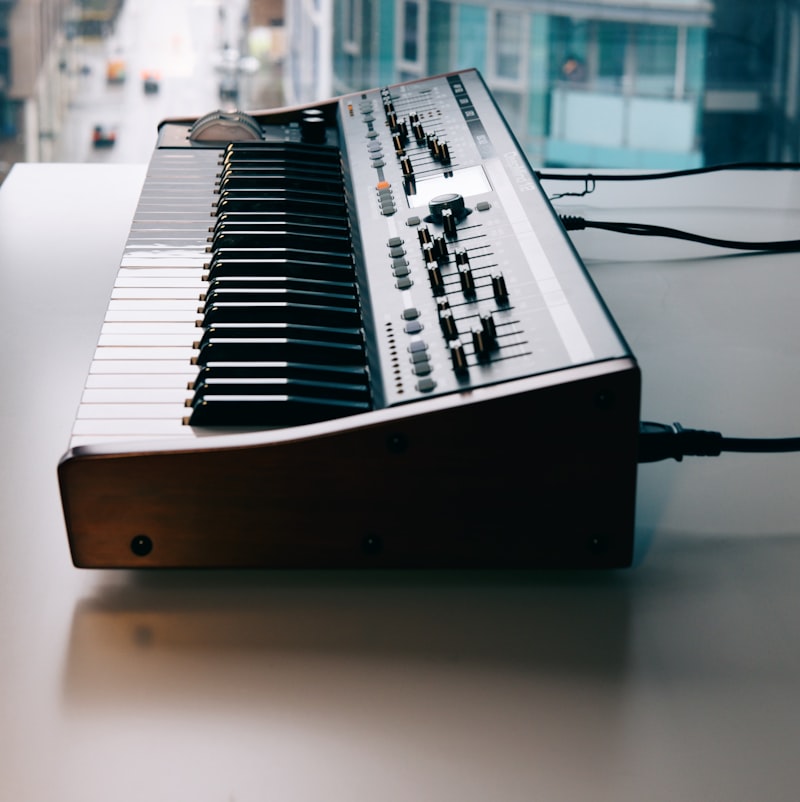
Patchable analog sound design with no cables required to start.