
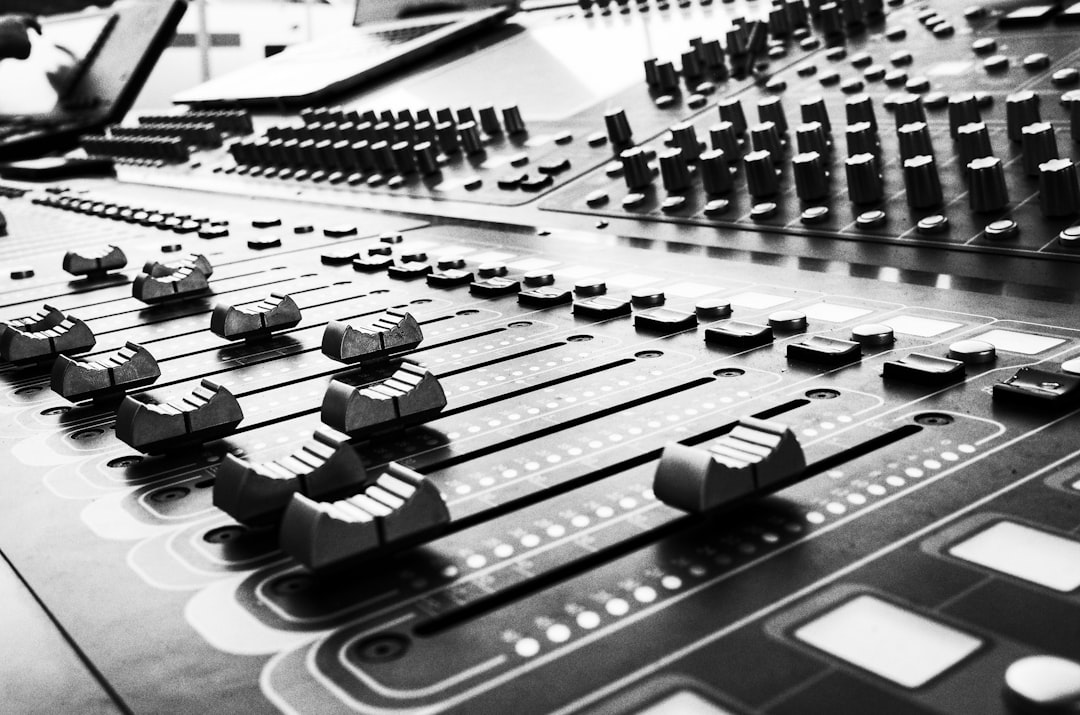
So what does an audio engineer do? In short, an audio engineer captures, edits, shapes and balances sound so that a recording, broadcast or live performance sounds the way it’s meant to. That’s a deliberately broad description, because “audio engineer” covers several quite different jobs. Some spend their days tracking vocals in a studio; others mix records, master finished songs, run sound at concerts, or design audio for film and games.
The core job: managing sound from source to output
At its heart, the work is about controlling signal — getting sound in cleanly, then shaping it. That means setting levels and gain staging correctly, choosing and placing microphones, using EQ and compression to balance a mix, and delivering a final file that meets technical standards. A strong grasp of EQ and compression fundamentals sits underneath almost everything an engineer does, whatever the format.
It helps to picture the work as a chain. Sound starts as an acoustic event — a voice, a guitar, a kick drum — and the engineer’s job is to move that event through each stage without losing quality or introducing problems. A clean recording at the source saves hours of corrective work later, which is why experienced engineers fuss over the things you can’t fix afterwards: the room, the mic position and the performance. Once the signal is captured well, the rest of the job is about decisions — what to keep, what to tame, and what to push forward in the balance.
The main types of audio engineer
Most engineers specialise. The common roles include:
- Recording (tracking) engineer — sets up sessions, places mics and captures clean takes.
- Mixing engineer — balances all the recorded tracks into a cohesive song.
- Mastering engineer — applies the final polish and prepares the track for release.
- Live sound engineer — runs front-of-house or monitors at concerts and events.
- Post-production / game audio engineer — handles dialogue, effects and audio for film, TV and games.
For a fuller breakdown, see our guide to the different types of audio engineering jobs. Each role shares the same fundamentals but rewards a different set of strengths.
A typical day depends on the role
A studio recording day might involve setting up a live room, soundchecking, capturing takes and doing rough edits. A freelance mixing engineer might spend the day at a desk balancing a song and sending revisions to a client. A live engineer’s “day” is often an evening: load-in, line check, the show, then load-out. The variety is part of the appeal. If you’re curious about the rhythm of the work, our day in the life of an audio engineer walks through it in detail.
The skills behind the job
Good engineers combine technical knowledge with a trained ear and people skills. You need to understand the gear and the software, but you also need to hear what a mix needs and communicate clearly with artists and clients. The skills every audio engineer needs include critical listening, signal flow, problem-solving under time pressure, and patience. Much of this is built through repetition — recording, mixing and listening back, over and over.
Critical listening is the skill that separates a competent engineer from a great one, and it is the slowest to develop. It means being able to hear that a vocal is masked by a guitar in a narrow frequency band, or that a snare needs more attack rather than more level, and then knowing which tool fixes it. People skills matter just as much in practice: an artist who feels comfortable and unhurried will give better takes, and a session that runs smoothly socially almost always sounds better than a tense one.
Engineer vs producer — not the same thing
People often confuse the two roles. An engineer is primarily responsible for the technical capture and treatment of sound; a producer guides the creative direction of a record. In small projects one person often does both, which blurs the line. If that distinction matters to you, read producer vs engineer for a clear comparison.
How people become audio engineers
There’s no single route. Some study at a music or audio school, some intern at studios and work their way up, and many are largely self-taught using affordable home setups. If the job appeals, our guide on how to become an audio engineer lays out the practical steps from beginner to paid work.
How to start practising the craft
You don’t need a commercial studio to begin doing real audio engineering. A modest home setup — an interface, one decent microphone, a pair of headphones and a digital audio workstation — is enough to learn the whole signal chain end to end. The fastest way to improve is to work on actual material: record a friend singing, mix a multitrack you downloaded, then compare your result to a professional reference and ask what is different and why.
A few habits make a disproportionate difference early on:
- Fix problems at the source. Reposition the mic or treat the room before reaching for a plugin. Capture quality sets the ceiling for everything downstream.
- Reference constantly. Check your mix against commercial tracks in the same genre, and listen on more than one set of speakers or headphones.
- Take breaks. Ears fatigue quickly. Short, fresh listening sessions beat long ones where your judgement has drifted.
- Finish things. A completed, imperfect mix teaches more than ten projects you abandon halfway through.
Common mistakes beginners make
The most frequent early error is mixing too loud, which flatters everything and hides problems you’ll hear painfully later at a sensible volume. Another is over-processing — stacking EQ and compression to “improve” a sound that was simply recorded badly, when a better take or mic position would have solved it for free. Many beginners also chase gear before skill, assuming a more expensive interface or plugin will fix a mix when the real gap is in critical listening. Finally, ignoring gain staging early in the chain leads to noisy, distorted or weak signals that no amount of later processing fully recovers.
Frequently asked questions
Is an audio engineer the same as a sound engineer?
The terms are used interchangeably in most contexts. “Sound engineer” is common in live and broadcast settings, while “audio engineer” is used widely across recording, mixing and post-production. The underlying skills overlap heavily.
Do audio engineers make the creative decisions on a song?
Sometimes, but that’s usually the producer’s role. An engineer focuses on capturing and shaping sound technically. On smaller projects the same person often wears both hats, so the boundary varies in practice.
Do you need a degree to be an audio engineer?
No. A degree or diploma can teach fundamentals quickly and open doors to internships, but plenty of working engineers are self-taught or learned on the job. We cover this fully in whether you need a degree to be an audio engineer. What employers and clients actually judge is your ear, your reliability and the quality of work you can demonstrate, not a certificate.
What tools does an audio engineer use?
A digital audio workstation, microphones, an audio interface, studio monitors or reference headphones, and a range of EQ, compression and effects tools — plus, for live work, mixing consoles and PA systems. The specific kit depends entirely on the role.



