
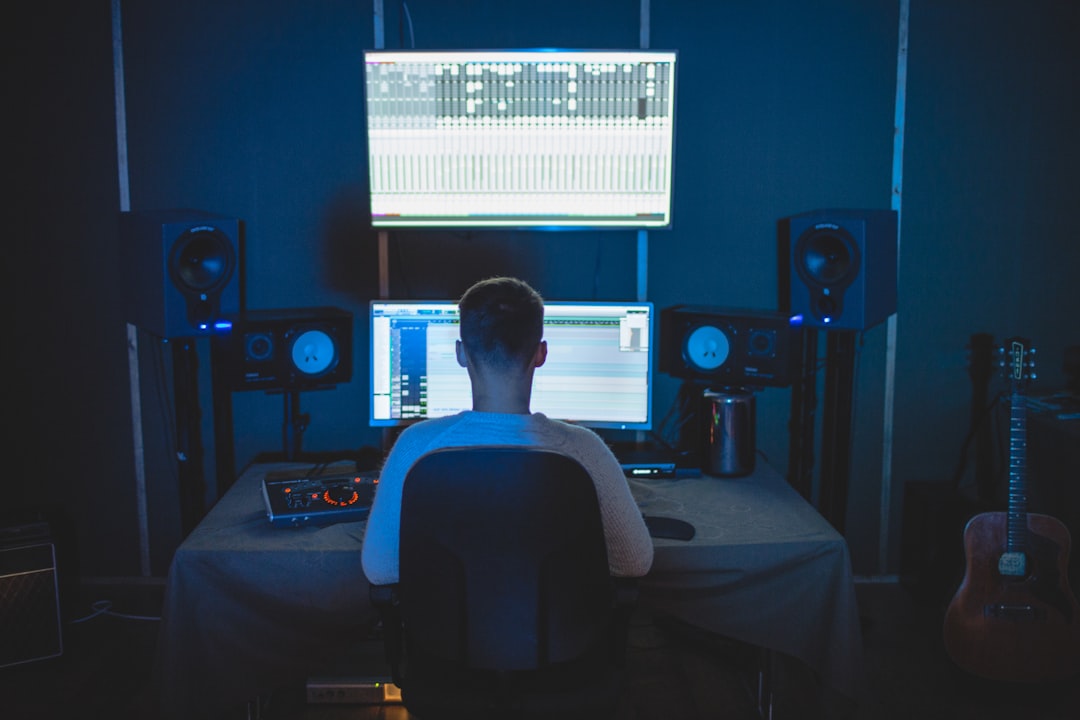
A typical day in the life audio engineer looks nothing like the montage you might imagine — far less knob-twiddling, far more setup, communication, problem-solving and admin. What the day actually contains depends heavily on which kind of engineer you are, because a freelance mixer, a studio engineer, a live-sound engineer and a post-production engineer live very different days; if you are still weighing up which path fits, it helps to know the full range of types of audio engineering jobs first.
Here is an honest look at each, so you know what you would actually be signing up for.
The freelance mixing/mastering engineer’s day
If you run a home-based mixing or mastering business, your day is part craft, part running a small business — the realities of which are covered in how to start a freelance mixing business. A realistic rhythm:
- Admin first — email, quoting new enquiries, chasing assets, sending invoices. Client communication eats more time than beginners expect.
- Focused mixing blocks — the actual work, done in stretches when your ears are fresh, with regular breaks because ear fatigue is real.
- Revisions and feedback — handling change requests, which is a skill of its own; see how to handle mix revisions with clients.
- Delivery — bouncing, checking and sending final files correctly, as in how to deliver final mixes to clients.
- Business growth — updating your portfolio, replying on platforms like SoundBetter, and the relationship-building in networking in the music industry.
The freedom is real, but so is the responsibility: no clients means no income, so a chunk of every day goes to keeping the pipeline full.
The studio engineer’s day
In a working studio, your day revolves around sessions. Before the artist arrives you set up — patching, mic selection and placement, line checks, getting headphone mixes right. During the session you capture takes, manage the technical side so the producer and artist can focus on performance, keep the room moving, and stay calm when something breaks (it will). After the session there is tear-down, file management and backups. Assistant and junior engineers spend a lot of early time on exactly this support work, which is why studio internships teach so much. The hours can be long and irregular, following when artists want to work.
The live-sound engineer’s day
Live sound is the most physical and time-pressured. A show day often runs: load-in and rigging, system setup and tuning, soundcheck with the artists, then the show itself where you mix in real time with no undo, followed by tear-down. There is no “fix it later” — decisions are final and immediate, which is thrilling for some and stressful for others. Days are long, often evenings and weekends, and frequently on the move. If this appeals, see how to become a live sound engineer.
The post-production engineer’s day
Post-production sound for film, TV and games is more desk-bound and deadline-driven. A day might involve editing dialogue, cleaning up noise, designing or placing sound effects, recording or editing Foley, and mixing to picture — all to tight specs and delivery deadlines. It is detailed, patient work, often more solitary than studio or live roles, and it rewards organisation. The route in is covered in how to get into post-production sound for film and TV.
What every audio engineer’s day has in common
Across all four, some truths hold:
- Less mixing than you’d think. Setup, communication, problem-solving and admin fill much of the day.
- People skills matter constantly. Engineers work with artists, clients and crews; being calm and easy to work with is half the job.
- Problem-solving is the real skill. Something always goes wrong; staying composed and fixing it is what you are paid for.
- Ear care is a discipline. Breaks, sensible levels and protecting your hearing are part of every professional’s routine.
A realistic hour-by-hour example
To make it concrete, here is how a freelance mixing day might actually unfold. Treat it as a pattern rather than a rule — the order shifts with deadlines and clients, but the proportions are honest.
- Morning, the inbox. Quoting two enquiries, sending one invoice, downloading stems for a new project and checking they are all present and correctly labelled before you commit time to the work.
- Mid-morning, first mix block. Ears are freshest now, so this is where the most important decisions get made: balance, arrangement edits, the core tonal moves that define the mix.
- Lunch and a real break. Stepping away resets your hearing and your perspective; mixes that felt finished before lunch often reveal an obvious problem afterwards.
- Afternoon, revisions. Implementing a client’s feedback on yesterday’s mix, then bouncing references and checking them on different speakers, headphones and a phone.
- Late afternoon, delivery and admin. Final bounces, file checks, naming, upload, and a tidy of the day’s session files and backups so nothing is lost.
Notice how little of that block is “creative mixing” in the cinematic sense. The craft is real, but it sits inside a frame of preparation, communication and housekeeping — and the engineers who last are the ones who make that frame reliable rather than resenting it.
Common mistakes that wreck the day
Most ruined days come from a handful of avoidable habits rather than any single disaster:
- Mixing for too long without breaks. Ear fatigue creeps in silently; you keep nudging levels and end up worse off than an hour ago. Scheduled breaks are not laziness, they are quality control.
- Skipping preparation. Diving in before checking files, labelling or setting up a session template costs more time later than it ever saves up front.
- Letting admin pile up. Unsent invoices and unanswered enquiries do not just hurt income; they hang over the creative work and make it harder to focus.
- Poor backups. One failed drive with no copy can erase a paid day’s work. A boring backup routine is one of the most valuable habits in the job.
- Saying yes to everything. Overcommitting turns long days into impossible ones and pushes quality down. Knowing your realistic daily capacity protects both you and the client.
If reading this makes the work sound appealing rather than off-putting, that is a good sign. For the bigger-picture view of whether it suits you long-term, see is audio engineering a good career? and the overview in what does an audio engineer do?
Frequently asked questions
How many hours a day does an audio engineer work?
It varies widely by role and workload. Freelancers can set their own schedule but often work irregular hours to hit deadlines, while studio and live-sound work can mean long, late days built around when artists and events happen. Post-production tends to be more standard hours but deadline-driven. Long, irregular days are common across the field.
Is being an audio engineer as glamorous as it looks?
Mostly no. The reality is heavy on setup, communication, revisions, troubleshooting and admin, with the creative mixing being a smaller slice than people expect. Those who thrive enjoy the problem-solving and the craft, not just the idea of the job.
Which type of audio engineer has the best day-to-day?
There is no single best — it depends on your temperament. Freelance mixing offers flexibility but demands self-motivation and business effort; studio and live work are more social and high-energy but less predictable; post-production is detailed and deadline-driven. Matching the daily reality to how you like to work matters more than the title.
How much of the day is actually spent mixing?
Less than most beginners assume. Depending on the role, the genuinely creative mixing or sound-shaping might be only a few hours, with the rest of the day going to setup, communication, revisions, troubleshooting, file management and business admin. The hands-on craft is the reward, but it sits inside a much larger frame of supporting work.



