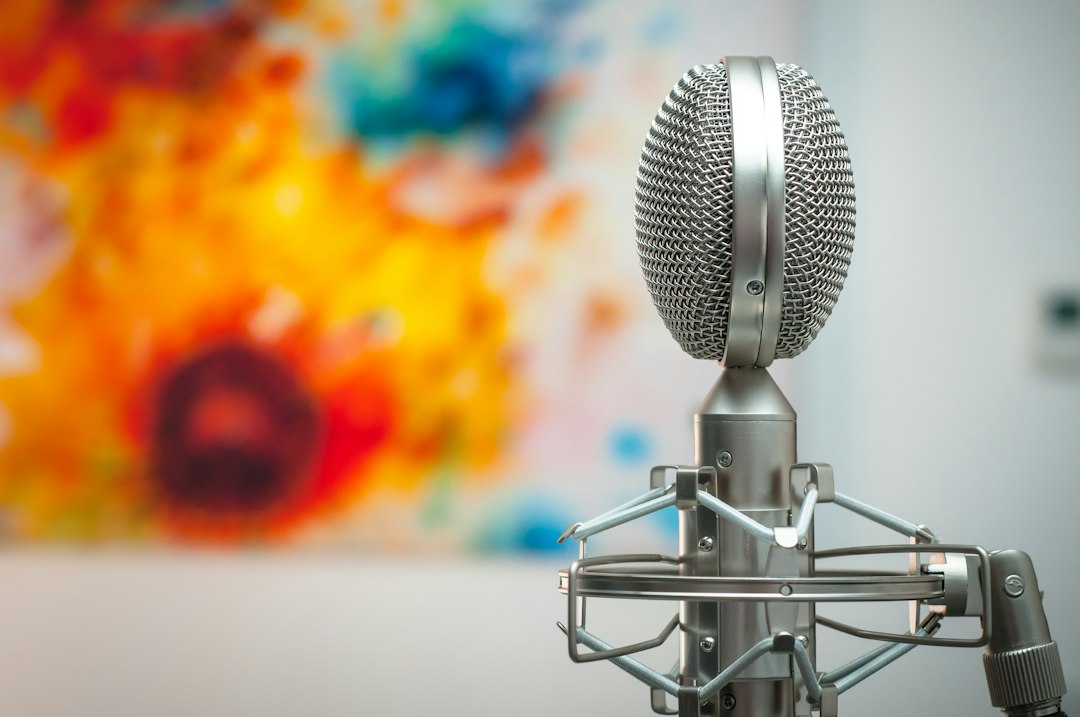
A measurement microphone is a precision mic designed to capture sound as accurately and neutrally as possible, so you can measure what a room or a system is really doing. Unlike a vocal or instrument mic — which is voiced to sound flattering — a measurement mic aims for a flat, predictable response and comes with a calibration file documenting any deviation. That accuracy is exactly what makes it the right tool for measuring room acoustics with software like Room EQ Wizard (REW).
What makes a measurement microphone different
Three things set a measurement microphone apart from a recording mic:
- Flat frequency response — it tries not to add character. A studio vocal mic deliberately boosts certain frequencies; that coloration would corrupt a room measurement.
- Omnidirectional pattern — it captures sound arriving from all directions roughly equally, which is what you want when measuring a room’s overall behaviour rather than aiming at a source. Compare with microphone polar patterns.
- Individual calibration — it ships with a calibration file you load into your software so the mic’s tiny response quirks are corrected away.
The miniDSP UMIK-1 is the common USB measurement mic for home users because it connects straight to a computer and includes a calibration file. Other measurement mics use standard XLR and need phantom power from your interface.
Why you can’t just use your vocal mic
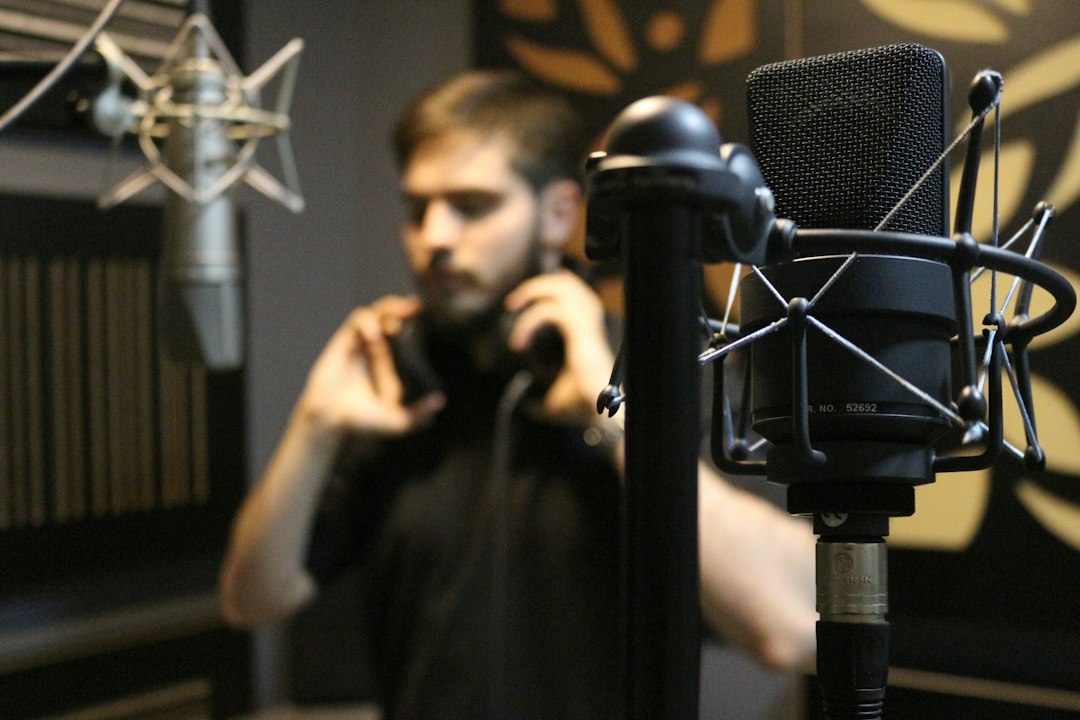
A condenser or dynamic vocal mic has a directional pattern and a deliberately shaped response — great for recording, wrong for measuring. If you measured a room with it, you would not be able to tell which peaks and dips belong to the room and which belong to the mic. Measurement only means something when the microphone itself is a known, neutral reference.
What you use it for
- Measuring room acoustics — frequency response, room modes and RT60 at your listening position. See how to measure your room acoustics.
- Verifying treatment — measure before and after adding panels and traps to prove the change worked.
- Calibrating room correction — room correction software like Sonarworks SoundID Reference and others uses measurement sweeps to build a correction profile.
How to use one in practice
Mount it on a stand at your listening height where your head sits, point the capsule up at the ceiling (the standard orientation for an omni measurement mic), load the calibration file into Room EQ Wizard, and run a sweep. The mic is only one part — its value comes from being paired with measurement software and a methodical process.
How to choose a measurement microphone
For a home studio you do not need the most expensive lab-grade mic; you need one that is genuinely calibrated and convenient to use. A few things decide which one is right for you:
- USB or XLR. A USB measurement mic plugs straight into your computer and is the simplest path if you only ever want to measure your room. An XLR measurement mic routes through your interface, which is handy if you want to keep everything on one set of converters or move the mic between systems.
- Individual versus generic calibration. The point of a measurement mic is the calibration file. A mic supplied with a file generated from its own serial number is more trustworthy than one shipped with a single generic curve shared across the whole product line.
- The job it has to do. Checking frequency response and decay at one listening spot is well within reach of any decent calibrated mic. If you also want reliable sound-pressure-level readings, look for a model whose calibration includes a sensitivity figure, not just a frequency curve.
Beyond that, do not overthink it. The methodology, the software and the consistency of your mic placement matter far more to the result than small differences between two reputable measurement mics.
Common mistakes to avoid
Most bad measurements come down to process rather than gear. The errors below are easy to make and easy to fix:
- Forgetting the calibration file. Run a sweep without loading it and you are reading the mic’s own deviations as if they were your room. Load it first, every time.
- Cranking the level too high. A sweep that clips the input or the mic produces a measurement full of distortion. Set a sensible level, watch the meters, and leave headroom.
- Taking a single measurement. One position tells you about one point in space. Bass behaviour changes dramatically over a few centimetres, so take several measurements around the listening position and look at the averaged picture.
- Treating the curve as gospel. A measurement is a snapshot of one set of conditions. Furniture, doors, and even where you sit all shift the result, so use it as a guide for decisions rather than an exact verdict.
Things to get right for an accurate reading
A measurement mic only tells the truth if you use it correctly:
- Load the calibration file for your specific mic. Without it, the mic’s own small response deviations get read as room problems.
- Use a stand, not your hand. Holding the mic adds reflections off your body and inconsistent positioning.
- Match the height and spot to where your head actually sits when mixing. Move the mic and the low-frequency picture changes.
- Keep the room quiet during a sweep so background noise does not contaminate the measurement.
What to expect from the results
A measurement mic does not improve your room; it shows you the truth so you can act. Expect to see exaggerated low-end peaks and nulls from room modes, and a decay time you can compare against a sensible target. From there you plan acoustic treatment rather than guessing.
Frequently asked questions
Is the UMIK-1 a good measurement microphone for beginners?
Yes. It is USB, plugs straight into a computer, and includes a calibration file, which makes it a straightforward starting point for measuring a home studio with REW.
Do I need phantom power for a measurement mic?
It depends on the model. USB measurement mics are self-powered over USB. XLR measurement mics are usually condensers that need phantom power from your interface.
Can a measurement mic record music too?
You can, but it is not designed for it — its flat, omnidirectional character is great for measuring and uninspiring for tracking vocals or instruments. Use a dedicated recording mic for that.
How often should I re-measure my room?
Re-measure whenever something changes: after adding or moving acoustic treatment, repositioning your desk or monitors, or making a significant change to the furniture in the room. There is no need to measure on a schedule otherwise, because a stable, untouched room will read much the same each time.
Does a more expensive measurement mic give a more accurate room reading?
For checking frequency response and decay at your listening position, a modestly priced calibrated mic is usually all you need. Spending more buys tighter manufacturing tolerances and features like certified SPL accuracy, but it will not meaningfully improve a basic room measurement if your placement and method are sound.