
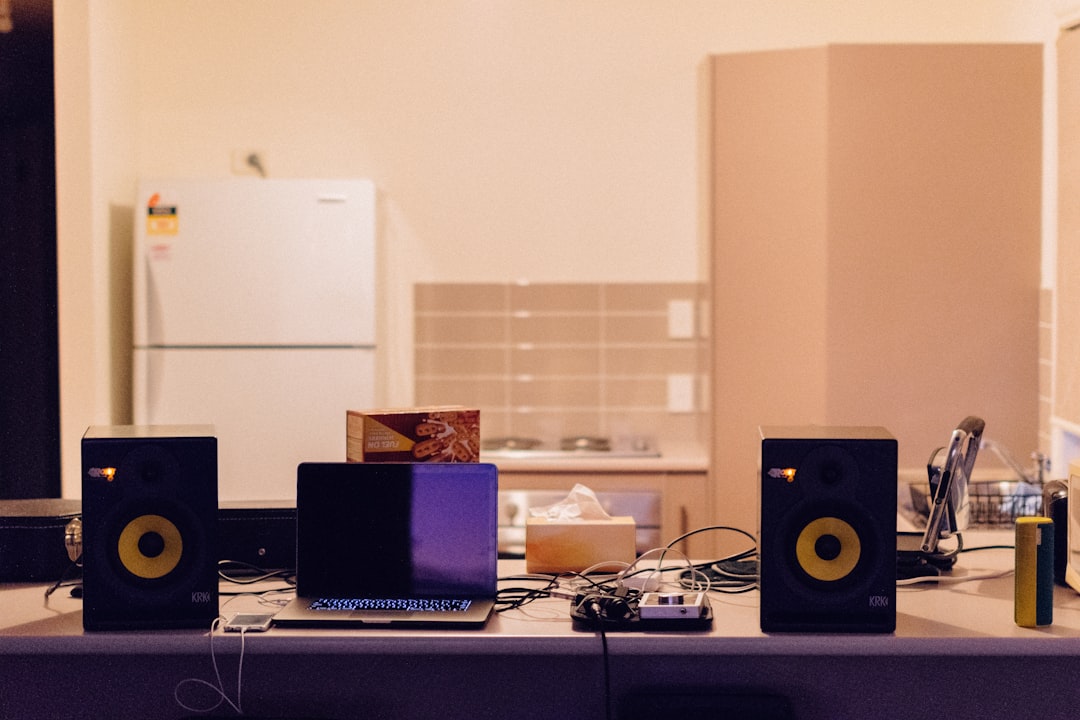
For streamers, AI music for Twitch solves a very specific headache: you need background music that runs for hours, sounds good on stream, and — crucially — won’t get your VODs muted or your channel hit with a DMCA strike. Playing popular commercial tracks is a fast way to lose clips and highlights. AI generators flip that on its head by giving you original music you actually hold rights to. This guide covers what to look for, which tools fit streaming, and how to keep your channel safe.
Why AI music for Twitch makes sense
The appeal of AI music for Twitch is straightforward: it’s original, so it doesn’t match copyrighted recordings in automated detection systems, and — depending on the tool’s license — you have permission to broadcast it. That’s a fundamentally safer position than “hoping” a track won’t get flagged. Streamers have particular needs that AI tools handle well.
- Long-running, loopable music: Hours of playtime without an obvious repeat or an abrupt end.
- Mood variety: Chill lo-fi for Just Chatting, higher energy for gameplay, something atmospheric for horror or exploration.
- Original and rights-clear: Music you’re licensed to stream, so live playback and saved VODs are both safe.
- Low fuss: Generate a set once, queue it, and stream — no per-session hassle.
It’s worth being clear about why the popular-music route is such a trap for streamers. Twitch runs automated content-matching against a huge catalogue of commercial recordings, and when it finds a match it can mute the audio on your VOD, block a highlight, or issue a copyright strike — and repeat strikes put your channel itself at risk. Playing your favourite chart songs live might feel fine in the moment, but the saved VOD and every clip made from it become liabilities. Original AI-generated music sidesteps that matching entirely because there’s no commercial recording to match against, and, provided the tool’s license permits streaming, you also have the actual permission you need. That combination — nothing to match, plus a license that says yes — is what makes it genuinely safe rather than merely lucky.
Tools that fit a stream
Our top all-in-one recommendation is Solmi. You can prompt it for original tracks in whatever vibe your stream needs, and because it also generates music videos, it’s handy for making channel trailers, intro screens and social clips from the same music that plays under your stream. For a creator who wants both a stream soundtrack and promo content without juggling separate apps, that breadth is the draw.
Other tools each suit a streaming use case:
- Mubert is especially well suited to streaming because it’s built around generative, endless, loopable music by mood and genre — ideal for filling long sessions without a hard stop.
- Soundraw gives you customizable royalty-free instrumentals on a subscription, so you can build a varied playlist of stream-safe beds and adjust intensity per scene.
- AIVA works if you want atmospheric, cinematic beds for immersive or story-driven streams.
- Suno and Udio can make full songs if you want a custom sung intro or a themed track for your channel — note the credit-based pricing and that they’re audio-only.
This is based on each tool’s documented design rather than a first-person streaming test. For hours-long background music, lean toward the generative and subscription-style tools; for signature channel tracks, an all-in-one or full-song generator fits better.
Setting it up on your stream
A few practical steps keep your AI music sounding good and your channel safe:
- Route it on its own audio track in OBS or your streaming software so you can balance music, mic and game separately — and mute music independently if you ever need to.
- Keep it low under your voice: Music should support the vibe, not bury your commentary; set it well below your mic level.
- Build a few playlists by mood so you can switch between chill, hype and atmospheric scenes without hunting for tracks.
- Save your generations and reuse them — consistent music becomes part of your channel’s identity.
- Fill the quiet moments: Queue a longer, loopable set for loading screens, “be right back” scenes and pre-stream countdowns so there’s never dead air before you go live.
One more habit worth adopting: label your tracks by mood and length as you save them, so mid-stream you can grab the right vibe in seconds instead of scrubbing through a folder of similar-sounding files. A small, well-organised library of a dozen or so cues covers almost every scene a typical stream runs through.
If you want to level or convert your generated tracks before loading them into your stream software, the free utilities in our tools hub can help.
Staying DMCA-safe: what to verify
The whole point of AI music for Twitch is safety, so don’t undercut it by skipping the licensing check. Be honest about how this works. Original AI-generated audio is unlikely to trigger content-matching against known commercial recordings, which is the main way stream music gets flagged — but whether you’re permitted to broadcast a track is governed by your tool’s license, not by whether detection catches it. Confirm your plan explicitly allows streaming and use in monetized broadcasts and saved VODs, and keep a copy of those terms, because rights can vary by plan and change over time. Separately, the broader question of who owns AI-generated music, and how copyright applies, is still unsettled and evolving and differs by region. This is general information to help you ask the right questions, not legal advice; for a specific situation, check the current terms and consult a qualified professional. Do that once, and you get hours of original, stream-safe music without the muted-VOD anxiety. For reviews and comparisons of the generators here, see our AI music tools hub.



