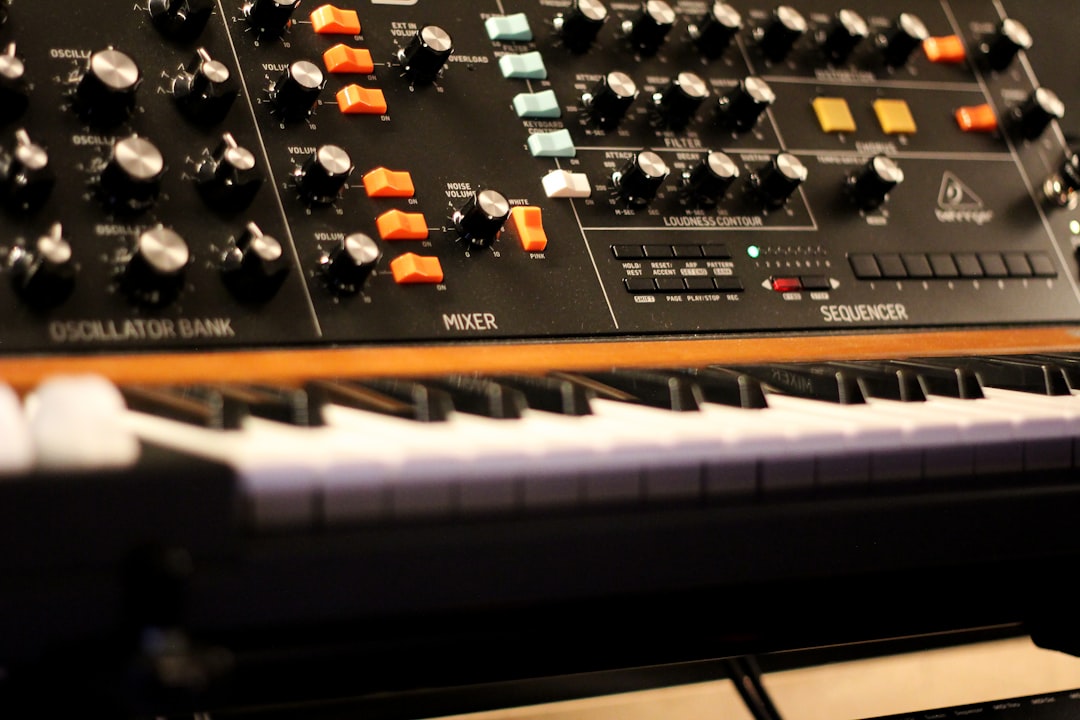
The best analog synths give you warm, organic sound and the kind of immediate, knob-per-function control that makes synthesis a joy. This guide covers standout analog monosynths and polysynths and shows you how to choose the right one.
Violet Recording is reader-supported — we may earn a commission from links on this page, at no extra cost to you.
Quick answer
For analog mono, the Moog Subsequent and Mother-32 and the Arturia MiniBrute are reference points. For analog poly, the Korg Minilogue, Sequential Prophet and Novation Summit lead the field. Choose based on whether you need single-note bass and leads or full chords.
What makes analog synths special
Analog synths build sound from continuously varying voltage rather than numbers. That signal path — oscillators, filter, amplifier, all voltage-controlled — gives them their warmth and a subtle liveliness. If you want the technical picture, our explainers on VCO, VCF and VCA and analog vs digital synths set it out clearly.
When shopping, weigh:
- Voices. Mono for bass and leads, poly for chords and pads.
- Filter character. The filter defines much of an analog synth’s personality.
- Modulation. LFOs, envelopes and mod routing decide how expressive it is.
- Connectivity. CV/gate alongside MIDI lets you grow into modular later.
Compared at a glance
| Pick | Why it stands out |
|---|---|
| Moog Subsequent | A modern Moog monosynth with the brand’s signature thick, liquid tone. |
| Moog Mother-32 | A semi-modular analog mono with a sequencer and patchbay, bridging classic Moog tone and modular flexibility. |
| Arturia MiniBrute | A bold, aggressive analog mono with a strong filter and plenty of hands-on character at a friendly price. |
Full picks and details below.
The best analog mono synths
These single-voice instruments excel at bass and leads; for a wider look across the format see our best monophonic synths guide.
Moog Subsequent
A modern Moog monosynth with the brand’s signature thick, liquid tone. It is a benchmark for analog bass and leads. The wider Moog range is worth exploring if this sound speaks to you.
The all-analog signal path delivers the deep, liquid Moog character that suits bass and lead duty, and the build quality is built to last. It is a single-voice instrument at a premium tier, so it rewards players committed to that classic mono sound.
Moog Mother-32
A semi-modular analog mono with a sequencer and patchbay, bridging classic Moog tone and modular flexibility. See our semi-modular synths guide for the full picture.
The onboard sequencer and patchbay let it stand alone or grow into a modular rig, all while keeping genuine Moog tone. It is monophonic and desktop-format, so add a controller if you want to play it from keys.
Arturia MiniBrute
A bold, aggressive analog mono with a strong filter and plenty of hands-on character at a friendly price.
Its bold filter and fully analog path give it an aggressive, characterful voice that is easy to dial in by hand. As a monosynth it is focused on bass and leads rather than chords, and it stays friendly on the wallet.
The best analog poly synths
Korg Minilogue
A four-voice analog polysynth with an approachable layout, making it a popular first polysynth. The Minilogue XD adds a digital oscillator and effects for extra range, and the rest of the Korg range is worth a look if its style suits you.
True four-voice analog polyphony with a clear, hands-on panel makes it one of the easiest ways into analog chords and pads. A single oscillator per voice keeps it focused, and the XD variant adds digital and effects if you want more range.
Sequential Prophet
The Prophet line is a gold standard for analog poly, prized for lush pads, expressive brass and rich modulation. See our polyphonic synths guide for more options at this level.
Multi-voice analog polyphony, premium build and deep modulation make it a flagship-tier instrument for lush pads and brass. It sits at the higher end of the market, so it suits players ready to invest in a long-term poly.
Novation Summit
A two-part analog-filter polysynth with a hybrid oscillator design, capable of huge, modern pads and powerful basses.
Its hybrid oscillators feed genuine analog filters across two independent parts, giving it enormous, modern poly textures. The depth means more menu diving than a simpler synth, which is the trade for its range.
How to choose your first analog synth
The shortlist above covers the strongest options, but the right one depends on your music and how you like to work. Run through these questions before you buy and the choice usually narrows itself.
- What will it mostly play? If you live in basslines, leads and squelchy hooks, a monosynth gives you more focus and tone for the money. If chords, pads and stacked harmony are central, you need polyphony from the start — one voice cannot hold a chord.
- Keys, desktop or rack? A keyboard instrument is ready to play on its own. A desktop or semi-modular unit saves space and money but assumes you already have a MIDI controller or sequencer to drive it.
- How hands-on do you want to be? A knob-per-function panel teaches synthesis fast because every change is visible and reversible. Menu-driven designs pack in more features but slow down learning.
- Will you go modular later? If patch cables and Eurorack are on your horizon, prioritise CV/gate connectivity so today’s synth still talks to tomorrow’s rig.
- What is your real budget? Factor in a sturdy stand, a sustain pedal and a couple of patch or audio cables. These small extras turn a boxed synth into a playable one.
If you are torn between two instruments, let the filter decide. The filter is the single biggest contributor to an analog synth’s character, so the one whose demos make you want to keep playing is usually the right pick.
Common mistakes to avoid
Most regrets with a first analog synth come down to a handful of avoidable errors.
- Buying poly when you needed mono. Polyphony costs more for the same tonal quality. If you rarely play chords, that budget buys a far better-sounding monosynth instead.
- Ignoring the things around the synth. An analog synth needs somewhere to plug in. Without an interface to record it and a controller to play a desktop unit, the instrument sits idle.
- Chasing specs over sound. Voice count and oscillator numbers look good on paper, but a synth with fewer features and a filter you love will see far more use than a deep one you find cold.
- Recording too hot. Synths output a strong line-level signal. Push the input too far and you clip the converters before the synth even sounds its best. Leave headroom and set levels with care.
- Skipping the manual. Analog signal flow is simple once you grasp the oscillator, filter and amp chain. An hour with the manual unlocks far more than another impulse purchase.
Analog synths and genre
Analog mono synths are a natural fit for driving, acidic styles, which is why they feature heavily in our best synths for techno guide. Their warmth also suits the long, evolving pads of ambient work, explored in our best synths for ambient music roundup.
Recording analog hardware
Analog synths output line-level audio, so capture them through an audio interface. Our guide to recording a hardware synth covers levels, mono versus stereo, and getting a clean signal into your DAW.
Because the sound is generated live in voltage rather than recalled from a preset, get the take you want while you have it. Many analog synths cannot fully save a patch, so it is good practice to record audio as you go and, where possible, note your panel settings so you can return to a sound later.
Frequently asked questions
Is an analog synth worth it over a plugin?
If you value tactile control and a focused workflow, yes. The sound difference is real but subtle; the bigger draw is how analog hardware changes the way you play and design sounds.
Do analog synths go out of tune?
Older analog synths could drift with temperature, but modern instruments include auto-tuning circuits that keep them stable. In practice this is rarely a problem today. Letting a synth warm up for a few minutes before a session still helps it settle.
Should my first analog synth be mono or poly?
A mono synth teaches the fundamentals cheaply and excels at bass and leads. Choose poly if playing chords and pads is central to your music from the start.
How many voices do I really need on a polysynth?
Four voices cover most chords and comfortable two-handed playing, which is why four-voice polys are such popular starting points. You only need more if you layer sustained pads while playing new notes on top, where extra voices stop earlier notes cutting off.
Can I use one analog synth for both bass and pads?
A polysynth can play single bass notes, so a poly is the more flexible single purchase if you want to cover both. A monosynth, by contrast, cannot hold a chord at all, so it is the better buy only when bass and leads are your priority.
Shop related gear
A hands-on analog synth to start with: