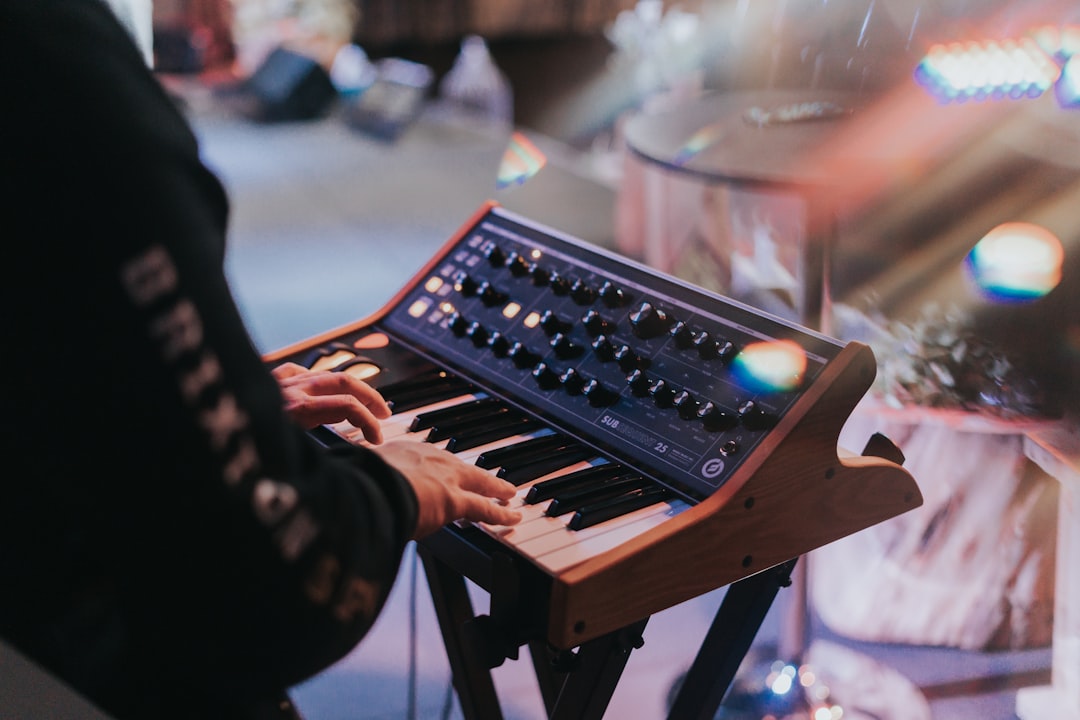
The best drum machines for live performance are the ones you can pick up and play with confidence on stage — instant, reliable, and built around hands-on controls rather than menus. A great studio drum machine isn’t automatically a great live one. For performing, you want fast pattern switching, expressive real-time control, solid sync and an interface you can operate without staring at it.
Violet Recording is reader-supported — we may earn a commission from links on this page, at no extra cost to you.
Quick answer
For most performers, the Roland TR-8S is the standout: deep classic sounds, instant mutes and fills, and a layout designed for the stage. Elektron’s Analog Rytm and Digitakt excel for evolving, performance-led sets thanks to their sequencer. The Arturia DrumBrute offers hands-on analog fun and live patterning at a friendlier price. Korg’s Volca Beats is the ultra-portable, battery-powered option.
What makes a drum machine good for live use
Studio depth matters less on stage than immediacy. Prioritise these:
- Instant pattern and part control. One-touch mutes, fills, pattern switching and song chaining let you build energy and transitions live without menu-diving.
- Real-time performance features. Roll/repeat buttons, scenes, performance macros and a touch strip give you something to play rather than just trigger.
- Rock-solid sync. The machine has to lock tightly to your other gear or to a backing setup. Our guide on syncing hardware synths covers clock and MIDI.
- A clear, glanceable layout. Bright pads, dedicated knobs and a readable display matter when stage lighting is poor.
- Robust build and reliable I/O. Stage gear gets knocked around. Sturdy jacks and a tank-like chassis pay off.
- Power options. Battery power and a small footprint help for mobile or improvised setups.
Compared at a glance
| Pick | Why it stands out |
|---|---|
| Roland TR-8S | Purpose-built for performance. |
| Elektron Analog Rytm and Digitakt | Elektron boxes shine live once you know them. |
| Arturia DrumBrute and DrumBrute Impact | Fully analog, immediate and affordable, with a hands-on sequencer, pattern/song modes, a “wild” randomiser and a… |
| Korg Volca Beats and the Volca family | The Volca series is the most portable, battery-powered route to live drums. |
| Akai MPC (standalone) | If your live act revolves around samples and finger-drumming, a standalone MPC doubles as a powerful live drum… |
Full picks and details below.
The best drum machines for live performance
Roland TR-8S
Purpose-built for performance. It models the classic TR-808 and TR-909 voices, adds sample import, and surrounds them with instant mutes, fills, variations and per-voice knobs. The layout is designed so you can rearrange a track on the fly. For many electronic acts, it’s the default live drum machine — and our best analog drum machines guide explains its sound in more depth.
Elektron Analog Rytm and Digitakt
Elektron boxes shine live once you know them. Performance mutes, scenes, the performance macro mode and conditional trigs let you transform patterns in real time, while the sequencer keeps things evolving. The Analog Rytm adds expressive pads and analog voices; the Digitakt brings sampling. They reward practice but deliver gripping live sets. See our Elektron gear guide to choose between them.
Arturia DrumBrute and DrumBrute Impact
Fully analog, immediate and affordable, with a hands-on sequencer, pattern/song modes, a “wild” randomiser and a global filter you can sweep live for instant tension. The Impact is smaller and cheaper. Both are excellent for performers who want analog punch and tactile control without a steep learning curve.
Korg Volca Beats and the Volca family
The Volca series is the most portable, battery-powered route to live drums. Volca Beats delivers 808-flavoured sounds in a tiny, gig-bag-friendly box, and the whole Volca line chains together over sync for a compact, modular live rig. They’re ideal for improvised or travel-light sets.
Akai MPC (standalone)
If your live act revolves around samples and finger-drumming, a standalone MPC doubles as a powerful live drum machine and full track player. Its pads and clip launching suit performance, and it can sequence the rest of your gear. Our Akai MPC guide covers the range.
Which pick fits your set
A quick way to narrow the list is to describe your set in one sentence and match the machine to it. If you play club-oriented electronic music and want iconic sounds with zero friction, the TR-8S is the safe choice — it’s the one we’d hand to someone with a gig next weekend. If your sets are long, improvised and evolve slowly, the Elektron boxes reward the practice time: scenes and conditional trigs let one pattern do the work of ten. If you’re on a tighter budget or you’re adding drums to a synth-based act, the DrumBrute Impact covers the essentials with a filter sweep that doubles as a transition tool. Busking, jam nights or travel? The Volcas fit in a jacket pocket. And if your material is sample-heavy — chopped breaks, vocal hits, full stems — the MPC is really the only pick on this list built around that workflow.
Common mistakes to avoid
Most bad drum-machine gigs come down to preparation, not gear. These are the mistakes we see most often:
- Buying for the studio, gigging by accident. Menu-heavy boxes that feel fine at a desk fall apart under stage pressure. Test whether you can mute, fill and switch patterns without looking down.
- Skipping a full-volume rehearsal. Kick and bass balance changes completely on a PA. Run your set through a loud system at least once before the show and note which levels need trimming.
- Leaving pattern banks disorganised. Scrolling through patterns mid-set kills momentum. Arrange them in set order and chain songs where the machine allows it.
- Ignoring gain staging. Send the sound engineer a healthy, consistent level and keep your master output away from clipping — distortion that sounds gritty in headphones sounds harsh on a big system.
- No fallback plan. A spare cable, a saved backup of your project and knowing how to recover from a frozen unit turn a disaster into a thirty-second pause.
Setting up for the stage
A few practical points make live drum-machine sets go smoothly:
- Decide your clock master. Pick one device to send clock and let everything follow it. Mismatched clocks cause drift mid-set.
- Use a small mixer. Bringing your drum machine, synths and effects into a compact mixer simplifies your output to the PA. See patchbays and mixers for a synth setup.
- Label and rehearse transitions. Know your mute groups and pattern banks cold so you’re performing, not reading menus.
- Have a backup output. Keep a spare cable and know your mono-sum fallback in case an output fails.
Live vs studio priorities
If you mostly produce at home and only occasionally perform, almost any capable drum machine works — focus on sound and sequencing. If performing is central, weight the immediacy features above heavily, because the best live machine is the one you can play under pressure without thinking. For a broader look at building a stage-ready setup, see how to build a hardware music setup.
Frequently asked questions
What’s the most beginner-friendly drum machine for live use?
The Arturia DrumBrute Impact and Korg’s Volca Beats are both approachable, affordable and immediate, making them easy to perform with quickly. The Roland TR-8S is also intuitive once set up, with the bonus of iconic sounds, though it costs more.
Do I need a battery-powered drum machine for live?
Only if you play where power is unreliable or you want to perform untethered, such as buskng or pop-up sets. Most venues provide power, so battery operation is a convenience rather than a requirement. The Volca series and battery-equipped grooveboxes cover this need if you have it.
Can I perform with just a drum machine?
You can, especially with a feature-rich box like the TR-8S or an Elektron that lets you mute, fill and morph patterns live. Many performers add a synth or one of the best hardware samplers for melody. Keeping everything synced to one clock is the key to a tight set.
How much should I budget for a live-ready drum machine?
There’s a genuine option at almost every budget. The Volca and DrumBrute Impact tier sits at the affordable end, the TR-8S and Digitakt occupy the mid range, and the Analog Rytm and larger MPCs cost considerably more. Prices shift with promotions and the used market is healthy for all of these, so check current listings before deciding — a well-kept second-hand unit is often the best value for a first live rig.
Should I buy new or used for stage use?
Used is fine for most of this list — these machines are built to be handled. Inspect the jacks, encoders and pads in person if you can, since those are the parts that wear from gigging. If a unit will be your only sound source on stage, a warranty has real value, so weigh the saving against the risk of a mid-tour failure.
Shop related gear
A drum machine built for the stage: