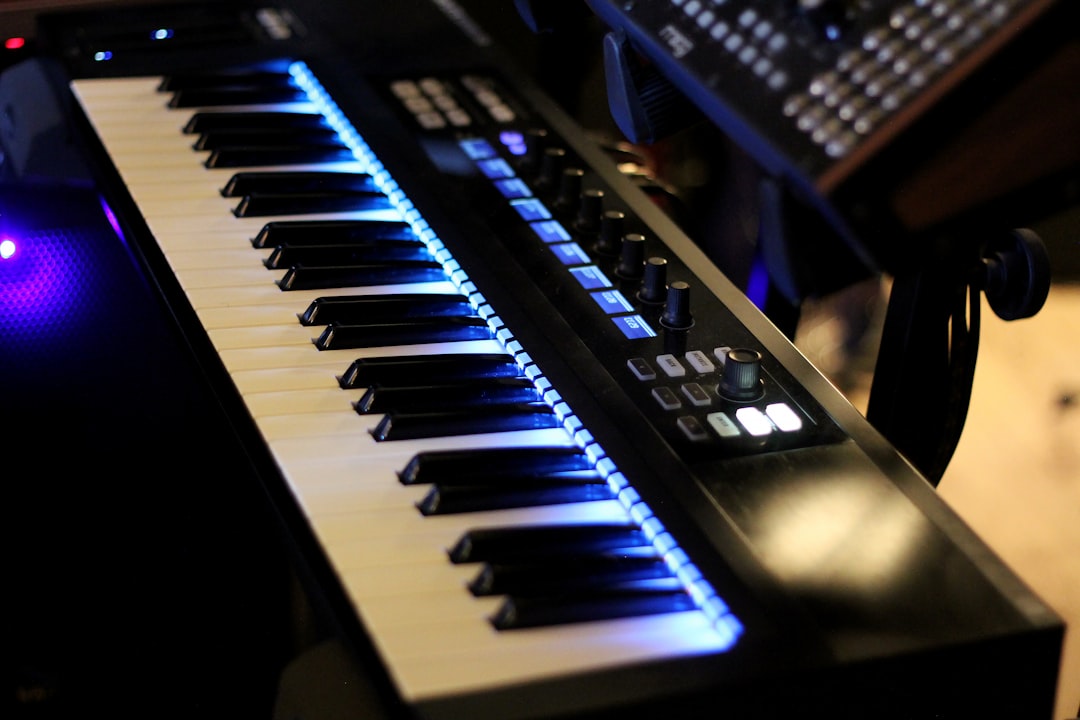
The best synths for techno deliver three things above all: weighty basslines, sharp stabs, and the kind of raw, tweakable character that cuts through a club system. Techno is a hands-on, performance-driven genre, so the right synth is one you can sequence tightly and twist in real time. This guide covers what to look for and the hardware that consistently delivers.
Violet Recording is reader-supported — we may earn a commission from links on this page, at no extra cost to you.
| Pick | Best for |
|---|---|
| Roland TB-3 / Behringer TD-3 | Acid basslines |
| Moog Mother-32 | Deep bass and expansion |
| Behringer Model D / Poly D | Fat bass on a budget |
| Elektron Analog Four / Digitone | Sequencing and live jamming |
| Korg Minilogue / Monologue | Affordable basslines and stabs |
| Arturia MicroFreak / MiniBrute | Raw and textural sounds |
Quick answer
For acid and rolling basslines, the Roland TB-303 sound — found in the Roland TB-3 and Behringer TD-3 — is essential. For deep, characterful bass and leads, the Moog Mother-32 and Behringer Model D excel. For instant techno workflows, Elektron’s Analog Four and Digitone are superb. Pair any of them with a strong drum machine and you have the genre’s backbone.
What makes a synth good for techno
Techno rewards specific traits more than raw versatility:
- A strong filter. The resonant low-pass filter is the heart of techno sound design — sweeps, squelch and movement all come from it. If filters are new to you, see VCO, VCF and VCA explained.
- Punchy, deep bass. You need oscillators and a signal path that produce sub weight without mud.
- Hands-on, real-time control. Knob-per-function layouts let you perform filter sweeps and modulation live.
- Tight sequencing or sync. Whether onboard or external, the synth must lock rock-solid to your clock. See how to sync hardware synths.
- Character over polish. Techno often wants grit, drive and analog edge rather than pristine cleanliness.
Mono synths and semi-modulars suit techno especially well. If you’re deciding between voice types, our guides on monophonic synths and semi-modular synths are useful companions.
The best synths for techno
Roland TB-3 / Behringer TD-3 (the acid sound)
The Roland TB-303 defined acid techno, and its slippery, resonant, sliding basslines remain a genre staple. The Roland TB-3 modernises that sound with touch control, while the Behringer TD-3 is an affordable analog recreation. Either gets you the unmistakable acid line that powers countless tracks — and Roland’s wider catalogue is covered in our Roland synthesizers guide.
Moog Mother-32
A semi-modular monosynth with a classic Moog ladder filter, a built-in sequencer and a patchbay for expansion. It produces deep, growling bass and gnarly leads, and the patch points let it grow into a small modular system. It’s a workhorse for hands-on, evolving techno. Our Moog synths guide covers the wider range.
Behringer Model D and Poly D
The Model D is an affordable recreation of the Minimoog’s circuit, delivering that legendary fat bass and lead tone. The Poly D adds polyphony and a built-in sequencer. They’re a budget route to the kind of thick, driving analog sound techno thrives on — see the Behringer synths guide.
Elektron Analog Four and Digitone
Elektron’s sequencer is tailor-made for techno: parameter locks, conditional trigs and microtiming create evolving, hypnotic patterns. The Analog Four brings four analog voices; the Digitone adds FM for metallic stabs and edgy leads. Both let you perform mutes and morphs live. Our Elektron gear guide helps you choose.
Korg Minilogue and Monologue
The Monologue is a punchy analog mono with a great filter and sequencer at a friendly price — excellent for basslines. The polyphonic Minilogue handles stabs and pads. Both are reliable, hands-on and affordable entries. See the Korg synthesizers guide.
Arturia MicroFreak and MiniBrute
The MiniBrute’s aggressive analog filter and “Brute factor” drive suit raw techno leads and bass. The MicroFreak’s digital oscillator and modulation matrix bring more unusual, textural sounds for stabs and atmospheres. Both are affordable and characterful — our Arturia hardware synths guide goes deeper.
Erica Synths Techno System (modular)
If you are drawn to modular, Latvian maker Erica Synths offers a Techno System: a complete Eurorack setup of drum and synth voices designed specifically around techno. It is a deep, hands-on instrument for building grooves and evolving sequences, but it is a serious investment and a big learning curve compared with the desktop synths above. Many producers start with a semi-modular such as the Moog Mother-32 — see our guide to the best semi-modular synths — and only move into full modular once they know they love patching.
How to choose your first techno synth
With so many capable options, the choice comes down to the role you most need filled and how you like to work. Rather than buying the synth with the longest feature list, start by deciding which part of the track you want to own first.
- Decide on a role. Most producers build outward from the low end, so a mono synth with a strong filter for bass and acid lines is the usual first purchase. If your tracks already have solid bass, prioritise a source for stabs and chords instead.
- Match the synth to your sequencing setup. If you sequence everything from a DAW or a single hardware brain, a synth that simply takes MIDI and sounds great is fine. If you want to jam without a computer, favour a unit with a capable onboard sequencer like the Monologue, Mother-32 or an Elektron box.
- Weigh hands-on control. A knob-per-function panel rewards live performance and fast sound design. Menu-driven synths can be deeper but slower to tweak in the moment, which matters in a genre built on real-time filter moves.
- Plan for sync from day one. Whatever you buy must lock tightly to the rest of your rig. Check it supports the clock source you use, whether that is MIDI, analog clock or DIN sync.
- Buy for the long term. A semi-modular such as the Mother-32 costs more up front but grows with patch cables and extra modules, so it can stay relevant as your setup expands.
Common mistakes to avoid
A few habits hold new techno producers back more than the gear itself:
- Chasing polyphony too early. Techno leans heavily on monophonic bass and leads. A big polysynth is rarely the most useful first synth for the genre.
- Ignoring the sequencer. Parameter locks, ratchets and probability are what turn a static loop into an evolving pattern. A synth with a creative sequencer often does more for your tracks than one with a few extra oscillators.
- Over-processing the bass. Heavy distortion and loud sub competing in the same range cause mud. Carve space with filtering and keep the lowest octave clean.
- Recording too hot. Driving the synth’s output into your interface clips the signal and loses headroom. Keep levels conservative using our recording a hardware synth guide.
Building a techno setup
A synth is only half of techno — the drums carry the groove. Pair your synth with a strong drum machine from our best analog drum machines and best drum machines for live performance guides. Sync everything to one clock, run it through a small mixer, and you have a complete, performable rig. When you record, keep levels clean using our recording a hardware synth guide.
Once the hardware is in place, our guide on how to design sounds for techno walks through building the rumbling kicks, acid lines and stabs the genre runs on.
Frequently asked questions
Do I need an analog synth for techno?
No, though analog’s character and filter behaviour suit the genre well. Plenty of great techno uses digital and FM synths (like the Digitone) for stabs and edgy textures. A mix of analog bass and digital accents is a common, effective approach. See analog vs digital synths for the trade-offs.
What’s the best budget synth for techno?
The Behringer TD-3 (for acid lines) and Korg Monologue (for basslines) are both affordable and genre-appropriate. The Behringer Model D adds classic fat bass at a low price. Any of these gets you started without a big outlay. Compare with our best budget hardware synths roundup.
Mono or poly synth for techno?
Mono synths handle the genre’s core basslines and acid leads beautifully and are often the priority. A polyphonic synth is useful for chords, stabs and pads. Many techno setups use a mono for bass and a poly (or a second source) for harmonic parts.
How many synths do I actually need to make techno?
You can make a complete track with one capable synth and a drum machine, especially if the synth has multiple parts or a good sequencer. Many producers start there and add a second source only once they hit a clear limitation, such as needing bass and chords playing at the same time. Build your setup around gaps in your sound, not around owning more boxes.
Can I get a techno sound from soft synths instead of hardware?
Yes. Software emulations of classic circuits can get convincingly close, and a DAW gives you unlimited instances for free once you own it. Hardware wins on immediate, hands-on control and the feel of performing tweaks live, which is why so many techno artists favour it — but the sound itself is achievable in the box.
What if I also want to make ambient or downtempo tracks?
Many techno producers also write slower, atmospheric material, and the priorities shift towards lush pads and evolving textures rather than punchy mono bass. If that’s you, weigh a more polyphonic, modulation-rich instrument and see our companion guide to the best synths for ambient music before you buy.
What are the best synths for techno?
Our top picks are the Roland TB-3 or Behringer TD-3 for acid basslines, the Moog Mother-32 and Behringer Model D for deep analog bass and leads, and the Elektron Analog Four or Digitone for a complete sequencing workflow. Which one is best for you depends on the role you need filled first, but any of these covers the genre’s core sounds.
What are the best techno synths for live performance?
The Elektron Analog Four and Digitone are our first choice for live sets: parameter locks, conditional trigs, mutes and morphs let you evolve patterns on the fly. Knob-per-function synths like the Moog Mother-32 and Korg Monologue also perform well, since real-time filter moves are the heart of a techno performance.
Which synth should a beginner techno producer buy first?
Start with a monophonic synth that has a strong filter and an onboard sequencer, because techno is built outward from the low end. The Behringer TD-3 gets you straight into acid lines, while the Korg Monologue is a punchy, affordable all-rounder for basslines. Add a drum machine and you have a complete starter rig.
Shop related gear
An analog synth that suits techno: