The best closed-back headphones for recording isolate well, sit comfortably for hours and reproduce sound honestly enough to catch problems while you track. Closed-back designs seal against your ears, which stops monitoring audio from leaking into an open microphone — the main reason they are the default choice for recording vocals and instruments at home.
Violet Recording is reader-supported — we may earn a commission from links on this page, at no extra cost to you.
Quick answer: our top closed-back headphones
- Best overall: Audio-Technica ATH-M50x.
- Best for comfort and long sessions: Beyerdynamic DT 770 PRO.
- Best lightweight classic: Sony MDR-7506.
- Best budget: Audio-Technica ATH-M20x.
- Best premium tracking pair: Beyerdynamic DT 1770 PRO.
Why use closed-back headphones for recording
Closed-back headphones have sealed ear cups, so very little sound escapes. During tracking, that prevents the click track or backing mix in your ears from bleeding into the mic, and it blocks outside noise so you hear the performance clearly. Open-back headphones sound more natural and spacious but leak too much to use with a live mic. For the full comparison, read open-back vs closed-back headphones.
If you are choosing between cans and speakers for the listening side of your studio, see studio monitors vs headphones for mixing and our explainer on what reference headphones are.
How to choose the best closed-back headphones
Isolation
Good passive isolation keeps your monitoring out of the mic and the room out of your ears. Over-ear (circumaural) designs with a firm seal isolate better than on-ear pairs.
Accuracy over hype
For recording and editing you want a fairly flat, revealing response. Heavily boosted bass or scooped mids will mislead you about levels and tone. A neutral pair shows plosives, sibilance and room reflections so you can fix them at the source.
Comfort and replaceable parts
Clamp force, pad material and weight decide whether you can wear them for a three-hour session. Velour pads breathe better than pleather. Replaceable pads and cables extend the life of the headphones for years, and learning how to clean and replace worn ear pads is the easiest way to keep an old pair feeling fresh.
Impedance and your gear
Lower-impedance models (roughly 32 to 80 ohms) run loud enough from interfaces and laptops. High-impedance versions need a stronger headphone output or a dedicated amp, so match the model to your audio interface.
Build quality
Folding hinges, detachable cables and metal headband cores survive daily handling. Studio-standard models endure because spares are easy to find.
Compared at a glance
| Pick | Why it stands out |
|---|---|
| Audio-Technica ATH-M50x — best overall | The ATH-M50x balances detail, isolation, durability and comfort better than almost anything in its class. |
| Beyerdynamic DT 770 PRO — best comfort | Plush velour pads and a relaxed fit make the DT 770 PRO ideal for long sessions. |
| Sony MDR-7506 — lightweight classic | Decades of studio and broadcast use back the MDR-7506. |
| Audio-Technica ATH-M20x — best budget | An honest entry point with closed-back isolation and a reasonably neutral sound. |
| Beyerdynamic DT 1770 PRO — premium pick | A higher-end closed-back option with refined sound, premium build and swappable pads and cables. |
Full picks and details below.
The best closed-back headphones for recording
Audio-Technica ATH-M50x — best overall
The ATH-M50x balances detail, isolation, durability and comfort better than almost anything in its class. Detachable cables and a folding design make it practical, and the sound is accurate enough to track and edit on. It is the easiest pair to recommend to most home recordists. If it is on your shortlist against the comfort champion, our ATH-M50x vs Beyerdynamic DT 770 comparison breaks down which suits you.
Beyerdynamic DT 770 PRO — best comfort
Plush velour pads and a relaxed fit make the DT 770 PRO ideal for long sessions. It isolates strongly and has a clear, extended sound with a lift up top that helps you hear detail. Available in several impedance versions, so pick the one that suits your headphone output.
Sony MDR-7506 — lightweight classic
Decades of studio and broadcast use back the MDR-7506. It is light, folds down, isolates well and has a forward, detailed sound that exposes flaws — exactly what you want when checking a take. The coiled cable suits a fixed recording position.
Audio-Technica ATH-M20x — best budget
An honest entry point with closed-back isolation and a reasonably neutral sound. Great as a first tracking pair or as spare headphones for guests and collaborators.
Beyerdynamic DT 1770 PRO — premium pick
A higher-end closed-back option with refined sound, premium build and swappable pads and cables. If you want a long-term reference pair for tracking and detailed editing and your budget allows, it is a step up in resolution and comfort.
Common mistakes when choosing headphones for recording
Most regrets come down to buying for the wrong job. A few patterns turn up again and again with home recordists, and they are easy to sidestep once you know what to watch for.
Buying consumer headphones for tracking
Lifestyle and gaming headphones are tuned to flatter music, usually with exaggerated bass and rolled-off mids. That voicing hides exactly the things you need to hear while recording — a thin vocal, a muddy low end, a hint of distortion creeping in. Choose a pair voiced for monitoring, not for impressing you on the bus.
Ignoring impedance
A high-impedance pair plugged straight into a laptop or a modest interface can sound quiet and lifeless because the output simply cannot drive it. People often blame the headphones when the real problem is a mismatch. Check the rated impedance against your headphone output before you buy, choose a lower-impedance version if you have no separate amp, or add one of the best headphone amps for the studio to drive a demanding pair properly.
Trusting one pair for every decision
No single pair tells you everything. Closed-back headphones excel at catching detail and noise up close during tracking, but they exaggerate certain frequencies and collapse the stereo image compared with speakers. Use them to capture clean takes, then check your mix on monitors and on a couple of everyday devices before you commit.
Overlooking comfort and fit
A pair that pinches after an hour will cut your sessions short and tempt you to rush. Heavy clamp force, hot pads or an ill-fitting headband all add up. If you can, try before you buy, and favour models with replaceable velour pads so you can refresh the fit later.
Getting the most from a single pair
You do not need a shelf of headphones to record well. One honest closed-back pair, used thoughtfully, covers most home sessions. Learn how your pair sounds by listening to recordings you know inside out, so you can tell when a take is genuinely off rather than just unfamiliar through these particular cans.
Keep your monitoring level sensible — loud enough to feel committed, quiet enough to protect your ears across a long day. Set the performer’s headphone mix so the click and backing sit just under the lead source rather than blasting over it, which also reduces the chance of bleed into the mic. Looking after the pads and cable, and storing the headphones folded or on a hook rather than crushed in a bag, keeps that single investment serving you for years.
Setting up your headphones in the studio
Once you have your headphones, pair them with a clean monitoring signal and sensible levels. Our guides to recording vocals at home and the studio monitors and headphones hub cover the wider setup, including how to balance a comfortable monitor mix without overloading your ears.
Frequently asked questions
Are closed-back headphones good for mixing too?
They can be, especially for editing, checking levels and working quietly. Many engineers still prefer open-back headphones or studio monitors for final balance decisions because of their more natural soundstage, but a good closed-back pair will get you a long way.
What is the difference between closed-back and noise-cancelling headphones?
Closed-back headphones isolate passively through their sealed design with no electronics. Active noise-cancelling adds processing that can colour the sound and add artefacts, which is why studios avoid it for recording and rely on passive closed-back models.
Do I need an amp for closed-back headphones?
Usually not for low-impedance models, which run fine from an interface or laptop. High-impedance versions (250 ohms and up) benefit from a dedicated headphone amplifier to reach a comfortable, undistorted volume.
How long should a pair of studio headphones last?
A well-built pair can last many years of regular use. The parts that wear first are the ear pads and the cable, both of which are replaceable on most studio-standard models, so look for a pair with spares readily available rather than treating the headphones as disposable.
Can I record vocals with headphones leaking sound?
A little leakage is normal, but excessive bleed means your monitoring level is too high or the seal is poor. Lower the headphone volume, make sure the cups sit properly over your ears, and the closed-back design will keep the spill well below the level your microphone picks up.
Shop related gear
A reference closed-back pair for recording:
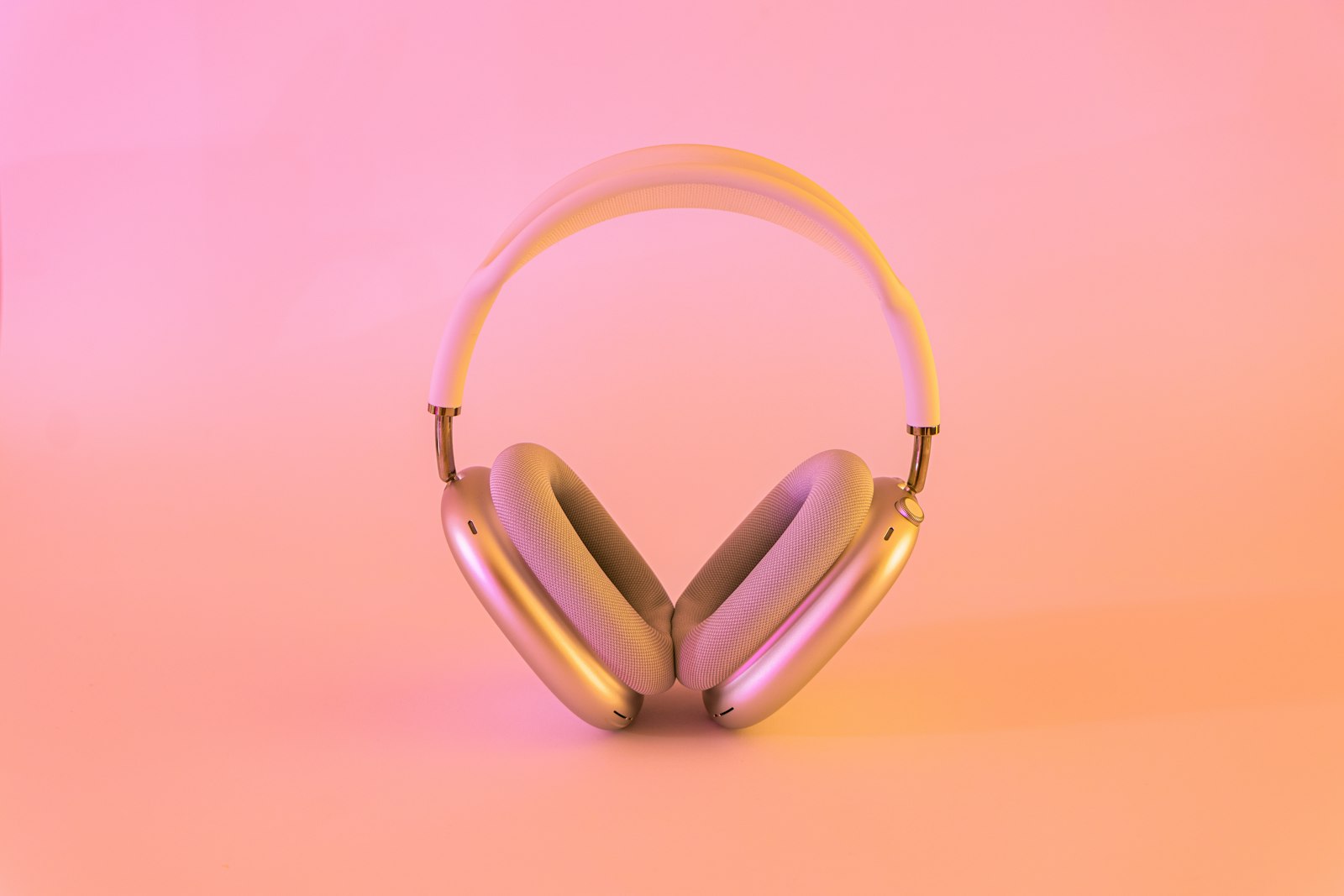
Isolating, reference-grade headphones for tracking and mixing.