A microphone preamp boosts the very low output of a microphone up to a usable line level, and a good one does it cleanly and quietly. Your audio interface already has preamps built in, so you only need an outboard preamp if you want more gain (for ribbons and dynamics), more headroom, or a specific tonal “colour”. This guide covers when that upgrade is worth it and which units are worth your attention.
Violet Recording is reader-supported — we may earn a commission from links on this page, at no extra cost to you.
Quick answer: if you want clean and transparent, look at the Focusrite ISA One or a Grace Design unit. For classic colour, the Warm Audio WA73 (Neve-style) and Universal Audio 6176 (1176-style) are popular. On a budget, the Cloudlifter CL-1 inline booster fixes the most common problem — not enough clean gain for quiet mics.
What a microphone preamp does
Microphones output a tiny signal, sometimes 60 dB below line level. The preamp amplifies it before conversion. Every interface includes preamps; the question is whether you need a better or different one. If you want the full plain-English breakdown first, our explainer on what a microphone preamp is covers the basics. If you are still learning the basics of levels, our gain staging guide is the right starting point, and setting up your audio interface covers where the preamp sits in your chain.
It helps to picture the full path. The mic capsule produces a signal measured in millivolts; the preamp lifts that by 40 to 70 dB so the converter sees a healthy level. If the gain is too low you bury the signal in the converter’s noise floor; if it is too high you clip before the music even reaches your DAW. A preamp’s job is to bridge that gap with as little added noise and distortion as you want — or, in the case of a coloured unit, with distortion you actually like.
Do you actually need an external preamp?
Often you do not. Modern interface preamps are clean and quiet enough for most home recording. Consider an outboard preamp when:
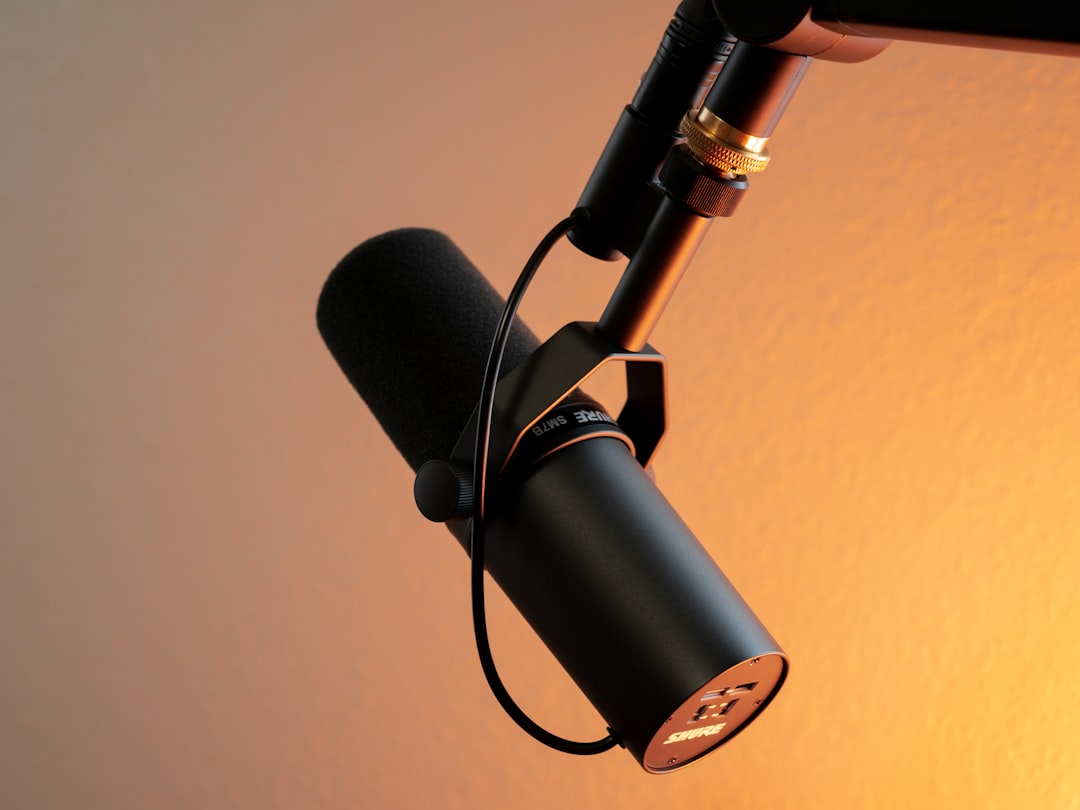
- You use a low-output dynamic (like the Shure SM7B) or a passive ribbon and run out of clean gain.
- You want a deliberate tonal character — warmth, saturation or “weight”.
- You need more headroom and a higher-quality gain stage for critical vocal work.
For a refresher on why some mics demand so much gain, see condenser vs dynamic microphones and what is phantom power. The hungriest mics are usually low-output dynamics and passive ribbon microphones, which is exactly where extra clean gain pays off.
Be honest about where you are in your setup, too. If your room is untreated and your mic placement is rough, a boutique preamp will faithfully amplify those problems rather than hide them. Most people get a far bigger improvement from treating reflections, choosing the right mic, and moving it a few inches than from a preamp swap. Reach for outboard gain when your interface preamp is genuinely the limiting factor — usually a noticeable hiss when you crank the gain for a quiet mic — not as a first move.
How to choose a microphone preamp
- Clean vs coloured: “clean/transparent” preamps add nothing; “coloured” preamps add harmonic character (Neve, API and tube styles each sound different).
- Gain range: for ribbons and quiet dynamics, look for 60–70 dB of clean gain.
- Channels: one channel is fine for vocals; two or more for stereo or multi-mic sources.
- Connectivity: some preamps include their own A/D converter and connect digitally; most output analogue into your interface’s line inputs.
A few extra features are worth checking before you buy. A switchable input impedance changes how the preamp loads the mic and can noticeably alter the tone of ribbons and certain dynamics. A high-pass filter on the unit lets you roll off rumble at the source, while a built-in pad protects against clipping on loud sources like a snare or a belted vocal. Polarity (phase) reverse is handy when you are using more than one mic on the same source. None of these are essential, but they make a preamp more flexible across different sessions.
Best clean and transparent preamps
For accuracy with no added colour, the Focusrite ISA One is a long-standing single-channel favourite, and Grace Design preamps are prized for their pristine, detailed sound. These let the true character of your mic come through.
Best coloured / character preamps
If you want vibe, the Warm Audio WA73 and WA12 deliver Neve- and API-style tones at accessible prices, while the Universal Audio 6176 combines a tube preamp with an 1176-style compressor. Golden Age Project units offer affordable vintage-flavoured options.
Best budget fix: inline boosters
If your only problem is not enough clean gain for an SM7B or a passive ribbon, an inline booster is the cheapest solution. The Cloudlifter CL-1 and Triton Audio FetHead add roughly 20–25 dB of clean, low-noise gain using your interface’s phantom power, with no tonal colour. They are not full preamps, but they solve the most common home-studio gain headache.
One point that trips people up: an inline booster needs phantom power to run, but it passes that phantom power along to the mic. That is fine for a phantom-friendly dynamic like the SM7B, but a passive ribbon must be safe with phantom for the chain to work — check the ribbon’s manual before plugging in. Used correctly, a booster is the most cost-effective upgrade you can make for a quiet mic.
Common mistakes to avoid
- Buying colour before you have the fundamentals. A character preamp is a flavour, not a fix. Sort out room, mic and placement first.
- Double gain staging. If you run an outboard preamp into your interface, set the interface input to line level (or its lowest gain) so you are not amplifying twice and adding noise.
- Chasing maximum gain on the dial. Pushing a preamp to the top of its range often brings up noise. Aim for a strong, clean level with headroom to spare.
- Ignoring the converter. A great preamp still feeds your interface’s A/D. If the rest of the chain is weak, the upgrade is less dramatic than the spec sheet suggests.
For more on building out the rest of your signal chain, browse the microphones category.
Frequently asked questions
Does a microphone preamp improve sound quality?
A better preamp can lower noise, add headroom, or impart pleasing colour, but it will not transform a mediocre recording. Good mic choice, placement and room treatment make a bigger difference than swapping a clean interface preamp for another clean preamp.
Do I need a preamp if I already have an audio interface?
No. Your interface already contains preamps. You only need an external one if you want more clean gain for quiet mics, more headroom, or a specific tonal character that your interface cannot provide.
What is the difference between a clean and a coloured preamp?
A clean (transparent) preamp amplifies the signal without changing its tone. A coloured preamp adds harmonic saturation and character associated with classic designs like Neve, API or tube circuits, which many engineers use to add warmth or weight.
How do I connect an external preamp to my interface?
Run the preamp’s analogue output into a line input on your interface, then set that input to line level so it does not add a second stage of gain. If the preamp has its own digital output, you can connect it to your interface’s digital input and bypass the interface preamp entirely.