The best guitar amp for recording at home is not always a 100-watt stack; more often it is a low-wattage combo that sounds huge with a single microphone at bedroom volume, or a modeling solution that skips the microphone entirely. The problem most home recordists face is simple physics: many great amps only come alive when they are loud, and loud is exactly what apartments and shared houses cannot allow. So the best guitar amp for recording is the one that delivers usable, mic-ready tone at a volume you can actually run. Below are the real amps and the amp-sim options that consistently record well, with honest trade-offs for each.
If the amp will mostly be used for daily playing rather than tracking, see our guide to the best practice amps, which puts low volume, headphone outputs and ease of use first.
What makes the best guitar amp for recording
Recording exposes an amp differently than a stage does. The qualities that matter are:
- Great tone at low volume. Low-wattage tube amps (5 to 20 watts) hit power-amp saturation without deafening you, which is why they dominate home studios.
- A speaker that mics well. A single 10 or 12-inch speaker is easy to close-mic accurately; a 4×12 introduces phase differences between speakers that complicate a home setup.
- Predictable, focused gain. An amp with tight, articulate distortion records cleaner than a woolly, oversaturated one, because layered guitars need definition.
- Practical outputs. A built-in load box or cabinet-emulated line/USB out lets you record silently, which increasingly separates studio-friendly amps from stage-only ones.
- A responsive clean channel. Even for heavy music, a clean or edge-of-breakup channel that reacts to pick dynamics gives you a versatile foundation you can push with pedals rather than being locked to one gain setting.
The best guitar amp for recording: real amps that shine
These are widely documented studio favorites, chosen for how they behave at home volumes.
- Fender Blues Junior / Deluxe Reverb. The benchmark for clean and edge-of-breakup tones. Sparkling cleans, a great pedal platform, and a single 12-inch speaker that is trivial to mic. Cons: the classic Fender clean does not do high-gain on its own, so metal players need pedals or a different amp.
- Vox AC15. Chimey, midrange-rich cleans and a lush crunch at manageable volume. Pros: instantly recognizable character, records beautifully with one mic. Cons: the voicing is opinionated and less neutral than a Fender.
- Marshall DSL20. Classic British crunch and lead tones with a power-scaling mode that tames it to bedroom levels. Pros: iconic rock voice, sits in a mix easily. Cons: even at low power it wants some volume to feel alive.
- Blackstar HT-5R / ID:Core. Low-wattage and modeling combos aimed squarely at home use, often with emulated outputs. Cons: the top-tier tube magic of a boutique amp is not fully there.
- Boutique low-wattage combos (e.g. Vox, Supro, or 5-watt class-A designs). Purpose-built to saturate at whisper volume. Cons: price, and single-channel simplicity.
Mic placement: where recorded amp tone is really made
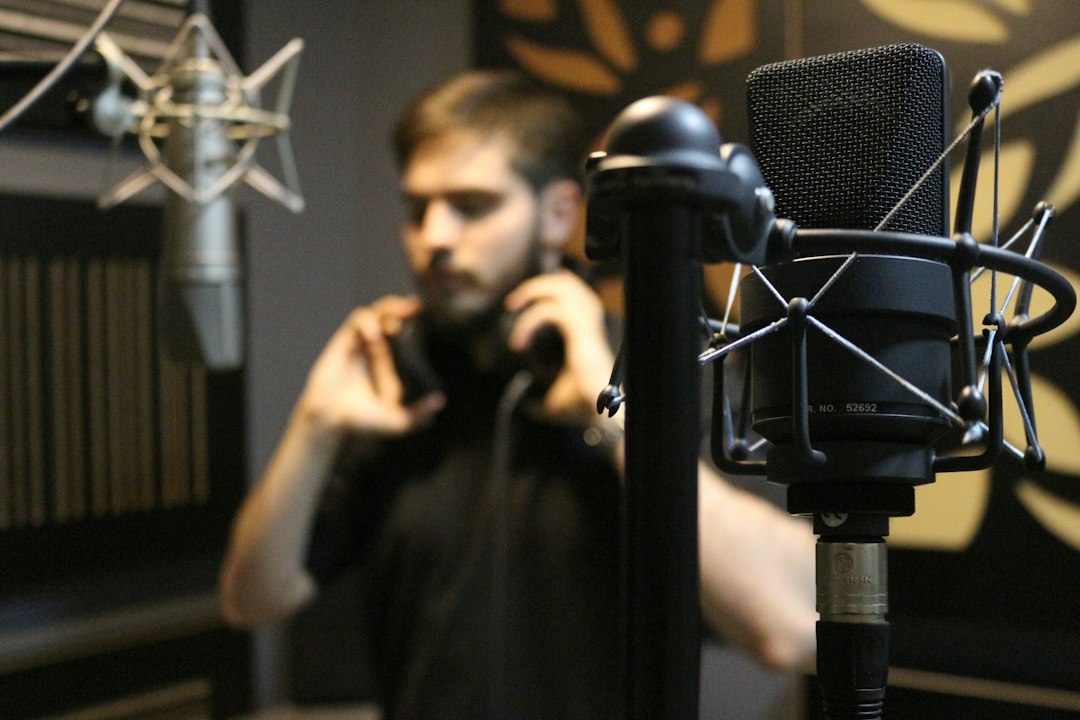
The microphone position changes the tone more than most knob tweaks. Start here and adjust by ear:
- Dynamic close mic. An SM57 is the classic choice. Place it about an inch from the grille cloth, pointed straight at the speaker.
- Cone vs. cap. Aim the mic at the edge of the dust cap for a balanced, present tone; move toward the center of the cap for more bite and high end; move toward the outer cone for a darker, warmer sound.
- Angle to tame fizz. Angling the mic 30 to 45 degrees off-axis rolls off harsh high frequencies for high-gain tones.
- Add a room or ribbon mic if you can. Blending a darker ribbon a foot back with the close 57 adds body, but watch phase and check that combining them does not thin the low end.
- Nudge, then commit. Move the mic a quarter inch at a time and listen in your DAW rather than in the room, because the recorded tone is what matters. Once it sounds right, print it and stop second-guessing.
Small speaker amps have a hidden advantage here: with a single driver there is no inter-speaker phase cancellation to fight, so one well-placed 57 captures the whole cabinet accurately. That simplicity is exactly why so many classic records were cut with one dynamic mic on a modest combo.
For the full method, our guide to mixing guitars covers how a miced amp then sits with the rest of a track, and our recording cluster walks through room treatment and monitoring for close-miced sources.
When an amp sim is the smarter choice
For many home recordists, the best guitar amp for recording is not an amp at all but software, because it delivers consistent, mic-free, silent, endlessly recallable tone. Modern modeling has closed much of the gap, and it removes the two hardest home variables: volume and microphone technique. Worth considering:
- AmpliTube from IK Multimedia, a deep library of amps, cabs, and pedals with a full rig-builder workflow.
- Neural DSP plugins, sold direct from Neural DSP’s own site, are widely praised for their realistic feel and are especially strong for modern high-gain and djent tones.
- Guitar Rig from Native Instruments, a flexible amp-and-effects environment that doubles as a creative sound-design tool.
The best workflow at home is often hybrid: record a clean DI of every take, monitor through an amp sim for feel, and keep the option to reamp through a real amp later if you want the air a physical speaker moves. Whether you choose a 5-watt tube combo or a laptop full of models, the priorities are the same, usable tone at a livable volume and a clean captured signal you can shape afterward. Explore our free audio tools hub for utilities that pair with either path, and pick the amp, real or virtual, that lets you actually hit record.
If you also need one amp to cover practice and gigs as well as recording, our broader guide to the best guitar amps for home, practice and gigs compares combos across every size and budget.