A good rock guitar tone sits between a blues guitar tone and metal: a crunchy, mid-gain amp with strong midrange, a touch of overdrive for push, a punchy cab IR, and double-tracking for width. It should feel aggressive but still dynamic, with enough clarity that chords ring out and the pick attack comes through. The most common mistake is reaching for high-gain settings that turn a rock tone into a metal mush.
Here is how to dial in a classic crunch in your DAW.
Start with the guitar and your hands
Before you touch an amp, remember that most of a rock tone comes from the source. Humbucker-loaded guitars give you the thick, mid-heavy push that classic rock is built on, while single coils lean brighter and snappier. Fresh strings, a clean intonation and accurate fretting do more for clarity than any plugin. If a part sounds muddy in the mix, it is often the playing or the chord voicing rather than the amp. Tight, consistent picking is what makes double-tracked rhythms lock together, so spend time getting the performance right before you start sculpting tone.
Set a mid-gain crunch
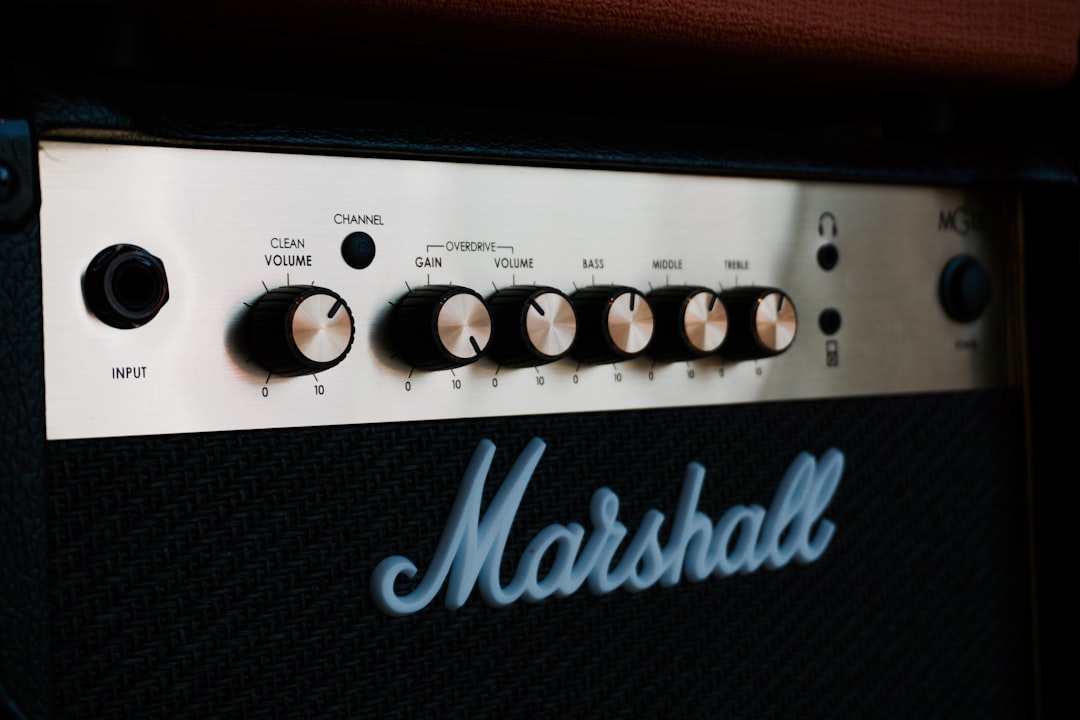
Rock lives in the midrange. Choose a crunchy, mid-gain amp model rather than a high-gain one, and set the gain so power chords have grit and definition without fizzing out. Amp sims like IK Multimedia Amplitube, Positive Grid Bias FX 2, Native Instruments Guitar Rig, Overloud TH-U and the free Ignite Amps Emissary all have great crunch voicings. Hardware modelers such as the Line 6 Helix or HX Stomp and the Neural DSP Quad Cortex do the same. See how to dial in amp sim tones for the workflow.
A useful gain test: play a single open chord and let it ring. If the note blooms, holds and slowly decays with a little grit, you are in rock territory. If it instantly compresses into a wall of buzz, back the gain off. You can always add more apparent saturation later with an overdrive in front, which is tighter and more musical than cranking the amp’s own gain.
Push it with an overdrive
A light overdrive in front of the amp tightens the low end and adds singing sustain for leads. A Tube Screamer-style boost with low drive and high level is the classic move. You can use a real Ibanez TS9, a Boss or Wampler pedal, or a model inside your sim. Read what is a Tube Screamer to understand why it works, and browse the best guitar pedals for recording for options.
For a wider look at boost and drive options that push a crunchy amp without smearing chords, our guide to the best overdrive pedals for guitar compares the usual suspects.
Keep the midrange forward
Many bedroom rock tones disappear in a mix because the player scoops the mids to make a solo sound impressive. Mids are exactly what let a rock guitar cut through, so resist the urge to scoop. A forward midrange keeps chords powerful and present. Our guide on how to EQ guitars in a mix covers using mids without harshness.
Pick a punchy cab IR
The cabinet impulse response defines a lot of the character. A punchy, classic IR from a library like Celestion, OwnHammer or York Audio gives that familiar rock voice, while the mic position controls brightness. Audition a handful and pick the one with body and bite rather than fizz. New to IRs? Start with what are impulse responses.
When you audition cabs, do it in the context of the full mix rather than soloed. A cab that sounds gloriously thick on its own can turn boomy and indistinct once drums and bass arrive, while one that feels a touch thin in isolation often sits perfectly. If the IR still feels harsh, a gentle high-cut somewhere above the presence region tames fizz without dulling the bite, and a low-cut clears headroom for the bass guitar.
Double-track for width
Most produced rock you hear uses two rhythm guitars panned left and right. Record the part twice and pan the takes hard apart for a big, wide bed that still leaves the center open for vocals and drums. Our guide to how to double track guitars shows how, and how to make guitars sound bigger covers building size without losing clarity.
Resist the temptation to copy and paste one take to the other side. A true second performance gives you the tiny timing and tuning differences that create real stereo width; a duplicated take just sounds mono and louder. For extra size on big choruses some producers add a third or fourth pass, but two well-played, well-tuned tracks panned hard are the foundation of nearly every rock record.
Keep some dynamics
The thing that separates a great rock tone from a sterile one is dynamics. Unlike high-gain metal, rock tones should respond to your picking and to the guitar’s volume knob, cleaning up for verses and digging in for choruses. Resist heavy compression on individual tracks, which flattens that life out. A small amount of glue compression on the guitar bus is plenty. Let the arrangement do the dynamic work too: pull the guitars back in a verse so the chorus lands harder. That contrast, plus a crunchy mid-forward tone and honest playing, is what makes rock guitars feel powerful rather than just loud.
Common mistakes to avoid
A few habits quietly ruin otherwise good rock tones. Too much gain is the biggest one: it kills pick definition and makes chords smear together. Scooping the mids is the second, because it sounds huge soloed and vanishes in the mix. Stacking unfocused low end from every guitar track turns the low mids into mud, so commit to a sensible low-cut. Finally, over-processing each take with heavy compression and a wall of reverb hides the very dynamics and dryness that make rock guitars punch. When in doubt, simplify: a good performance, one crunchy amp, one overdrive and one cab will beat an overcooked chain almost every time.
Frequently asked questions
What is the difference between a rock and metal guitar tone?
Rock uses less gain and a more forward midrange, keeping chords dynamic and crunchy rather than tightly compressed. A metal guitar tone uses higher gain, a tube-screamer boost for chug articulation, and a tighter, more scooped voicing.
Should I scoop the mids for a rock tone?
No. Scooped mids sound impressive in solo but vanish in a mix. A forward midrange is what makes a rock guitar cut through against drums and vocals.
Can amp sims do classic rock tones well?
Yes. Crunch and mid-gain tones are a sweet spot for amp sims. A good crunchy amp model, a light overdrive, and a punchy cab IR will get you a convincing classic rock sound entirely in the box.
How much gain do I actually need?
Less than you think. Set the gain so a held chord rings with grit but still decays clearly, then leave it there. If you want more aggression, push the front end with an overdrive rather than adding amp gain, as that keeps the low end tight and the pick attack intact.