
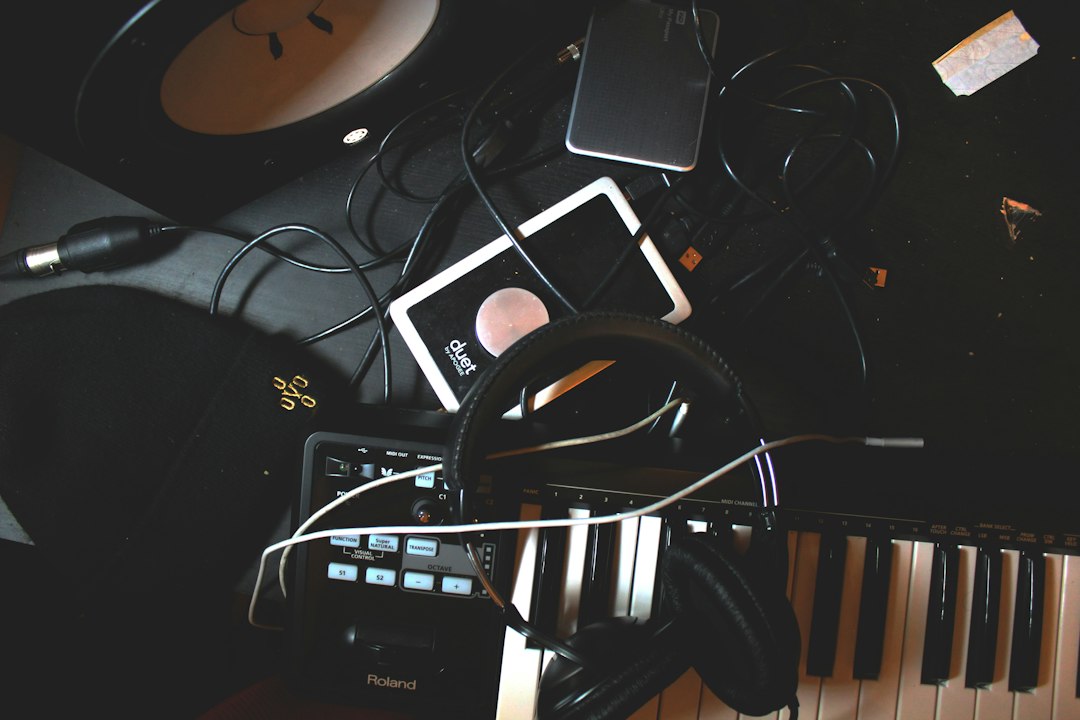
Late-night practice, thin apartment walls and travel all lead to the same problem: you want to play electric guitar with a real amp sound, but you cannot make noise. A headphone amp for guitar solves it. These pocket-sized devices plug straight into your guitar’s jack or sit inside a pair of headphones, model an amp and effects, and send the result to your ears. This guide covers both styles, the classic plug-in amPlug type and the newer Bluetooth headphone systems, with eight proven picks, a comparison table and clear advice on what actually matters.
Plug-in versus headphone-style systems
Plug-in amps fold out and push directly into your guitar’s output jack. You plug any wired headphones into them. They are tiny, cheap to run and easy to throw in a gig bag. Headphone systems such as the BOSS Waza-Air build the amp into the headphones themselves and receive your guitar over a wireless transmitter, so there is no cable at all. Both are different from a hi-fi or studio headphone amp, which simply drives headphones from a DAC or interface and does not model guitar amps.
Our picks
Fender Mustang Micro Plus
The Fender Mustang Micro Plus expands Fender’s original plug-in into a much deeper unit, with around 50 amp and effects models, Bluetooth audio streaming for playing along with songs, and app-based editing. A rechargeable battery and USB connection for recording make it a full practice rig in a pocket.
Best for: players who want the most sounds and features from a plug-in amp.
- Pros: wide range of amps and effects, Bluetooth jam-along, app editing, USB audio.
- Cons: pricier than basic plug-ins, and more menus to navigate.
Fender Mustang Micro
The original Fender Mustang Micro keeps things simple: a dozen amp models, a set of effects, Bluetooth audio input and a rechargeable battery. The rotating jack fits most guitars, and the controls are simple enough to use without looking.
Best for: everyday practice for players who want good tone without menu diving.
- Pros: straightforward, rechargeable, Bluetooth play-along.
- Cons: fewer models than the Plus, and no app editing.
Vox amPlug 3 AC30
The Vox amPlug 3 AC30 focuses on one classic sound, the chimey Vox AC30, with stereo effects, tremolo, speaker emulation and built-in rhythm patterns. It runs on batteries and costs little, which is why amPlugs have been a go-to stocking filler for years.
Best for: clean and crunch players who love British chime.
- Pros: very affordable, great AC30 voicing, built-in rhythms.
- Cons: one core amp voice, and it runs on disposable batteries.
Vox amPlug 3 High Gain
The Vox amPlug 3 High Gain is the same format tuned for saturated rock and metal tones, with two channels and stereo effects. Pick the amPlug model that matches your style rather than expecting one to do everything.
Best for: rock and metal players who want instant gain for practice.
- Pros: tight high-gain voicing, two channels, budget band.
- Cons: limited clean tones, so pair it with the AC30 model if you play both.
BOSS Katana:GO
The BOSS Katana:GO brings the voicing of the popular Katana amps to a plug-in device that works for guitar and bass. App control unlocks a large library of BOSS effects, and Bluetooth streaming lets you play along with tracks.
Best for: Katana fans and players who switch between guitar and bass.
- Pros: guitar and bass modes, deep BOSS effects via app, rechargeable.
- Cons: app needed to unlock most features; mid-range price.
BOSS Waza-Air
The BOSS Waza-Air is a wireless headphone system with amp modelling inside the headphones and a transmitter in your guitar. Its spatial mode places the virtual amp in a room, so turning your head makes the sound feel like it is coming from a real cabinet behind you. It is the most immersive silent-practice option available.
Best for: players who want a cable-free, realistic amp-in-the-room feel.
- Pros: no cable, convincing spatial sound, Katana-based amps.
- Cons: splurge-band cost, and you must charge both headphones and transmitter.
Positive Grid Spark NEO
The Positive Grid Spark NEO pairs wireless headphones with a guitar transmitter and the Spark app, which gives access to a large library of amps, effects and user-shared tones, plus auto-chord display for songs.
Best for: Spark users and players who learn songs from an app.
- Pros: wireless, huge tone library, strong learning features.
- Cons: app-centric, so less appealing if you prefer hardware controls.
NUX Mighty Plug MP-2
The NUX Mighty Plug MP-2 is a value plug-in for guitar and bass with 13 amp models, Bluetooth and app editing. It delivers many features of pricier units in the budget band.
Best for: budget-minded players who still want app control and bass support.
- Pros: guitar and bass, app editing, strong value.
- Cons: build and tones are a step behind Fender and BOSS.
Comparison table
| Product | Best for | Key feature |
|---|---|---|
| Fender Mustang Micro Plus | Most features | Around 50 models, app, USB audio |
| Fender Mustang Micro | Simple practice | 12 amps, rechargeable, Bluetooth |
| Vox amPlug 3 AC30 | British chime | AC30 voicing, rhythms |
| Vox amPlug 3 High Gain | Rock and metal | Two-channel gain |
| BOSS Katana:GO | Guitar and bass | Katana voicing, BOSS effects |
| BOSS Waza-Air | Immersive practice | Wireless, spatial amp sound |
| Positive Grid Spark NEO | Learning songs | Wireless, Spark app library |
| NUX Mighty Plug MP-2 | Budget | Guitar and bass, app editing |
How to choose a headphone amp for guitar
Tone range. Single-voice plug-ins like the amPlug do one sound well. Modelling units like the Mustang Micro Plus or Katana:GO offer many amps. Choose by how many styles you actually play.
Power. Rechargeable units save money and hassle; AAA-powered plug-ins are cheaper upfront and easy to top up on the road. Wireless systems need charging for both the headphones and the transmitter.
Bluetooth audio and latency. Bluetooth on most plug-ins is for streaming backing tracks into the amp, which works well. Wireless guitar-to-headphone systems use their own low-latency link rather than standard Bluetooth for the guitar signal, which is why they feel playable.
Jack fit. Plug-ins rely on your guitar’s jack position. Side-mounted jacks on Strats and Teles suit most models; top-mounted or recessed jacks, such as on some Les Pauls and acoustics with endpin jacks, may need a short extension cable.
Headphones matter. A plug-in amp sounds only as good as the headphones you use. Closed-back headphones with a balanced sound reveal much more of the tone than cheap earbuds; see our guide to the best headphones for guitar.
Recording. Some units, like the Mustang Micro Plus, can send audio over USB. For serious recording, an audio interface plus amp-sim software will give you more control; our best guitar amp sims guide covers the options.
When a speaker amp makes more sense
Headphone amps are perfect for silent practice, but playing with friends or feeling the air move from a speaker is part of the joy of guitar. If you have the space, a small combo is a great companion; our roundups of the best practice amps and best small guitar amps cover the options. Many players keep both: a headphone amp for night practice and travel, and a speaker amp for daytime and rehearsals.
Keep listening levels sensible. Headphones sit close to your ears, and long sessions at high volume add up. Practise at a level where you could still hear someone speak to you, take breaks, and use built-in rhythms or a metronome rather than cranking the volume to feel the groove.
FAQ
Do headphone amps work with bass guitar?
Some do. The BOSS Katana:GO and NUX Mighty Plug MP-2 have bass modes, and Vox makes bass-specific amPlug 3 models. Guitar-only plug-ins will play bass but often sound thin and can distort on low notes.
Can I use a headphone amp with any headphones?
Plug-in amps use a standard 3.5mm headphone jack, so most wired headphones work. Wireless Bluetooth earbuds usually will not, because standard Bluetooth adds latency. Systems like the Waza-Air and Spark NEO include their own headphones.
Is a headphone amp good for beginners?
Yes. A headphone amp is cheap, quiet and encourages more practice because you can play anytime. Many beginners start with one and add a small speaker amp later.



