Good guitar cab IRs are the single biggest upgrade you can make to a digital guitar tone. The amp gives you gain and character, but the cabinet impulse response decides how the tone sits in a mix — its body, bite, and where the harshness lives. This guide covers what makes a great IR, the IR libraries worth your time, and how to choose without drowning in folders of WAV files.
Violet Recording is reader-supported — we may earn a commission from links on this page, at no extra cost to you.
Quick answer: what to look for in guitar cab IRs
The best guitar cab IRs come from established capture houses that mic real cabinets in treated rooms with quality mics and preamps. Look for libraries that include multiple mic positions, mixes of mics, and clear naming so you can find a usable tone fast. Celestion, OwnHammer, ML Sound Lab, and York Audio are the names that come up again and again for a reason — consistent captures and well-organised packs.
What actually makes a great IR
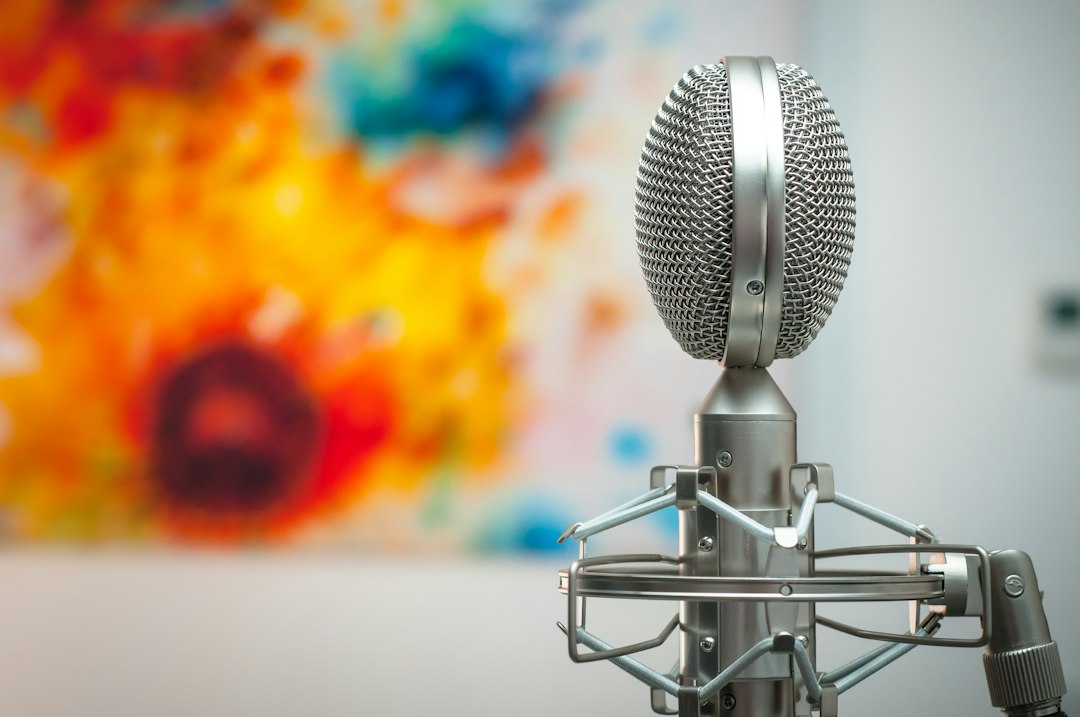
An impulse response is a snapshot of a specific cabinet, speaker, mic, and mic position captured in a room. Swap any one of those and you get a different IR. If you are new to the concept, our explainer on what impulse responses are covers the fundamentals. A few things separate a great IR from a frustrating one:
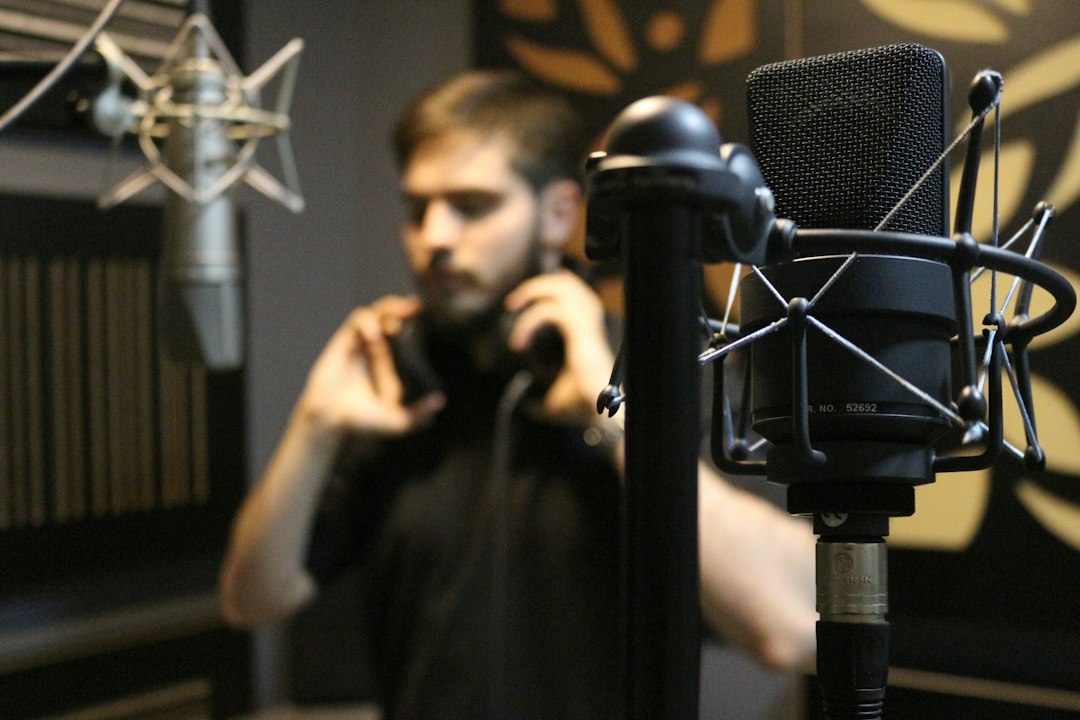
- Mic choice and position. A Shure SM57 on the cap sounds bright and aggressive; moving toward the cone edge darkens it. The best packs give you both, plus ribbon and condenser options.
- Mixed IRs. Many pro tones are two mics blended. Good libraries ship pre-mixed IRs (for example a 57 plus a ribbon) so you skip the blending stage.
- Sensible file naming. Hundreds of cryptic filenames will kill your workflow. The better makers label by speaker, mic, and position.
- Room vs close-mic options. A touch of room IR adds depth without reverb plugins.
You load these files into a cab loader — the one built into your amp sim, or a free loader like Ignite Amps NadIR. From there it behaves like a speaker in front of a mic.
If you would rather work with a dedicated plugin than loose IR files, see our picks for the best cab sim plugins for guitar and bass.
The best guitar cab IR makers
Celestion
Celestion makes the actual speakers in a huge share of guitar cabinets, and they sell official IRs of their own drivers — Vintage 30, Greenback, Creamback and more. If you want an authentic capture of a classic speaker, going straight to the source is hard to argue with. The packs are organised by speaker model with several mic and position options.
OwnHammer
OwnHammer is a long-standing favourite for metal and rock players, known for huge, detailed libraries covering many classic cab-and-speaker combinations. The packs are exhaustive — lots of mics, positions, and pre-mixed blends — which is either a strength or overwhelming depending on how you like to work. Start with the included “mixes” folder and tweak from there.
ML Sound Lab
ML Sound Lab is popular for tight, modern high-gain tones and offers “Mix” IRs designed to be drop-in ready, plus its Cab Pack format and the Mikko cab loader. If you record metal or hard rock and want a usable tone in seconds, their curated mixes are a strong starting point.
York Audio
York Audio has a reputation for natural, musical captures that need very little EQ to sit well. The packs are smaller and more curated than OwnHammer’s, with clear naming and tasteful pre-mixed options — a good fit if you find giant libraries paralysing.
Free and bundled IRs
You do not have to buy anything to start. Many amp sims ship with capable cab sims, and free IR packs are everywhere. Ignite Amps NadIR is a free cab loader, and free speaker captures will get you a long way while you learn what you actually like. Our roundup of the best free amp sims pairs nicely with free IRs for a no-cost rig.
How to choose the right cab IR
Pick the cab to match the genre, not the other way round. A 4×12 with Vintage 30s is the default for modern metal and rock; a 1×12 or 2×12 with Greenbacks or alnico speakers suits blues, classic rock, and lower-gain tones. Then audition mic positions:
- Cap / centre: brightest and most aggressive.
- Cap edge: the classic balanced rock tone.
- Cone / off-axis: darker and rounder, good for taming fizz.
Always audition IRs inside your full mix, not soloed. An IR that sounds dull alone often cuts perfectly through a band, and a soloed IR that sounds huge can turn to mush against drums and bass. If you are dialling tones from scratch, our guide on how to dial in amp sim tones walks through the order of operations.
Common IR mistakes to avoid
- Stacking too many. One or two well-chosen IRs beat a pile of blended ones.
- Loading the wrong sample rate. Most loaders handle this, but a 44.1k IR in a 96k session can sound off if your loader does not resample.
- Ignoring the high end. If a tone is fizzy, change the IR or mic position before reaching for a low-pass filter. The fix usually lives in the cab.
For the full chain from string to render, see how to get a good guitar tone when recording and how to use amp sims.
Frequently asked questions
Do I need to buy IRs, or are the stock ones fine?
Stock cab sims in modern amp sims are genuinely good, and free IR packs cover a lot of ground. Third-party guitar cab IRs from makers like OwnHammer or York Audio are worth it once you know the specific cab and mic tones you keep reaching for.
What is the difference between an IR and a cab sim?
A cab sim is the broader feature that models a speaker cabinet; an IR is the specific captured file it plays back. Most cab sims are IR-based under the hood. You load IR files into a cab loader or use the modeller’s built-in cab block.
How many mic positions do I really need?
For most home recordists, two are plenty: a brighter close-mic IR and a darker or room option to blend toward. Pre-mixed IRs collapse that choice into one file, which is the fastest path to a finished tone.