So what are impulse responses? An impulse response (IR) is a captured “fingerprint” of how a sound is shaped by something — most commonly a guitar speaker cabinet, microphone and room. In guitar recording, IRs let an amp sim recreate the exact tone of a miked cabinet without any real speaker or microphone. They are the secret behind why modern amp sims sound so convincing.
What are impulse responses, in plain terms?
Think of an IR as a recording of how a system reacts to a single, instantaneous burst of sound. By capturing that reaction, software can apply the same tonal shaping to any signal you play through it. For guitar, that usually means the combined sound of:
- A specific speaker cabinet.
- One or more microphones.
- The mic positions used.
- A touch of the room they were captured in.
Load that IR into a cab loader or amp sim, and your guitar takes on that miked-cab character instantly. It is the digital equivalent of miking a guitar cab, captured once and reusable forever.
How an impulse response is actually captured
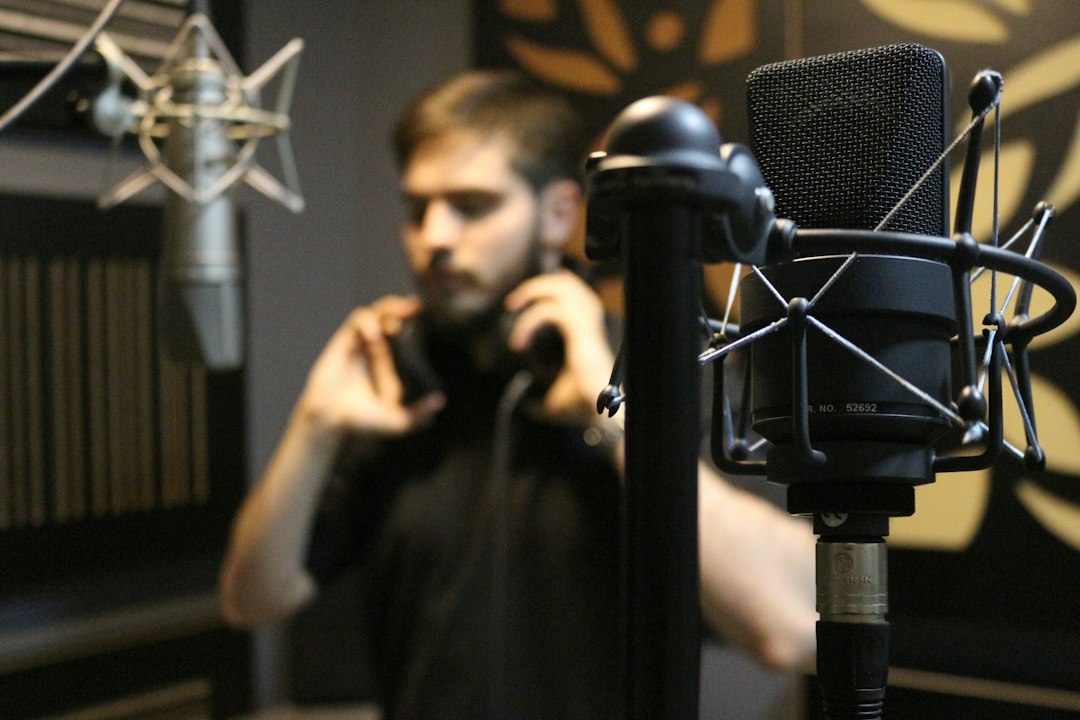
It helps to picture what is happening when an IR is made. An engineer sets up a real cabinet, mics it exactly as they would for a record, and then feeds the system a known test signal — often a sine sweep that glides across the whole frequency range, or a short burst of noise. The microphone captures how that cab, mic and room respond at every frequency: which frequencies get boosted, which get rolled off, and how the sound decays over the first few milliseconds. Software then mathematically reduces all of that into a single short file, usually only a fraction of a second long.
Because the file describes the system’s full frequency and time response, your DAW can apply it to any guitar signal through a process called convolution. In effect, your dry amp signal is “stamped” with the character of that exact miked cab. This is why two IRs of the same cabinet can sound completely different: move the mic an inch toward the centre of the speaker and the IR captures a brighter, more aggressive tone; move it toward the edge and it captures something warmer and rounder.
Why IRs matter so much for guitar tone
Beginners obsess over the amp, but the cabinet and mic shape the tone enormously. A great amp through a bad cab sounds bad; a modest amp through a great IR can sound superb. That is why swapping IRs often improves your tone more than swapping amps. If you are working with software, this ties directly into what an amp sim is and how its cabinet stage works.
To put this into practice, our roundup of the best cab sim plugins covers the loaders and cab simulators worth installing.
Where IRs come from
IRs are created by capturing real cabs and mics, then sold or shared as small files. Well-known providers include Celestion, OwnHammer, ML Sound Lab and York Audio, and many free IRs are available to get started. The best ones come from carefully miked, high-quality cabs, which is why commercial IR packs are popular. We round up options in the best guitar cab IRs.
How to use IRs in your DAW
There are two common setups:
- Inside an amp sim. Most amp sims have a cab section where you can load third-party IRs in place of the built-in cabs. Just point it at your IR file.
- With a separate IR loader. If your amp plugin or a real preamp has no cab stage, add a dedicated IR loader plugin after it. A free loader like Ignite Amps NadIR works well and lets you blend two IRs at once.
A typical chain runs: noise gate, drive, amp sim (with its cab off), IR loader, then EQ and reverb. For the full workflow, see how to use amp sims, and once the signal flow is set you can dial in amp sim tones around your chosen IR.
Tips for choosing and using IRs
- Less is more. Start with one good IR rather than stacking many; clarity beats clutter.
- Blend two IRs (for example a brighter and a darker mic position) to dial in the balance you want.
- Match the IR to the genre. A tight, mid-forward IR suits a metal guitar tone; a smoother one suits blues and classic rock.
- Audition in the mix. Choose IRs against bass and drums, not soloed.
- Use EQ after the IR to fine-tune, not to fix a wrong choice. Our guide to EQing guitars helps.
Common mistakes to avoid
Most IR problems come from a handful of habits rather than the files themselves. Watch out for these:
- Leaving the amp sim’s own cab on. If you load an IR in a separate loader but forget to switch off the built-in cabinet, you are stacking two speaker simulations and the tone turns muddy and boxy. Use one cab stage only.
- Auditioning everything soloed. An IR that sounds thrilling on its own can vanish or clash once the full band is playing. Always make the final call in context.
- Chasing tone by collecting hundreds of IRs. A small, trusted set you know well will serve you better than an enormous library you never learn. Two or three reliable favourites cover most songs.
- Forgetting sample rate. IRs are tied to a sample rate. Using a 44.1 kHz IR in a 96 kHz session is usually handled automatically by good loaders, but a mismatch can subtly shift the tone, so keep an eye on it.
- Reaching for EQ before changing the IR. If a tone is fundamentally too dark or too harsh, a different IR or mic position fixes it far more naturally than piling on EQ.
IRs beyond guitar cabs
The same technology captures reverbs (convolution reverb uses room IRs) and other gear, but for guitarists the cab IR is the one that matters most. Bass players use IRs too, though many prefer a clean DI blended with an amp tone — see how to get a good bass tone.
Frequently asked questions
Do I need IRs if my amp sim already has cabs?
Not strictly, but third-party IRs usually sound more realistic and varied than stock cabs. Swapping in a quality IR is one of the easiest and biggest tone upgrades you can make.
Are free impulse responses any good?
Yes. Many excellent free IRs exist and can rival paid ones. Paid packs offer more options and consistency, but you can get professional results with free IRs while you learn what you like.
What is the difference between an IR and a cab sim?
A cab sim is the part of an amp sim that recreates the speaker and mic. Many cab sims use impulse responses to do this. So an IR is the data that captures a cab and mic, and a cab sim is the tool that plays it back.
Why do two IRs of the same cabinet sound different?
Because an IR captures a specific mic, mic position and room, not just the speaker. Move the microphone toward the centre of the cone and you get a brighter, edgier capture; move it toward the edge and you get a warmer one. Different mics and rooms add their own colour on top, so a single cabinet can yield dozens of distinct IRs.