
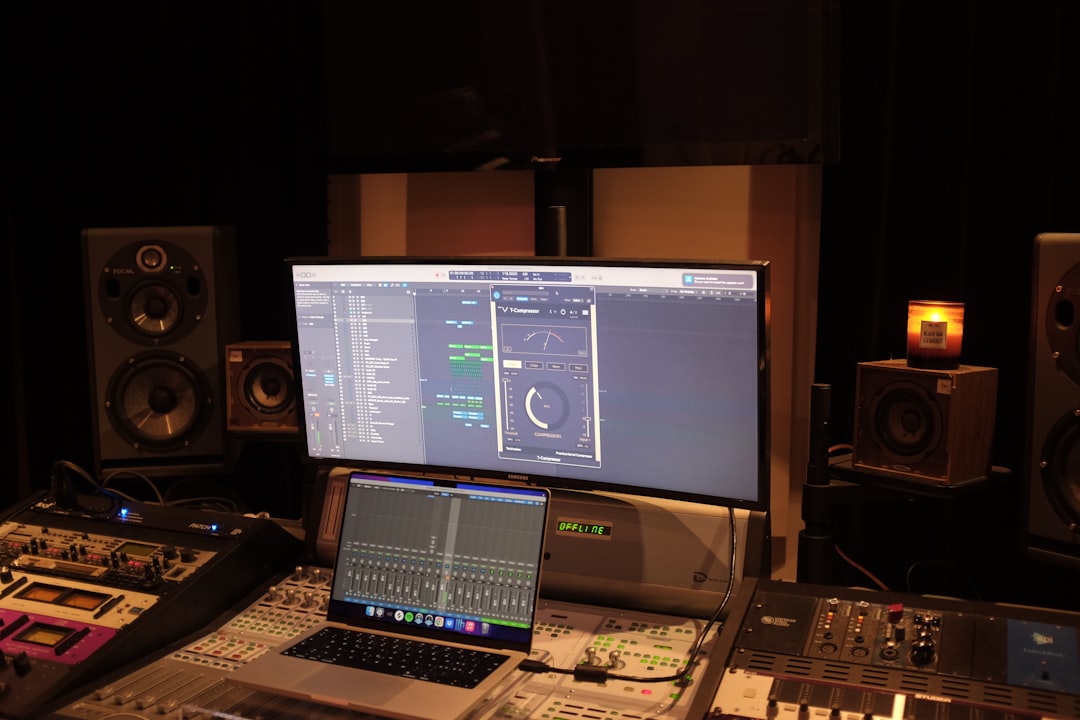
A great mastering compressor plugin does something almost magical: it takes a good mix and makes it sound finished, gluing the elements into one cohesive record while adding subtle punch and forward energy. Unlike a limiter, which is about catching peaks, a mastering compressor is about gentle, musical control of the whole stereo bus, usually with just 1-3 dB of gain reduction. Get the settings right and nobody can tell it is even working; get them wrong and you flatten the life out of the song. Here are the compressors worth owning and the exact settings that make them sing.
What a mastering compressor is actually for
The purpose is cohesion and micro-dynamics, not loudness. On a two-track master you are compressing a full mix, so tiny amounts go a long way: aim for a gentle ratio of 1.5:1 to 2:1 and no more than 1-3 dB of gain reduction on the loudest sections. A slow attack of 30-100 ms lets transients (the snap of the snare, the pluck of a guitar) pass through before the compressor grabs, preserving punch, while a medium-to-slow release timed to the tempo (or set to auto) lets the level recover musically between beats so the track breathes rather than pumps. Set the release too fast and you get distortion and pumping on the bass; too slow and the compressor never recovers and the mix goes lifeless. The knee should be soft for transparency. This is surgery with a feather, not a hammer.
The mastering compressors worth buying
- Bus/VCA “glue” compressors (SSL G-bus style) are the classic mastering and mix-bus choice. Many brands model the SSL 4000 bus compressor, and it excels at cohesion. Set ratio 2:1, attack 30 ms, release auto, and pull threshold for 1-2 dB of gain reduction. Pros: instant glue and punch, forgiving, the sound of countless hit records. Cons: can sound generic if overused; not the most transparent option for delicate acoustic material.
- TDR Kotelnikov is a mastering-grade wideband dynamics processor with independent peak and RMS release controls, and there is a capable free version. Pros: exceptionally clean and transparent, dual-release design keeps low end tight while controlling the body, superb value (free tier is excellent). Cons: clinical rather than characterful; no analogue colour if that is what you want.
- The dynamics module in iZotope Ozone offers up to four bands of compression with detection filtering and a Learn feature. Pros: multiband control tames a boomy low end or harsh mids independently, integrated into a full chain, beginner-friendly. Cons: multiband is easy to overdo; wideband is usually the better default.
- Optical compressors (LA-2A / Vari-Mu style, e.g. Fairchild and Manley Vari-Mu emulations) add gorgeous slow, program-dependent smoothing and analogue warmth. Pros: beautiful, musical, forgiving on vocals-forward pop and soul; the tube/opto flavour glues without sounding “compressed.” Cons: slower and less precise; not ideal when you need surgical control.
- For gentle broadband control, a FabFilter Pro-MB handles the multiband job with pristine quality and dynamic-band precision. Pros: transparent, flexible, brilliant for taming a single problem band (e.g. a boomy 80-120 Hz) rather than the whole mix. Cons: a multiband tool, so easy to over-process; wideband glue still wants a bus compressor.
Settings that actually work on a master
Because the mix is already balanced, the reasoning behind each control is about preserving what is there:
- Ratio 1.5:1 to 2:1: low ratios keep it gentle. Higher ratios belong on individual tracks, not the master.
- Attack 30-100 ms: slow enough that drum transients punch through before compression clamps down. If the mix sounds duller, your attack is too fast and is eating transients.
- Release: tempo-synced or auto: a release that recovers roughly in time with the beat (often 100-300 ms depending on tempo) keeps the groove alive. Watch the gain-reduction meter dance in time with the music, returning to zero between hits.
- Gain reduction 1-3 dB max: if you need more than that, the mix itself is uneven and you should ask for a better mix or use stems, not crush the two-track.
- Match makeup gain and A/B: compression raises perceived loudness, which always sounds “better.” Turn the output down to match bypass and confirm the compressed version genuinely sounds more cohesive and punchy, not just louder.
- Sidechain high-pass: engage a high-pass on the detector around 60-100 Hz so the kick and bass do not trigger the whole compressor to duck. This single tweak stops most mastering-compression pumping.
Consider parallel compression too: blend a heavily compressed copy underneath the dry master (a wet/dry mix, or a New York-style parallel bus) to add density and consistency while keeping the transients of the uncompressed signal. On a master, even 10-20 percent of a squashed parallel signal can add welcome glue without audible pumping.
Which mastering compressor should you pick?
For most people the answer is two tools: an SSL-style bus compressor for glue and punch, and TDR Kotelnikov (start with the free version) for transparent, surgical control when the material is delicate. Reach for an opto/Vari-Mu emulation when a track wants warmth and smoothness, and keep a clean multiband like FabFilter Pro-MB for the specific job of taming one unruly frequency band. Whatever you choose, remember the mastering compressor is there to unify and gently energise a finished mix, not to fix it or make it loud. Keep the gain reduction small, respect the transients, and let the song breathe.
Finish your chain with our guides to the best mastering EQ plugins and the best mastering limiters, and check your loudness and dynamics after compression with the free meter in our audio tools hub.



