
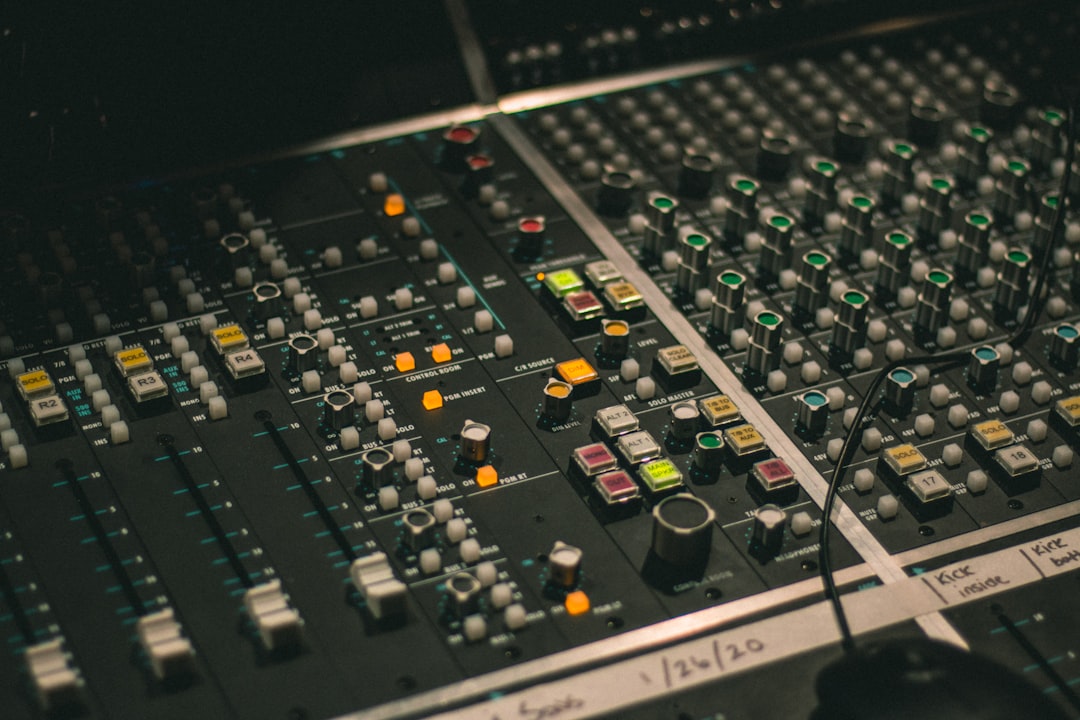
Picking the best mastering EQ is really about picking restraint. At the mastering stage you are not fixing a mix, you are nudging a finished stereo file into balance across every playback system, and the moves that separate a pro master from a muddy one are usually smaller than 2 dB. The right EQ makes those gentle, wide moves feel invisible while still cleaning up boxiness, taming harshness, and adding air. Here are the mastering EQs worth owning, and the exact frequencies and amounts to reach for.
What makes an EQ good for mastering
A mixing EQ carves; a mastering EQ shapes. The best mastering EQ gives you very low-slope, broad-Q bands, precise gain in fractions of a dB, a clean matched-stereo or mid/side mode, and minimal phase colouration (or a choice of linear-phase for surgical work). You want to make moves like a +1 dB high shelf from 10 kHz for air, a -1.5 dB wide dip around 300-400 Hz to unmuddy, or a gentle +0.5 to +1 dB low shelf under 100 Hz for weight, all with a wide Q of roughly 0.5-1.0 so nothing sounds pinched. If you find yourself reaching for a 6 dB cut on a master, stop; that is a mix problem to solve on the stems, not the two-track.
The mastering EQs worth buying
- FabFilter Pro-Q 3 is the default recommendation for a reason. Dynamic bands, per-band mid/side, natural/linear/minimum phase modes, and a real-time analyser make it equally at home doing a 0.7 dB tilt or a dynamic notch on a harsh 3.2 kHz that only spikes on the chorus. Pros: surgical and musical, superb workflow, per-band M/S, low CPU. Cons: so capable it tempts over-processing; the clean sound has no built-in “character.”
- Maag EQ4 (and clones) is the go-to for air. Its famous Air Band shelves at 2.5, 5, 10, 20, or 40 kHz open up a dull master beautifully. Pros: the Air Band adds sheen that other EQs struggle to match, simple, fast. Cons: broad fixed frequencies mean it is a flavour tool, not a corrective one; easy to overdo the top end into sibilance.
- The iZotope Ozone EQ module offers both a clean digital EQ and an analogue-modelled mode, with mid/side and a Match EQ that can pull a target tonal curve from a reference track. Pros: reference matching is genuinely useful for beginners, integrated into a full chain, flexible phase modes. Cons: Match EQ overshoots if you apply it 100 percent; best used at 30-50 percent strength.
- Passive/Pultec-style EQs (many brands model the classic EQP-1A) shine for broad musical tone. The Pultec trick of simultaneously boosting and cutting the same low frequency (e.g. boost and attenuate at 60-100 Hz) produces a tight-but-full low end no parametric curve replicates. Pros: gorgeous, forgiving low-end and top-end colour. Cons: not surgical, fixed frequency steps, adds harmonic colour you may not always want.
- Free option: TDR Nova or TDR SlickEQ punch far above their price of zero. Nova is a dynamic parametric EQ that can do dynamic-band mastering moves for free. Pros: excellent quality, dynamic bands, no cost. Cons: less polished workflow and metering than the paid tier.
Broad-stroke moves that actually work
The value of a master is in the why, so here is the reasoning behind the common moves:
- Muddiness (200-400 Hz): a wide -1 to -2 dB dip at 250-350 Hz clears the “blanket over the speakers” build-up that stacks up when many mixed elements share the low mids. Keep Q around 0.7 so it is a tilt, not a hole.
- Boxiness (400-600 Hz): a subtle -1 dB helps congested mixes breathe; go easy, this range holds warmth too.
- Harshness/fatigue (2.5-4 kHz): a dynamic -1 to -2 dB band that only engages when the ear-piercing frequencies spike keeps the master listenable at volume without dulling quiet sections. This is where dynamic EQ beats static EQ.
- Air and openness (10-16 kHz): a +1 to +1.5 dB high shelf adds sparkle and perceived detail. If it turns sibilant, you went too high or too far; back off or move the corner up to 12 kHz.
- Weight (below 100 Hz): a +0.5 to +1 dB low shelf adds body, but sub-30 Hz rumble should be cut with a gentle high-pass around 20-25 Hz to stop your limiter wasting headroom on inaudible content.
Use mid/side to your advantage: a small high-shelf boost only on the sides widens and airs out the stereo image, while keeping the centre (vocal, kick, bass, snare) focused. Cutting a little low end from the sides and keeping bass mono below ~120 Hz tightens the master and prevents phase cancellation on club and vinyl systems.
Which EQ should you master with?
If you buy one, buy FabFilter Pro-Q 3: it covers every corrective and creative move with the cleanest workflow going, and its dynamic bands quietly solve problems that used to need multiband compression. Pair it with a Pultec-style or Maag-style colour EQ for the days a master needs warmth or air rather than correction, and keep TDR Nova installed as a free dynamic backup. Above all, master with your ears calibrated: make the move, bypass it, and if you cannot clearly hear the improvement, the move is probably too small to keep or the problem is upstream.
Next in the chain, see our guides to the best mastering compressor plugins and the best mastering limiters, and use the free spectrum analyser in our audio tools hub to check your tonal balance against a reference before you commit.



