
Vinyl rewards the listener who sets it up properly. A good deck tracks the groove cleanly, holds speed so sustained piano notes do not waver, and keeps motor rumble out of the bass. The best record player for you depends on three things: how much you want to tinker, what you will plug it into, and how much of your budget should go to speakers instead. This hub covers proven turntables from entry level to splurge, with honest trade-offs, a comparison table and the setup details engineers care about. If you already know your price ceiling, our narrower guides go deeper on each band.
What separates a good turntable from a toy
Four parts do most of the work. The cartridge and stylus turn groove wiggles into a tiny electrical signal; a decent moving-magnet cartridge with a replaceable stylus is the baseline. The tonearm has to hold that stylus at the right downforce, called tracking force, set with a counterweight. Too light and the stylus skates and distorts on loud passages; too heavy and it wears records faster. Anti-skate counters the arm’s pull toward the centre so both channels stay balanced. Finally, the platter and motor set speed stability: belt drive isolates motor vibration well, while direct drive gives fast start-up and rock-solid speed, which is why DJs love it.
Then there is the phono stage. A cartridge outputs a very quiet signal with the bass cut and treble boosted (the RIAA curve), so it needs a phono preamp to restore level and tonal balance. Many decks below have one built in with a switch, so they can feed powered speakers directly. If your amplifier already has a phono input, switch the internal stage off.
Our picks for the best record player at every budget
Audio-Technica AT-LP60X
The Audio-Technica AT-LP60X is the default first deck for a reason. It is fully automatic, so one button lowers and returns the arm, and it has a switchable phono preamp plus a replaceable diamond stylus. The tracking force is preset at the factory, which removes the most common beginner mistake.
Best for: anyone who wants plug-and-play vinyl with no adjustment at all.
- Pros: foolproof automatic operation, built-in phono stage, cheap replacement stylus.
- Cons: no cartridge upgrade path, and the light platter is less refined than pricier decks.
Sony PS-LX3BT
The Sony PS-LX3BT is Sony’s newer full-auto deck with Bluetooth output and a switchable phono EQ. It can stream to wireless speakers or headphones, or connect by cable to a receiver or powered speakers.
Best for: casual listeners who want vinyl in a living room already built around Bluetooth speakers.
If wireless playback is the priority, our dedicated list of the best Bluetooth record players compares more decks that stream to speakers and headphones.
- Pros: one-step auto start, stop and return; flexible wired and wireless outputs.
- Cons: Bluetooth adds a lossy digital step, so a wired connection will always sound cleaner.
Fluance RT82
The Fluance RT82 is where turntables start to feel like hi-fi. It ships with an Ortofon OM10 cartridge, an adjustable counterweight and an electronic speed control motor, sitting on a heavy wood plinth with isolation feet. It has no built-in phono stage, so pair it with a preamp or an amp that has a phono input.
Best for: listeners ready to learn basic setup in exchange for clearly better detail and stability.
- Pros: quality cartridge, steady speed, solid build for a mid-range price.
- Cons: manual only, and you must budget for a phono preamp.
Audio-Technica AT-LP120XUSB
The Audio-Technica AT-LP120XUSB is a direct-drive deck in the classic DJ layout: three speeds including 78, variable pitch with quartz lock, an S-shaped tonearm with adjustable anti-skate and a USB output for digitising records. For producers it doubles as a sampling deck you can record straight into a DAW.
Best for: musicians and crate-diggers who want to rip vinyl and play with pitch.
- Pros: fast, stable direct drive; USB output; full manual adjustments.
- Cons: busy DJ-style looks and more controls than a pure listener needs.
Denon DP-400
The Denon DP-400 pairs a curved tonearm with semi-automatic convenience: you lower the needle, and it lifts and stops at the end of the side. It plays 33, 45 and 78, has a speed auto sensor and a built-in phono equaliser, and its clean design suits a modern living room.
Best for: design-minded listeners who want auto-lift peace of mind without a cheap-feeling deck.
- Pros: auto-lift protects records, three speeds, built-in phono stage.
- Cons: fewer upgrade-friendly tweaks than enthusiast decks at a similar price.
Pro-Ject Debut Carbon EVO
The Pro-Ject Debut Carbon EVO is the enthusiast’s benchmark below the splurge band. A carbon-fibre tonearm, heavy steel platter and Sumiko Rainier cartridge give it low resonance and an open, controlled sound. It is fully manual and needs an external phono stage.
Best for: listeners building a proper separates system who want room to upgrade the cartridge later.
- Pros: excellent arm, quiet running, upgrade-friendly.
- Cons: no built-in preamp; speed change needs care; setup takes patience.
Fluance RT85
The Fluance RT85 steps up from the RT82 with an acrylic platter and an Ortofon cartridge from the 2M family, plus the same speed-controlled motor and vibration isolation. It is a lot of turntable for buyers who want top-tier detail without heading into exotic pricing.
Best for: upgraders who outgrew an entry deck and want a meaningful jump in clarity.
- Pros: premium cartridge included, dense acrylic platter, quiet motor.
- Cons: needs a phono preamp and a decent system to justify the outlay.
Victrola Stream Carbon
The Victrola Stream Carbon solves a modern problem: playing vinyl through a Sonos system. It streams over Wi-Fi or Ethernet, also offers Bluetooth and RCA out, and uses an Ortofon 2M Red cartridge with a carbon-fibre tonearm.
Best for: households with Sonos speakers who refuse to run extra boxes and cables.
- Pros: seamless multi-room playback, good cartridge, tidy setup.
- Cons: the signal is digitised, which purists dislike, and it relies on app and network stability.
For the splurge band, a Rega Planar 1 or Planar 3 is also worth auditioning at a specialist dealer.
Comparison table
| Product | Best for | Key feature |
|---|---|---|
| Audio-Technica AT-LP60X | Zero-fuss first deck | Fully automatic, built-in preamp |
| Sony PS-LX3BT | Bluetooth living rooms | Auto playback, Bluetooth out |
| Fluance RT82 | First hi-fi step | Ortofon OM10, speed control |
| Audio-Technica AT-LP120XUSB | Ripping and sampling | Direct drive, USB, pitch |
| Denon DP-400 | Style plus safety | Auto-lift, three speeds |
| Pro-Ject Debut Carbon EVO | Separates systems | Carbon-fibre arm |
| Fluance RT85 | Serious upgraders | Acrylic platter, Ortofon 2M |
| Victrola Stream Carbon | Sonos homes | Wi-Fi vinyl streaming |
How to choose
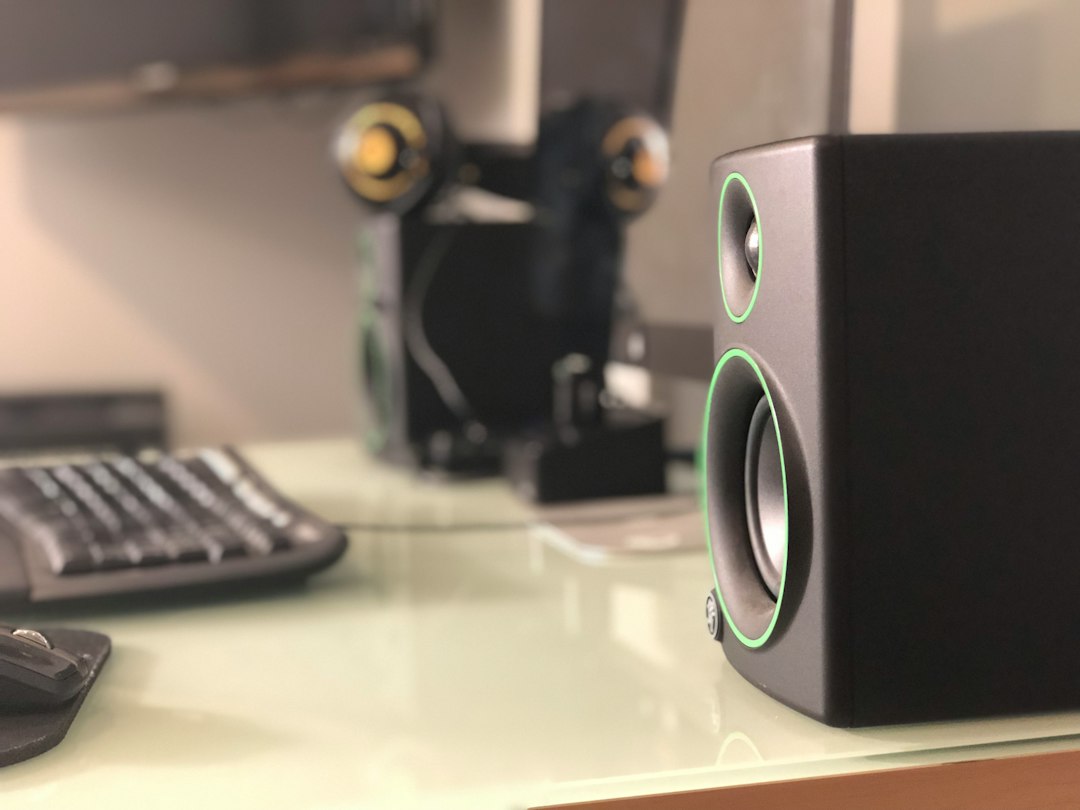
Split the budget sensibly. A turntable can only sound as good as the speakers it drives. A modest deck through good speakers usually beats a premium deck through weak ones. See our guide to the best speakers for record players before you spend everything on the deck.
Check the phono situation. If your speakers or amp have no phono input, choose a deck with a built-in preamp or add an external one. Not sure? Our explainer on whether you need a phono preamp walks through it.
Automatic or manual. Automatic decks protect records from clumsy hands and end-of-side wear. Manual decks reward you with better arms and upgrade options.
Placement matters. Keep the turntable off the same surface as your speakers and away from walls that resonate. Bass energy travelling back into the stylus causes muddy sound or even howling feedback at high volume.
Shopping tight? Start with our best budget record players. Buying for a newcomer? Our record players for beginners guide prioritises ease of use, and the gifts for vinyl lovers list covers the extras.
FAQ
Is a turntable better than a record player?
The terms overlap. People usually say “record player” for an all-in-one with speakers and “turntable” for a deck that feeds a separate amp and speakers. Separates almost always sound better and are easier to upgrade one part at a time.
How often should I replace the stylus?
A common guideline is somewhere between several hundred and around a thousand hours of play, depending on the stylus shape and how clean your records are. Replace it sooner if you hear harsh sibilance or distortion that was not there before.
Do cheap record players damage records?
Decks with heavy tracking weights and basic ceramic cartridges can wear grooves faster over time. Any deck with a proper moving-magnet cartridge and correct tracking force, including the entry picks above, is gentle on your collection.



