
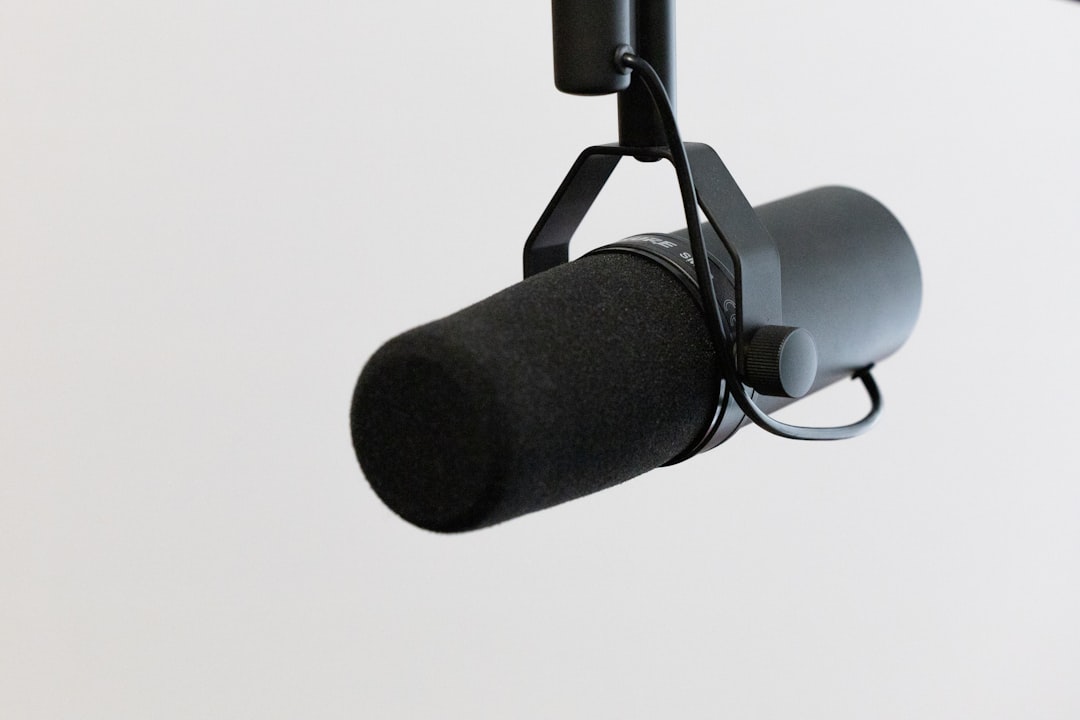
A ribbon microphone captures sound with a thin strip of corrugated metal suspended in a magnetic field, giving it a smooth, natural top end and a warm, vintage character. Ribbons excel on guitar amps, brass, strings and room mics where a condenser might sound harsh, and modern models are far more durable than their fragile reputation suggests.
Violet Recording is reader-supported — we may earn a commission from links on this page, at no extra cost to you.
Quick answer: for most home studios, the Royer R-121 is the professional standard, the AEA R84 is a classic for vocals and brass, and the sE Electronics X1 R or Beyerdynamic M160 offer the ribbon sound on a tighter budget.
How a ribbon microphone works (and why it sounds the way it does)
Unlike condensers, which use a charged diaphragm, a ribbon mic uses a featherweight metal ribbon that moves with air pressure. This gives ribbons their signature traits: a gentle, rolled-off top end that smooths harshness, and a native figure-8 polar pattern that picks up equally from front and back. To understand patterns generally, see microphone polar patterns explained, and for how ribbons differ from condensers and dynamics, read condenser vs dynamic microphones.
That rolled-off top is not a flaw to be corrected; it is the whole point. Where a bright condenser hands you every detail and dares you to tame it, a ribbon presents a finished-sounding tone with the harsh edges already softened. The figure-8 pattern also gives ribbons a pronounced proximity effect, so moving the mic closer to a source quickly thickens the low end. Used deliberately, that is a powerful tone-shaping tool; used carelessly, it can leave a recording muddy.
How to choose a ribbon microphone
- Active vs passive: passive ribbons output a low signal and need lots of clean preamp gain; active ribbons add internal electronics for a hotter, easier-to-use output (but require phantom power).
- SPL handling: modern ribbons take loud sources well, but never send phantom power to a passive ribbon unless the manufacturer says it is safe, and avoid direct blasts of air.
- Figure-8 pattern: the rear pickup is useful for room sound or Blumlein stereo, but means you must mind what is behind the mic.
- Preamp: passive ribbons love high-gain, low-noise preamps. If your interface preamp is weak, an active ribbon or an inline gain booster helps.
In practice, your first decision is almost always active versus passive, because it dictates everything downstream. If your interface only offers modest, slightly noisy gain — as many entry-level units do — a passive ribbon will fight you, hissing as you crank the gain to reach a usable level. An active ribbon, or a passive ribbon paired with a dedicated inline booster, sidesteps that problem and is the more forgiving starting point for a home setup. Once you have a quiet, high-gain front end — ideally one of the best microphone preamps — passive ribbons open up and reward you with the purest version of the classic tone.
Best ribbon microphones for the studio
The Royer R-121 is the modern benchmark, beloved on electric guitar amps and built to handle high SPL. The AEA R84 delivers a big, classic ribbon tone on vocals, brass and strings. The Beyerdynamic M160 is unusual as a hypercardioid ribbon and a long-time favourite on guitar and drums. For a high-output active option, the Royer R-122 simplifies gain matching.
Best budget ribbon microphones
You no longer need a huge budget to try ribbons. The sE Electronics X1 R and Avantone CR-14 bring the smooth ribbon character to project studios, and several affordable Chinese-made ribbons (often rebadged) are surprisingly capable on amps. They reward a clean, high-gain preamp.
What ribbons are best at
Reach for a ribbon when a source sounds too bright or brittle through a condenser. They shine on:
- Electric guitar amps — smooth and natural, see recording electric guitar and our picks for the best microphones for guitar amps
- Brass and woodwind — tames harsh edges
- Drum overheads and room mics — silky cymbals, and a natural pairing with the best microphones for recording drums
- Some vocals — flattering on bright or sibilant voices
For more mic types and how they fit your setup, browse the microphones category.
How to use a ribbon mic well
Placement matters more with a ribbon than with almost any other mic, because the figure-8 pattern is listening in two directions at once. On a guitar amp, start with the mic a few inches from the grille, roughly on-axis with the speaker cone, then walk it toward the edge of the cone to dial in less brightness and more body. Because the rear lobe is live, point the back of the mic at whatever you want to capture less of — a reflective wall, a noisy amp fan, or another instrument bleeding into the room.
Treat the ribbon itself with respect rather than fear. The element is delicate to fast air movement, so use a ribbon off-axis or further back on sources that push a lot of air, such as kick drums and close vocals, and always store the mic vertically to stop the ribbon sagging over time. The single most important habit is to mute the channel and disengage phantom power before patching a passive ribbon, since a live 48V supply hitting the ribbon during plug-in can stretch or tear it instantly.
Common mistakes to avoid
- Hot-patching with phantom power on: the classic and most expensive error. A surge across a passive ribbon during connection can ruin the element. Switch 48V off, patch, then enable it only if the mic is active.
- Under-powering a passive ribbon: if all you hear is hiss, the problem is usually a weak preamp, not the mic. Add gain at the front end before blaming the ribbon.
- Forgetting the rear lobe: a figure-8 mic captures the room behind it as much as the source in front. An untreated wall or open doorway behind the mic colours the whole take.
- Over-EQing the highs back in: if you find yourself adding large amounts of top end, you may simply have chosen the wrong mic for that source. The ribbon’s smoothness is its purpose, not a defect to undo.
Frequently asked questions
Are ribbon microphones fragile?
Vintage ribbons were delicate, but modern ribbon microphones are built to handle normal studio use, including loud guitar amps. The main rules are to avoid strong air blasts (use them off-axis on kick drums and vocals) and never plug a passive ribbon into phantom power that is already switched on.
Do ribbon microphones need phantom power?
Passive ribbons do not need phantom power and can be damaged by it during patching. Active ribbons require phantom power to run their internal electronics. Always check whether your model is active or passive before flipping the 48V switch.
Why do ribbon microphones need so much gain?
Passive ribbons produce a low output level, so they need a quiet, high-gain preamp to reach a healthy signal without adding hiss. Active ribbons solve this with built-in electronics that boost the output before it leaves the mic.
Can I use a ribbon microphone for vocals?
Yes, and a ribbon can be flattering on bright, thin or sibilant voices, smoothing harshness that a condenser would emphasise. Use a pop shield and work slightly off-axis to protect the ribbon from plosive air, and be aware that the strong proximity effect will add warmth as the singer moves closer.



