This is a guide to listening gear for music lovers: record players and vinyl, speakers and subwoofers, headphones and DACs, and karaoke setups for home parties. It’s written for people building a first system or upgrading one piece at a time, and it explains how the parts connect so you can spend where it actually changes the sound.
Good listening gear is a chain, and the weakest link sets the ceiling. A great turntable through tiny speakers disappoints, and so do premium headphones fed by a noisy laptop output. Understand the chain first and the buying decisions get much easier.
How a listening system fits together
Every system has a source, something that amplifies it, and something that turns it into sound. With vinyl, the source is the turntable and its cartridge. The tiny signal from the cartridge then needs a phono stage to boost and equalize it before a normal amplifier can use it. Our explainer on whether you need a phono preamp covers the three common setups: built into the turntable, built into the amp, or a separate box.
With digital music, the source is a phone, computer or streamer, and a DAC converts the files to an analog signal. Many people never think about this step until they hear background hiss or thin, flat sound from a cheap output. That’s where a dedicated DAC for headphones and home listening earns its place. The final link is your speakers or headphones, and that’s usually where money makes the most audible difference.
Record players and vinyl
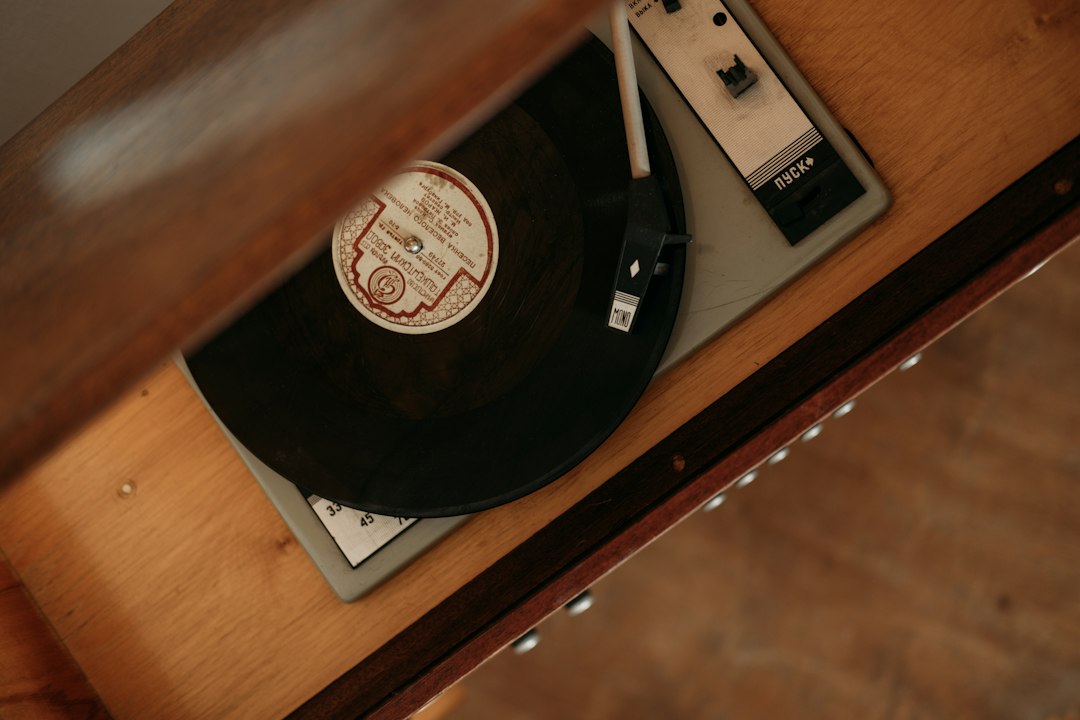
Start by clearing up the terms. Our guide to turntable vs record player explains the difference between an all-in-one unit and a separate turntable that feeds an amp and speakers. All-in-ones are convenient; separates sound better and can be upgraded one piece at a time. For a first deck, see our pick of record players for beginners, or step up to turntables in the mid-range if you want room to grow.
Setup matters as much as the purchase. A level surface away from the speakers, the correct tracking force and the right anti-skate setting protect both sound and records. Our walkthrough on setting up a record player covers each step, and when the stock stylus wears out, upgrading to one of the better turntable cartridges is often the single best improvement you can make.
Look after the records themselves, too. Dust is the main cause of crackle and extra stylus wear, so learn how to clean vinyl records safely and store them upright, never stacked flat. Our ideas for vinyl record storage help as a collection grows, and our guide to where to buy vinyl records covers both online shops and local stores.
Speakers, amps and subwoofers
For most rooms, a pair of bookshelf speakers is the sweet spot of size, sound and price. Powered models have the amplifier built in, so you only need a source; passive models need a separate amp but give you more freedom to mix and match. Our guides to powered bookshelf speakers and speakers for record players explain which pairing suits which setup, and if you go passive, browse amps and receivers for record players.
A few placement rules make any speaker sound better:
- Form an equal-sided triangle between the two speakers and your listening seat.
- Keep the speakers off the floor and ideally at ear height, angled slightly toward you.
- Pull them a little away from the back wall if the bass sounds boomy.
Small speakers can’t move much air, which is where a subwoofer for music helps. Set it to blend in rather than announce itself. After setting up, play our speaker test to confirm left and right are wired correctly and both drivers are working.
Headphones, earbuds and DACs
Headphones put a high-end sound within reach of a small space and a modest budget. Open-back designs sound more spacious but leak sound; closed-back models isolate better for shared homes and commutes. Our roundup of audiophile headphones covers both types, and audiophile earbuds and IEMs bring a similar level of detail to a pocket-sized format.
Some headphones need more power than a phone can supply, which shows up as low volume and weak bass. A headphone amp fixes that. For fun, try our 8D audio tool on a pair of headphones to hear how panning and spatial effects create a sense of movement around your head.
Protect the hearing that all this gear depends on. If you go to concerts or play in a band, concert earplugs reduce volume evenly so the music still sounds clear.
Karaoke and party sound
Home karaoke needs three things: a backing track without the lead vocal, a microphone, and speakers that can handle a voice cleanly. Our guide on setting up karaoke at home covers TV-based systems, all-in-one machines and DIY rigs. You can also make a karaoke version of almost any song by separating the vocals from a track, and our list of karaoke track makers compares the tools that do it. For louder gatherings, party speakers offer more volume and built-in mic inputs. Planning bigger events with a real PA? Our live sound guide takes it from there.
Explore the Hi-Fi, Vinyl & Listening guide
Start here
How-to guides
- How to Make a Karaoke Version of Any Song (Free)
- How to Set Up Karaoke at Home
- How to Set Up a Record Player Step by Step
- How to Clean Vinyl Records Safely
Gear picks
- The Best Karaoke Track Makers (Remove Vocals)
- The Best Headphone Amps for the Studio
- Best Audio Mixers for Karaoke
- Best Headphone Amps for Guitar
- Best Party Speakers for Music and Karaoke
- Best Karaoke Machines for TV
Comparisons & reviews
Free tools
Frequently asked questions
Do I need a phono preamp for my turntable?
Only if neither your turntable nor your amplifier has one built in. Check for a switch marked “phono/line” on the turntable or an input labeled “phono” on the amp. If you have neither, you’ll need a separate phono preamp, because a cartridge’s signal is far too quiet and unequalized to plug straight into normal line inputs.
What’s the difference between a turntable and a record player?
A record player usually means an all-in-one unit with built-in amplification and often speakers. A turntable is just the deck that spins and reads the record, so it needs a phono preamp, an amplifier and speakers. Separate components cost more to assemble but sound better and let you upgrade each part over time.
Are powered or passive speakers better for a record player?
Powered speakers are simpler, because the amplifier is built in and you only need a turntable with a phono preamp. Passive speakers need a separate amplifier, which adds cost and cables but lets you upgrade the amp and speakers independently. For a first system in a small room, powered speakers are usually the easier choice.
Can you make a karaoke track from any song?
Yes, in most cases. Vocal-removal tools use AI to separate the singer from the instruments, leaving a backing track you can sing over. Results depend on the original mix, so busy or heavily effected songs may leave faint vocal traces. For private home use it works very well, but sharing the results publicly raises copyright issues.
Can I connect a turntable to Bluetooth speakers?
A turntable can play through Bluetooth speakers if it has Bluetooth built in, or by sending its phono-preamped output to a separate Bluetooth transmitter. Bluetooth compresses the signal, so it trades some quality for convenience. For the best vinyl sound, a wired connection to powered speakers or an amplifier remains the better choice.
Why does my turntable hum or buzz through the speakers?
Turntable hum is most often caused by an unconnected ground wire, so attach it to the ground terminal on the phono preamp or amplifier. Loose cartridge connections, cables running beside power leads and a turntable placed near the amp can also add hum. Checking each connection one at a time usually finds the source.
How can I digitize my vinyl records on a computer?
Vinyl can be digitized with a USB turntable, or by connecting a turntable through a phono preamp into an audio interface’s line input. Record each side into recording software, then split the tracks and save them in a lossless format such as WAV. Cleaning records before recording reduces crackle in the digital files.
How often should a turntable stylus be replaced?
A turntable stylus should be replaced when it shows wear: dull or distorted highs, more sibilance, or the stylus skipping on records it once played cleanly. How long it lasts depends on the stylus type, tracking force and how clean the records are. The cartridge maker’s official site lists recommended replacement guidance and compatible styli.
Can studio monitors be used for hi-fi listening?
Studio monitors work well for home hi-fi listening, since they are powered speakers designed for accurate, uncolored sound. Some listeners find them less flattering than speakers tuned for enjoyment. A turntable needs a phono preamp before studio monitors, and the same triangle placement and ear-height rules apply as for bookshelf speakers.