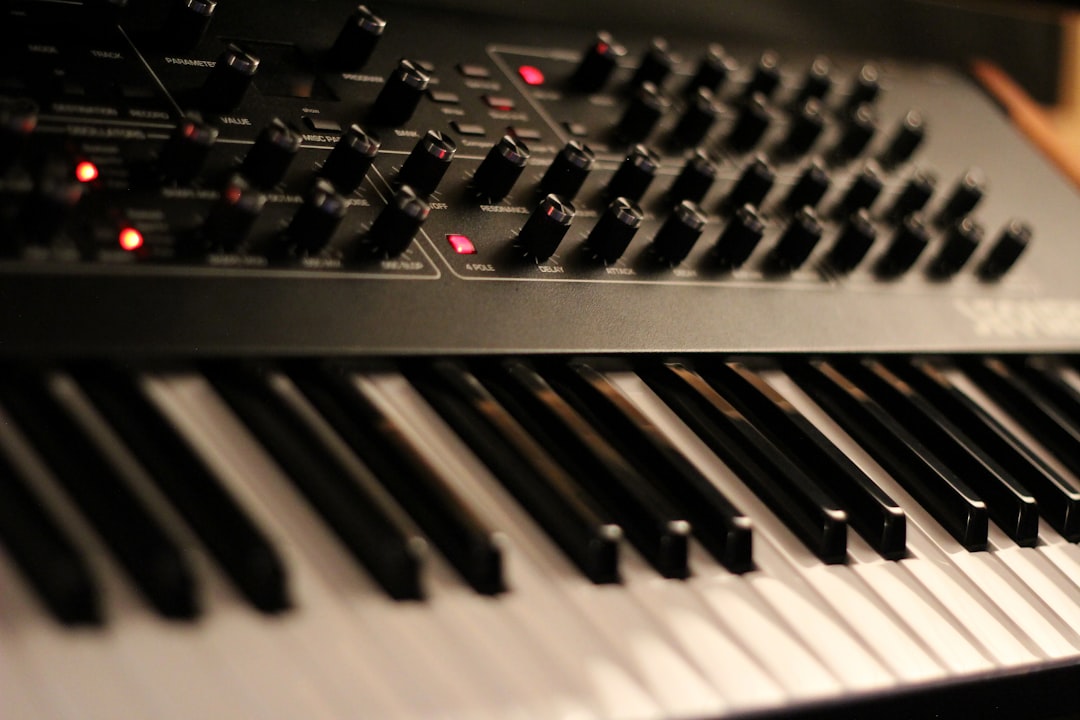
The best analog drum machines give you that physical, knob-twisting kick and snare that software often struggles to nail. Instead of playing back samples, they synthesise each drum sound from analog circuits, so every hit can be shaped live and no two patterns sound identical. That tactile immediacy is exactly why they’ve stayed popular for techno, house, electro and live performance.
Violet Recording is reader-supported — we may earn a commission from links on this page, at no extra cost to you.
Quick answer
If you want the classic lineage, the Roland TR-8S (which models the TR-808 and TR-909) is the obvious modern hub. For pure analog character on a budget, the Arturia DrumBrute and DrumBrute Impact are hard to beat. Behringer’s RD-8 and RD-9 offer affordable takes on the 808/909 formula, and Korg’s Volca series is the cheapest way to get hands-on analog percussion.
How analog drum machines actually work
An analog drum machine builds each sound from oscillators, noise and envelopes rather than recordings. A kick is typically a sine-ish oscillator with a fast pitch envelope; a snare blends a tuned tone with filtered noise; hi-hats are mostly noise shaped by short envelopes. Because those parameters are exposed as knobs, you can tune the kick’s decay, the snare’s snap or the hat’s length on the fly. This is the same subtractive thinking covered in our VCO, VCF and VCA explainer, applied to percussion.
This is the key difference from sample-based gear. If you want sampled or hybrid options too, compare this guide with our best grooveboxes and best hardware samplers roundups.
What to look for in an analog drum machine
- Genuine analog voices vs hybrid. Some machines are fully analog; others (like the TR-8S) model analog circuits digitally and add sample playback. Both sound great — just know which you’re buying.
- Per-voice tuning. The more parameters exposed per drum (tone, decay, snap, pitch), the more the machine becomes an instrument rather than a preset box.
- The sequencer. A great drum machine lives or dies by its sequencer: step entry, swing, parameter locks, accents and probability. This matters even more for live performance.
- Individual outputs. For serious recording you’ll want separate outputs per voice so you can process each drum independently. See how to record a hardware synth.
- Sync and connectivity. MIDI, clock and (on some) CV/gate let it lock to the rest of your rig. Our guide on syncing hardware synths covers keeping everything tight.
Compared at a glance
| Pick | Why it stands out |
|---|---|
| Roland TR-8S | Roland’s modern flagship uses its ACB modelling to recreate the legendary TR-808 and TR-909 voices, then adds sample… |
| Arturia DrumBrute and DrumBrute Impact | Fully analog, characterful and affordable. |
| Behringer RD-8 and RD-9 | Behringer’s RD-8 is an analog recreation of the 808 architecture, and the RD-9 targets the 909. |
| Korg Volca Drum and Volca Beats | The Volca line is the cheapest, most portable way into analog and analog-modelled percussion. |
Full picks and details below.
The best analog drum machines to consider
Roland TR-8S
Roland’s modern flagship uses its ACB modelling to recreate the legendary TR-808 and TR-909 voices, then adds sample import and per-voice outputs over USB. It isn’t purely analog, but it’s the most complete realisation of those iconic sounds with a deep, performance-ready sequencer. If the 808 and 909 are your target, start here.
Arturia DrumBrute and DrumBrute Impact
Fully analog, characterful and affordable. The original DrumBrute offers a large palette of voices with a Steiner-Parker filter across the mix and abundant individual outputs. The smaller Impact trims the voice count for a lower price while keeping the punch. Both have an excellent, hands-on sequencer with patterns, song mode and a “wild” randomisation feature.
Behringer RD-8 and RD-9
Behringer’s RD-8 is an analog recreation of the 808 architecture, and the RD-9 targets the 909. They bring those classic analog drum tones to a budget price with modern extras like individual outputs and trigger connectivity. They’re a sensible route if you want the sound of the originals without the vintage cost.
Korg Volca Drum and Volca Beats
The Volca line is the cheapest, most portable way into analog and analog-modelled percussion. Volca Beats leans into 808-style sounds, while Volca Drum is a digital-but-deeply-tweakable percussion synth. They’re battery-powerable and sync over clock, making them great companions in a larger setup.
Elektron-style sequencing alternatives
If you love analog drums but crave Elektron’s legendary sequencer, the Analog Rytm pairs analog drum voices with sample layering and parameter locks. It’s a step up in price and depth — our guide to Elektron gear explains where it fits.
Analog drum machine vs sampler vs groovebox
Choosing between categories matters as much as choosing a model:
- Analog drum machine — best for tunable, synthesised drums you shape in real time. Limited to the sounds it can generate.
- Sampler/MPC — best if you want to use your own recorded sounds or break sample-based genres. See our Akai MPC guide.
- Groovebox — best if you want drums plus melodic parts in one box.
Many producers end up with an analog drum machine for percussion and a sampler for everything else.
Getting the sound into your DAW
To record these properly you’ll want enough inputs on your interface to capture individual outputs, and clean gain staging. Our roundup of the best audio interfaces for hardware synths and the guide on connecting a hardware synth to your DAW will get you tracking quickly.
Frequently asked questions
Is the Roland TR-8S a real analog drum machine?
Not strictly. It uses Analog Circuit Behaviour modelling to recreate analog drum machines digitally, and it also plays samples. Sonically it gets extremely close to the 808 and 909 while adding modern flexibility. If “true analog signal path” is a hard requirement, look at the DrumBrute or Behringer’s RD series instead.
Do I need separate outputs on a drum machine?
Not to start. The main stereo out is fine for jamming and rough recording. But individual outputs become valuable when you want to EQ, compress or add effects to each drum separately in your DAW. If you plan to mix seriously, prioritise a machine that offers them.
Are analog drum machines better than samples?
Neither is better — they’re different. Analog machines excel at tweakable, evolving, punchy drums and live performance. Samples excel at realism, found sounds and chopped breaks. Many setups use both. Your genre and workflow should decide.
Shop related gear
Classic analog beats from dedicated hardware: