
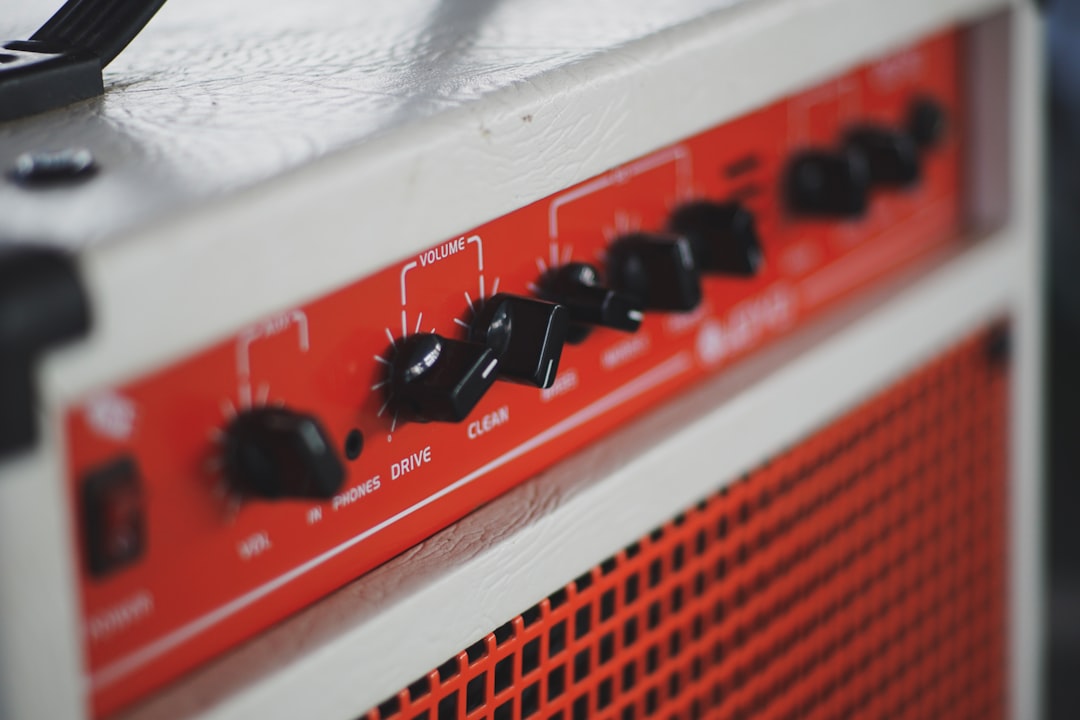
So what is a Tube Screamer? It’s an overdrive pedal made by Ibanez — the TS9 and TS808 are the famous models — that adds warm, mid-focused grit and tightens up your sound. It’s one of the most recorded guitar pedals ever made, used by blues, rock, and metal players alike, and it does something specific that’s worth understanding before you buy or reach for the plugin version.
What a Tube Screamer actually does
A Tube Screamer is a soft-clipping overdrive. Rather than producing huge amounts of distortion on its own, it adds a moderate, smooth breakup and shapes your tone in two key ways:
- It bumps the midrange. The circuit has a pronounced mid-hump around the upper mids, which helps a guitar cut through a mix.
- It rolls off some low end. This tightens the bass, which is why it’s so popular for keeping high-gain tones from sounding flubby.
The three controls are simple: Drive (how much overdrive), Tone (brightness), and Level (output volume). That’s the whole pedal — its magic is in how it’s voiced, not in complexity.
The classic use: pushing an amp
The most iconic way to use a Tube Screamer is as a boost in front of an already-driven amp. Set the Drive low, the Level high, and run it into a cranked amp (or a high-gain amp sim). It doesn’t add much dirt itself; instead it pushes the amp harder, tightens the low end, and adds focus and sustain. This trick is everywhere in rock and metal — it’s a big part of why so many tight rhythm tones sound the way they do. Our guide to getting a metal guitar tone leans on exactly this, and it carries straight over when you record metal guitar at home.
The other use: standalone overdrive
Turn the Drive up and a Tube Screamer also works as a standalone overdrive for blues and classic rock, giving that warm, vocal, slightly compressed breakup. It cleans up nicely when you roll back your guitar’s volume, which makes it expressive for lead playing. For more on this style, see how to get a blues guitar tone.
How to dial one in
If you’re new to the pedal, the fastest way to understand it is to try the two roles deliberately rather than leaving every knob at noon. Use these as starting points and then trust your ears:
- As a tightening boost: Drive low (often almost off), Level high (two o’clock or beyond), Tone to taste. The pedal is feeding the amp, not making the gain, so most of the character still comes from the amp.
- As a lead overdrive: Drive around eleven to one o’clock, Level set so the pedal sits a touch louder than your bypassed signal, Tone backed off if it feels harsh. This is the classic singing blues-rock voice.
- As a flavour layer: A small amount of Drive into an already overdriven amp adds harmonic richness and sustain without obviously sounding like a separate pedal.
The Tone control interacts heavily with the amp’s own brightness, so set it last, with the amp running, rather than judging it in isolation.
Common mistakes
A few habits trip people up with this pedal:
- Cranking the Drive expecting heaviness. A Tube Screamer maxed out is still a fairly polite overdrive. If you want more saturation, drive the amp harder rather than the pedal.
- Leaving the Level too low when boosting. The whole point of the boost trick is the extra output hitting the amp’s input. If Level is low, you lose the push that tightens and sustains the tone.
- Fighting the mid-hump. Some players scoop their amp EQ and then wonder why the pedal sounds nasal. The mids are a feature; work with them rather than against them.
- Stacking too many drives. A Tube Screamer plays nicely in front of one dirty amp. Pile several overdrives together and the low-end roll-off can stack up until the tone gets thin and fizzy. If you run more than one drive, plan the order carefully when you build a pedalboard.
TS9 vs TS808 and the clones
The TS808 is the original; the TS9 came later with a slightly brighter, more aggressive output stage. The differences are subtle and both are excellent. Beyond Ibanez, the Tube Screamer circuit is one of the most cloned designs in pedal history — countless overdrives are variations on it, and many drive plugins emulate it too. If you see a green overdrive, there’s a fair chance it’s Tube Screamer-inspired.
Tube Screamer in the box
You don’t need the hardware to get the sound. Most amp sim suites and plugin bundles include a Tube Screamer-style overdrive you can place before the amp model — for example, the drive pedals inside Neural DSP plugins, IK Multimedia Amplitube, and many free amp sims. Stacking a virtual Tube Screamer in front of a virtual high-gain amp gives you the same tightening effect entirely inside your home guitar recording rig. If you’d rather use a real pedal in software, our guide on using guitar pedals in your DAW shows how, and if you want a heavier voice you can reach for one of the best distortion plugins for guitar instead. The signal order matters here: keep the drive before the amp model, just as you would in a physical rig, so the amp reacts to the boosted signal the way it’s designed to.
When a Tube Screamer isn’t the answer
Because it scoops some lows and pushes mids, a Tube Screamer isn’t ideal for every sound. If you want big, open low end or a scooped modern metal tone on its own, a different drive or distortion may suit you better. It also won’t turn a clean amp into a metal rig by itself — it’s a sculptor and booster, not a heavy distortion box.
Frequently asked questions
Is a Tube Screamer a distortion or overdrive pedal?
It’s an overdrive. It produces a moderate, smooth breakup rather than the heavy, saturated sound of a distortion pedal. Players often use it to push an amp into more gain rather than as the main source of distortion.
Why do metal players use a Tube Screamer if it’s not very heavy?
They use it as a tightening boost. Running it with low drive and high level into a high-gain amp cuts loose low end and adds focus, which makes palm-muted riffs sound tight and articulate. The amp supplies the heaviness; the pedal shapes it.
Do I need the real pedal or is a plugin fine?
For recording, a plugin version is fine and convenient, especially since most amp sim suites include one. The hardware is great for live use and feel, but in a DAW the in-the-box Tube Screamer does the same job.
Where does a Tube Screamer go in my signal chain?
Early in the chain, before the amp (or amp sim), and typically after a tuner and any wah or compressor. Putting it in front of the amp is what lets it tighten the low end and drive the front end harder — placing it after distortion or in an effects loop changes its character entirely.