
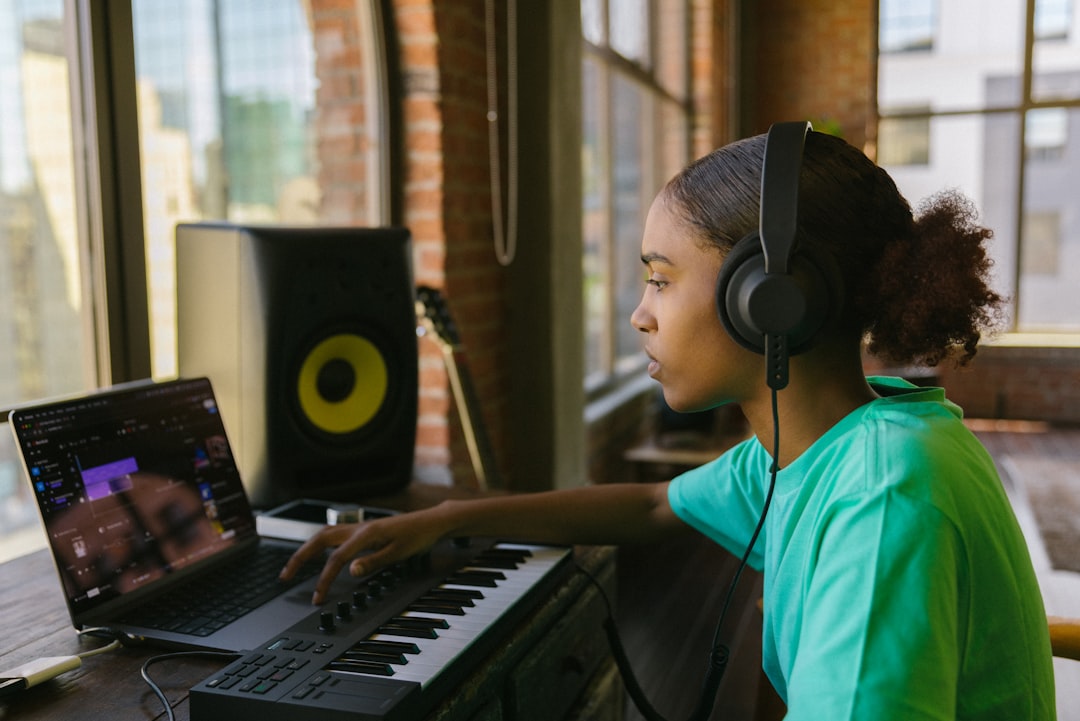
To learn how to make drill beats, focus on three things: a sliding, melodic 808, the distinctive drill hi-hat pattern, and a dark, eerie melody. Set your tempo around 140 BPM (felt as half-time), program the signature off-kilter hats and snares, then build a menacing melodic loop on top. Here’s the full workflow for UK- and NY-style drill.
Set the tempo and feel
Drill is usually written around 138–145 BPM, but like trap it has a half-time feel, so it sounds slower. If you are unsure how tempo translates to feel, our guide to BPM in music explains it. Snares typically land on beat 3, giving that laid-back-yet-aggressive bounce. Pick a minor key for the dark mood the genre is known for.
Program the signature hi-hats
Drill hi-hats are the genre’s calling card. Instead of straight rolls, they use a syncopated, off-grid pattern with triplet bursts and rhythmic gaps that create a galloping, almost stumbling feel. Vary the velocity and pitch, and leave space — drill hats are more about rhythm and groove than constant rolls. This pattern, more than anything, is what makes a beat sound like drill.
Build the sliding 808
The 808 in drill is melodic and constantly sliding. Rather than sitting on root notes, it glides between pitches, almost playing a bassline melody:
- Tune the 808 to your key so the slides are musical.
- Use glide/portamento so notes bend smoothly into each other.
- Layer a short kick on the 808’s attack so it punches through small speakers.
- Saturate the 808 so it’s audible on phones and laptops.
Snares, claps and percussion
Place the main snare or clap on beat 3 for the half-time backbeat. Add ghost snares and rolls leading into bar changes for momentum, and use rimshots or claps layered with the snare for body. A touch of reverb adds space without washing out the groove.
Write a dark melody
Drill melodies are eerie and minimal — think detuned bells, plucks, sliding leads, strings or piano in a minor or Phrygian-flavoured scale. Keep it sparse and haunting, leaving room for the 808 and vocals. If you build the melody from a sampled source, our how to sample music guide covers chopping and clearance.
Choosing your sounds and samples
A drill beat lives or dies on its sound selection, so spend time picking sounds that already have the right character before you start arranging. The goal is a cold, modern palette rather than warm or vintage tones.
- 808s: choose a sub with a clean, sustained tone that holds pitch well when you slide it. A muddy or short 808 fights the glides and loses the melodic movement the genre depends on.
- Hi-hats: pick crisp, slightly bright hats that cut through without harshness. You will be programming fast triplet bursts, so a hat with a quick decay keeps the pattern from smearing together.
- Melodic instruments: bells, muted plucks, dark pianos and bowed strings all suit drill. Detune or pitch them down slightly to push the menacing feel.
- Texture: a faint vinyl crackle, room noise or reversed tail under the loop adds the eerie, lo-fi atmosphere associated with UK drill in particular.
If you are working from records or acapellas, the same care applies to source material: a sample with the right mood will carry the beat further than any plugin chain. Choose phrases that already feel haunting in their original key.
Lock in the drill groove
Drill’s feel is everything, and it comes from the interplay between the sliding 808 and those off-kilter hats. To lock it in:
- Sync the 808 slides to the hat gaps so the low end and percussion answer each other.
- Leave space — drill is rhythmically busy in the hats but sparse elsewhere, so don’t overcrowd the beat.
- Use ghost notes and rolls on snares to push into bar changes.
- Vary patterns every few bars so the loop evolves instead of repeating endlessly.
Loop your two bars and keep refining the timing until the groove has that signature menacing bounce. If it sounds stiff, the hats and 808 slides are usually the culprits.
Arrange it for an artist
A drill beat needs structure so a rapper can write to it. Build an intro that introduces the melody, a main section with the full groove for verses, and a switch-up — a beat change, a new melody, or a stripped-back section — to keep longer tracks interesting. Dropping the 808 or hats out for a bar or two creates impact when everything comes back. These arrangement moves turn a loop into a record.
Mix so it knocks
Drill needs a powerful, clean low end dominated by the 808. Sidechain the 808 to the kick, high-pass your melodies and hats to clear room for the sub, and keep the lows mono and tight. Our EQ and compression fundamentals guide covers carving space, and clean gain staging keeps headroom for the master. The sliding sub is the hardest part to control, so our walkthrough on how to mix 808s is worth a read. If mixing is new, start with the beginner’s guide to mixing your first song, and find more in our mixing and mastering hub.
Common mistakes to avoid
Most drill beats that fall flat share the same handful of problems. Watch for these as you build:
- Quantising the hats too hard: snapping every hat to the grid kills the stumbling, human feel. Let some notes sit slightly off and vary the timing of triplet bursts.
- A static 808: if the 808 sits on root notes without sliding, the track sounds more like trap than drill. The glides are the genre, so write a small bassline rather than single hits.
- Overcrowding the melody: stacking too many melodic layers leaves no room for the rapper or the 808. Keep the top end sparse and let space do the work.
- Muddy low end: the kick and 808 occupying the same frequencies cancel each other out. Layer a short kick on the attack and keep the sustained sub clean underneath.
- No dynamics in the arrangement: a loop that never changes loses a listener. Use drop-outs and a switch-up so the beat breathes across a full track.
Frequently asked questions
What BPM are drill beats?
Drill is typically 138–145 BPM, but with the snare on beat 3 it has a half-time feel, so it sounds closer to 70 BPM while the hi-hats run at the faster tempo.
What makes drill hi-hats sound different?
Drill hi-hats use a syncopated, off-grid pattern with triplet bursts and gaps, rather than the steady rolls of trap. That stumbling, galloping rhythm is one of the genre’s most recognizable features.
How is a drill 808 different from a trap 808?
Drill 808s are far more melodic — they constantly slide and glide between notes, effectively playing a bassline melody, whereas trap 808s more often sit on root notes that follow the chords. If you want to compare workflows directly, see our guide on how to make trap beats.
What is the difference between UK and NY drill?
Both share the sliding 808 and off-kilter hats, but UK drill tends to be darker and more minimal with sparser, eerier melodies, while New York drill often borrows sampled or interpolated melodic loops and sits at a slightly punchier, more aggressive energy. The core production techniques are the same; the mood and sound selection set them apart.



