
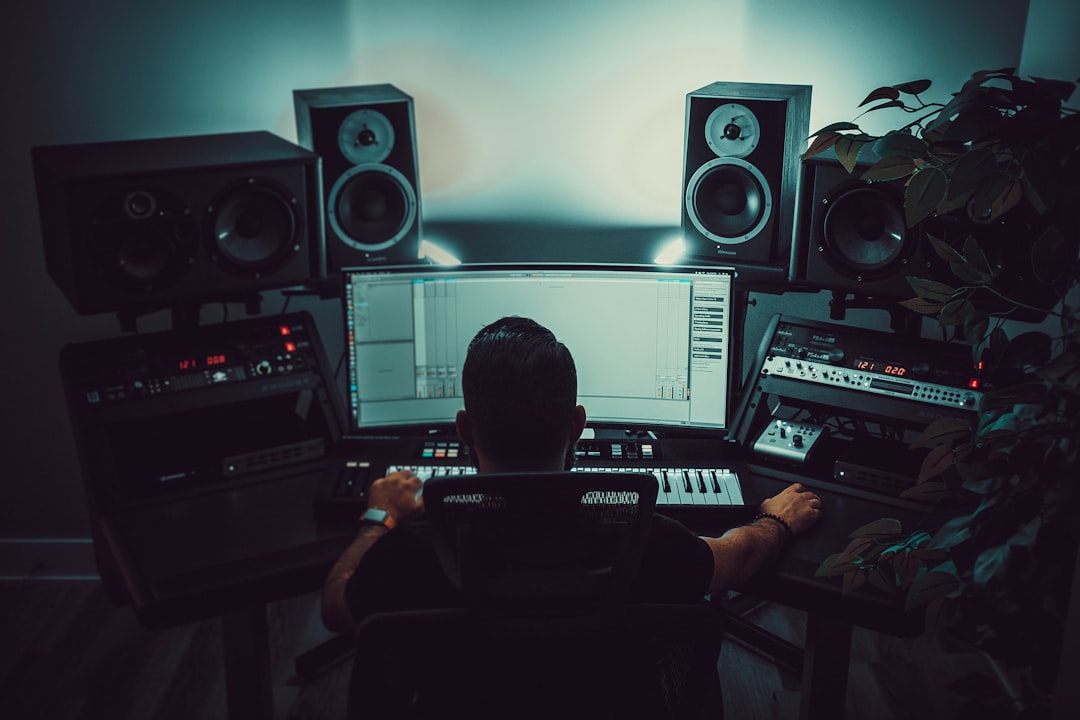
To make synthwave you recreate a 1980s sound using analog-style synths for bass, leads and pads, a steady four-on-the-floor or programmed drum machine groove with gated reverb, driving arpeggios, and a nostalgic, cinematic mood, usually around 80–118 BPM. Learning how to make synthwave is about capturing retro tones and atmosphere. Here is a practical guide for the home studio.
Synthwave (also called retrowave or outrun) is inspired by 80s film scores, video games and pop. The whole genre leans on a specific palette of vintage synth sounds and production choices.
Set the tempo and mood
Most synthwave sits between 80 and 118 BPM, with a lot of tracks around 100–110. If you are unsure how tempo shapes a track, our explainer on BPM in music covers the basics. The feel is steady and hypnotic rather than busy. Decide on the mood first: driving and energetic (outrun), dark and dystopian (darksynth), or dreamy and warm (dreamwave). Minor keys dominate and give that bittersweet, nostalgic flavour.
Choose authentic 80s synth sounds
The sound is everything in synthwave. Use analog-style synths — virtual instruments that emulate classic hardware like the Juno, Jupiter, DX7 and Prophet work perfectly, and free synths such as Vital and Surge can nail these tones; see our roundup of the best free synth VSTs. Build your palette:
- Bass: a punchy analog synth bass, often played in steady eighth or sixteenth notes.
- Lead: a bright saw or square lead, sometimes with a slight glide (portamento).
- Pads: warm, lush string-style pads for the cinematic backdrop.
- Bells and FM tones: classic DX7-style electric piano and bell sounds for melodies.
Add chorus to thicken sounds — it is a core part of the 80s character.
Program drums with gated reverb
Synthwave drums use vintage drum-machine sounds — think LinnDrum and classic Roland machines — and a steady, often four-on-the-floor pattern. The signature is the big, gated-reverb snare: a huge snare with a reverb tail that cuts off abruptly, the iconic 80s drum sound. Keep the kick punchy, add electronic toms and claps, and let the groove stay simple and propulsive. Set clean levels with our gain staging guide.
Write arpeggios and melodies
Arpeggios drive synthwave. Take your chord progression and run it through an arpeggiator playing fast, steady sixteenth notes — this rolling, hypnotic motion is central to the outrun feel. Over the top, write a strong, singable lead melody. Keep harmony simple, often just a few minor-key chords looping, so the arpeggios and melody carry the song.
Arrange for a cinematic build
Synthwave tracks tend to build gradually like a film score: start with an atmospheric intro, layer in the bass and arpeggio, bring in drums, then add the lead melody for the main section. Use long pads and reverb-drenched transitions. The arrangement should feel like a journey — think night drive, neon and retro sci-fi.
How to layer synths for a thicker sound
One synth alone rarely sounds as big as a finished synthwave record. The trick is layering — stacking two or three sounds that each cover a different part of the spectrum so the whole becomes more than its parts. A good starting recipe is to combine a saw-based lead for body, a brighter square or pulse layer for cut, and a subtle octave layer underneath for weight. Pan the layers slightly apart, detune them by a few cents against each other, and you get the wide, shimmering quality that defines the genre.
The same idea works for bass: a clean sub-octave sine keeps the low end solid while a brighter, slightly distorted layer carries the rhythm and reads on small speakers. When you layer, keep one element as the anchor at full level and tuck the others in quietly behind it — stacking everything at the same volume just creates mud. Mute each layer in turn while the track plays to confirm it is genuinely adding something.
How to choose your tools
You do not need vintage hardware to make convincing synthwave. Almost any DAW with a few quality soft-synths will get you there. When choosing instruments, prioritise three things: a flexible analog-style synth for bass and leads, an FM-capable synth for those bell and electric-piano tones, and a decent chorus, reverb and delay chain. Free options cover all of this, so spend your effort learning one or two synths deeply rather than collecting dozens. The musicianship and sound design matter far more than the brand on the plugin.
Common mistakes to avoid
A few habits separate a flat demo from a record that sounds the part:
- Over-busy arrangements: synthwave breathes. Resist filling every bar — space and repetition are part of the hypnotic appeal.
- Dry, lifeless sounds: the genre lives on reverb, delay and chorus. A bone-dry mix will never feel 80s.
- Too many competing leads: let one melody own the spotlight at a time and keep supporting parts simpler.
- Clashing low end: if the kick and bass occupy the same frequencies they fight. Carve space so each is heard clearly.
- Ignoring the build: dropping every element in at once kills the cinematic payoff. Hold parts back so the chorus lands.
Mix and master for that retro polish
Mix synthwave with width and warmth. Use generous reverb and delay to create the spacious, dreamy atmosphere, and add subtle saturation or tape-style processing for analog warmth. Sidechain the pads and bass lightly to the kick for movement — our guide to sidechain compression shows how. Learn the basics in our guide to using reverb and delay, balance with EQ and compression fundamentals, and set loudness with our guide to LUFS.
Frequently asked questions
What synths are used in synthwave?
Synthwave recreates classic 80s hardware like the Roland Juno and Jupiter, the Yamaha DX7 and the Prophet. Modern software emulations and free synths such as Vital and Surge can produce these tones convincingly.
What is the gated reverb snare?
It is the huge, iconic 80s snare sound created by adding a big reverb to the snare and then cutting the reverb tail off abruptly with a gate. It gives synthwave drums their punchy, explosive, retro character.
What BPM is synthwave?
Synthwave usually sits between 80 and 118 BPM, with many tracks around 100–110. The tempo stays steady and hypnotic, supporting the rolling arpeggios rather than fast, busy rhythms.
Do I need analog hardware to make synthwave?
No. Software emulations of classic synths reproduce the tones faithfully, and many acclaimed synthwave tracks are made entirely in the box. Focus on sound design, arrangement and the right effects rather than buying vintage gear.



