
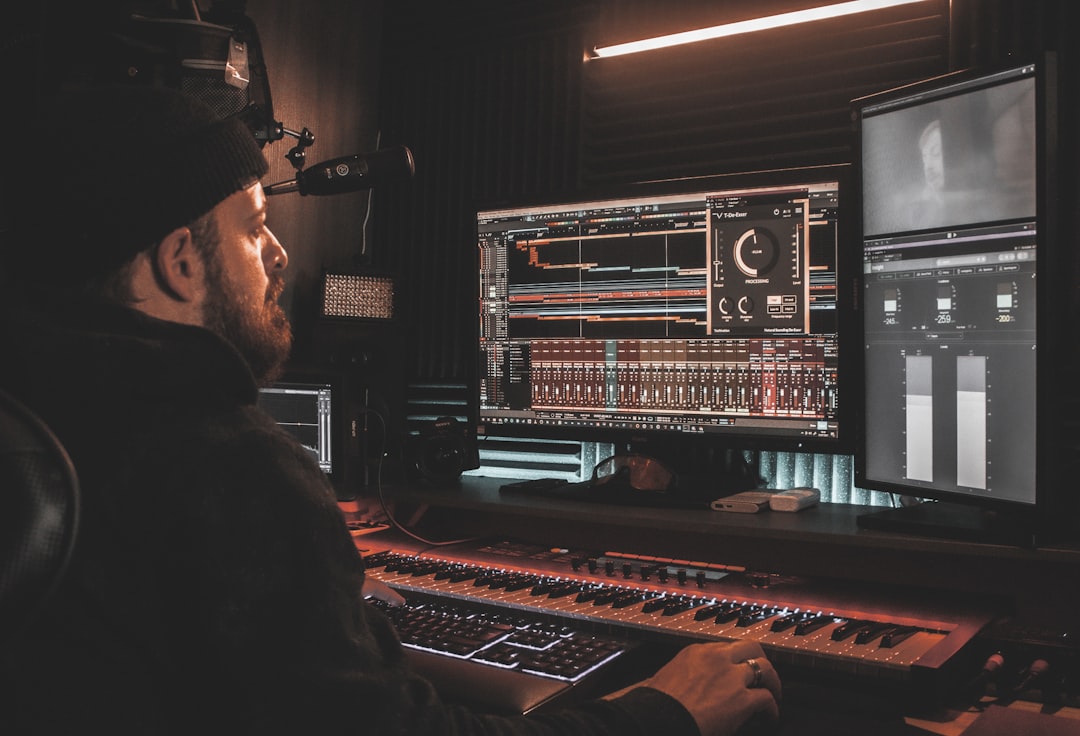
Asking is audio engineering a good career deserves an honest answer: it can be a genuinely rewarding career for the right person, but it is competitive, the income is uneven early on, and success depends as much on business and people skills as on technical ability. If you love sound and you’re willing to hustle, it can absolutely work — just go in with clear eyes.
Here’s a balanced look at the upsides, the downsides, and who tends to thrive.
The case for audio engineering
There’s a lot to like about the field:
- You do work you care about. Helping a song or a film sound its best is creatively satisfying in a way many jobs aren’t.
- Multiple paths. Studio, live sound, mixing, mastering, game audio, broadcast and post-production all sit under one skill set. If one area slows down, you can pivot.
- Low barrier to start. You can learn the craft from a home setup — see how to learn audio engineering at home — without a huge upfront cost.
- Freelance freedom. A freelance mixing business lets you set your own hours and work with clients worldwide.
- Skills that compound. The longer you do it well, the more your reputation, contacts and rates grow.
The honest downsides
It wouldn’t be fair to sell only the good parts:
- It’s competitive. Lots of people want in, and entry roles are limited and often low-paid.
- Income is uneven. Especially as a freelancer, some months are busy and some are quiet. Read how much do audio engineers make? for a realistic picture.
- Irregular hours. Sessions, gigs and deadlines don’t keep office hours.
- You have to sell yourself. Technical skill alone won’t pay the bills — you need clients, and that means marketing and networking.
Who actually thrives
The engineers who build lasting careers tend to share a few traits. They’re persistent, comfortable promoting their work, and good with people as well as gear. They treat audio as both a craft and a business, and they keep improving their skills long after they technically “made it.” If you only enjoy the technical side and dislike the client and self-promotion side, the road is harder — though roles like staff engineer or live tech can lean more technical.
It also helps to be honest about your own temperament before you commit. Audio work rewards patience: you might spend an afternoon chasing a single hum, re-amping a guitar five different ways, or making tiny gain moves a client will never consciously notice. People who find that kind of detail-chasing soothing rather than maddening tend to last. So do those who can take blunt feedback on their mixes without taking it personally — your work will be critiqued constantly, and the engineers who improve fastest treat every note as information rather than insult.
How to give yourself the best odds
Career success in audio is largely about stacking advantages over time:
- Master the fundamentals of recording, mixing and signal flow.
- Build a portfolio of real work, even if you start with free or low-paid projects.
- Network constantly — most work comes through relationships, not applications.
- Diversify your income across recording, mixing, mastering or live work so a slow month in one area doesn’t sink you.
- Be reliable. In a small industry, your reputation for delivering on time follows you everywhere.
If you’re still deciding which direction to commit to, our overview of how to become an audio engineer lays out the main routes in.
What the day-to-day really looks like
One reason people get disillusioned is that they picture the highlight reel — the finished record, the festival main stage — and not the hours that produce it. A typical week is less glamorous and more practical: tidying sessions and labelling tracks, editing and comping takes, troubleshooting a noisy signal chain, answering client emails, chasing invoices, and backing up everything twice so a drive failure never costs you a project. If you want a closer look, a day in the life of an audio engineer walks through a realistic schedule. Live engineers spend a surprising amount of time on logistics — load-in, cable runs, line checks and tear-down — with the actual show being the short, high-pressure middle.
None of this is a reason to avoid the field; it’s simply the reality behind the craft. The people who enjoy a career in audio are usually the ones who find the unglamorous parts satisfying too, because doing them well is exactly what separates a dependable professional from an enthusiastic hobbyist.
Money, and how to make it less stressful
The honest truth is that early-career pay in audio is often modest, and freelance income arrives in waves rather than a steady drip. The engineers who stay sane financially plan around that volatility rather than fighting it. That usually means keeping fixed costs low while you build, holding a cash buffer to cover the quiet months, and layering a few different income streams so no single client or service carries you. Many combine paid client work with adjacent earners — teaching, content, sample or template sales, or part-time live work — until their core rates can stand on their own. Raising rates as your reputation grows, rather than competing on being the cheapest, is what eventually turns a precarious hustle into a real living.
Frequently asked questions
Is audio engineering a stable job?
Stability varies. Staff and salaried roles offer more security, while freelancing trades stability for flexibility and higher earning potential. Diversifying your services and clients is the main way freelancers create stability for themselves.
Is it too late to start an audio engineering career?
No. People enter at many ages and from many backgrounds. What matters is your willingness to learn, build a portfolio and network — not when you started. Life and people experience can even be an asset with clients.
Do I need a degree for it to be worth it?
Not necessarily. A degree can help with fundamentals and contacts, but plenty of successful engineers are self-taught. The deciding factors are skill, portfolio and reputation, not the certificate on your wall — we weigh this up in detail in do you need a degree to be an audio engineer?
Is audio engineering a dying career?
No, but it is changing. Cheaper tools have made the field more crowded and pushed down the bottom end of the market, yet demand for skilled audio keeps growing across music, film, games, podcasts and streaming. The work shifts rather than disappears — engineers who keep learning and stay adaptable continue to find a place in it.



