
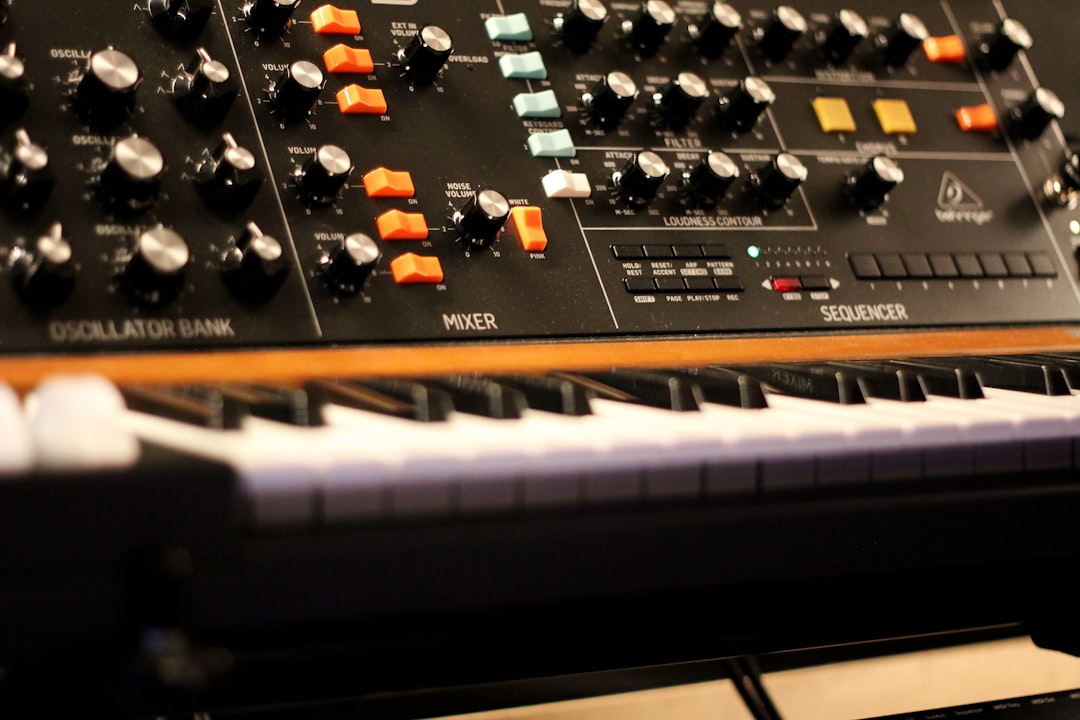
Looking for the best free piano samples? The short answer: the strongest free options come from a handful of reliable places — reputable sample libraries’ free tiers, label and developer freebies, and the free packs producers share on forums and Discord servers. Below we cover what separates a genuinely usable free piano from a thin, unusable one, where to look, and how to stay on the right side of licensing.
Violet Recording is reader-supported — we may earn a commission from links on this page, at no extra cost to you.
The quick list: where free piano samples actually come from
If you just want the fast version, here are the source types worth your time, roughly in order of quality and reliability:
- Free tiers and starter packs from major sample platforms — the free downloads offered by subscription libraries like Splice are curated and well-recorded.
- Developer and library freebies — many sample-library makers release a cut-down free piano to showcase their paid instruments.
- Label and artist free packs — labels and well-known producers occasionally give away construction kits that include piano loops and one-shots.
- Community packs — producer forums, subreddits and Discord servers where people share their own recordings and edits.
- Public-domain and Creative Commons archives — larger, more variable, but a goldmine if you dig and read the licence.
What separates a great free piano sample from a throwaway one
Not all free is equal. A piano recorded badly is worse than no piano at all, because you will spend more time fixing it than it saves you. Here is what to listen for before you commit a sample to a project.
Velocity layers. A single recording of one note played at one volume sounds fake the moment you play a real performance. Good sampled pianos capture several velocity layers so soft passages are mellow and hard hits open up. Free one-shots rarely have this, which is fine for a single sustained chord but obvious across a melodic line.
Round-robins and note coverage. The best free packs sample many individual keys rather than stretching one note across an octave. Stretched samples develop a warbly, chipmunk quality at the extremes. If a “piano pack” is only a handful of files, expect it to be loops rather than a playable instrument.
Recording quality and noise floor. Listen on headphones for hiss, hum, pedal thumps, room rumble and clipping. A little natural room sound can be lovely on a felt or upright piano; broadband hiss and digital clipping cannot be undone. Free does not have to mean noisy, but it often does, so audition carefully.
Tuning and timing. Community recordings are sometimes slightly out of tune or recorded on an instrument that needed servicing. A quick check against a reference tone saves you from building a track on a piano that fights everything else in the mix.
The best free piano samples for different sounds
“Piano” is not one sound. The right free pack depends entirely on the mood you are chasing, so match the source to the style rather than grabbing the first result.
Bright grand piano. For pop, ballads and cinematic work you want a clean, full-range grand with a wide dynamic range. These are the hardest to find truly free, because a convincing multi-sampled grand is a big recording project. Your best bet is the free tier of a major library or a developer’s free showcase instrument.
Felt and soft piano. The muted, intimate felt-piano sound that dominates lo-fi, ambient and modern film scoring is very well served by free releases, because developers love using it as a taster for bigger libraries. These pair beautifully with tape saturation and reverb.
Upright and honky-tonk. Slightly detuned, characterful uprights suit lo-fi hip-hop, folk and vintage-leaning productions. Community packs and public-domain recordings are full of these, and their imperfections are the point.
Electric pianos. Strictly speaking a different instrument, but if you are hunting piano tones, do not overlook free Rhodes-style and Wurlitzer-style samples for soul, neo-soul and jazz. Many free synth and keys packs bundle them in.
Loops versus playable instruments. Decide early. A pack of piano loops gives you instant, in-key phrases to chop and arrange — great for beatmakers. A sampled instrument (usually a Kontakt, SFZ, DecentSampler or plugin format) lets you play your own parts. Both are valuable; they just solve different problems.
Where to actually download free piano samples
Rather than chase specific pack names that come and go, learn the source types so you can always find something current and safe.
Free packs from subscription libraries. Platforms built around sample subscriptions publish free packs and free-tier content to draw you in, and the quality is usually high because it is a shop window. It is a low-risk way to grab professionally recorded piano loops and one-shots.
Developer freebies. Sample-instrument makers frequently offer a free “lite” piano — often a felt or upright — to demonstrate their engine. These are among the best free playable pianos you will find, because a company’s reputation rides on them sounding good.
Producer communities. Forums, the r/edmproduction and r/musicproduction communities, and genre Discord servers regularly share free construction kits and one-shots. Quality varies wildly, so audition everything, but you will find gems with real character here.
Public-domain and Creative Commons libraries. Large archives host user-uploaded recordings, including plenty of piano. These are perfect for lo-fi and experimental work, but this is exactly where licensing gets murky — read on.
If you would rather transform a full track than layer up loops, our free stem splitter tool can pull an isolated instrumental or keys stem out of a reference you already own, which is a handy way to study arrangements (keep it to material you have the rights to).
Free still has a licence — read it before you release
This is the part most people skip, and it is the part that can cost you. “Free to download” is not the same as “free to use however you like”. Every pack, even the free ones, ships with a licence, and they differ more than you would expect.
Some free packs are royalty-free for commercial use with no strings. Others are free for personal or non-commercial projects only. Creative Commons material carries specific conditions — attribution, share-alike, or non-commercial clauses — and public-domain uploads are sometimes mislabelled by whoever posted them. Before you put a free piano sample into a song you plan to distribute, monetise or sync, open the licence file or terms page and confirm three things: can you use it commercially, do you need to credit anyone, and are you allowed to use it in a track for sale. When in doubt, check the licence — do not assume. We are describing general categories here, not certifying any specific pack as royalty-free, so always verify the terms that ship with your download.
How to make free piano samples sound professional
A modest free sample can punch well above its price with a little treatment. Start with tasteful EQ: roll off sub rumble below about 30–40 Hz, tame any boxy build-up in the low mids, and add a gentle air lift if the top end feels dull. Light compression evens out the dynamics of a one-shot chord. A touch of reverb places the piano in a believable space — a short room for pop, a longer hall for cinematic parts. For lo-fi, tape saturation, subtle pitch wobble and a low-pass filter turn a clean sample into something warm and nostalgic.
Layering is the real secret. Stack a bright grand under a felt piano for body and intimacy at once, or double a piano loop with a soft pad to thicken it. If you build a habit of processing rather than dropping samples in raw, the gap between free and premium narrows fast.
When free piano samples aren’t enough
Free packs are brilliant for sketching, learning and plenty of finished tracks, but if you produce regularly you will eventually hit their limits: shallow velocity coverage, repetitive loops and licensing you have to double-check every time. That is the point where a subscription library earns its keep. A service like Splice gives you deep, professionally recorded piano loops and one-shots with clear, consistent licensing, so you spend your time writing instead of auditing terms.
And if what you actually want is a finished, original piece rather than raw samples to assemble, an AI music tool like Solmi can generate an original track you own the rights to — a different route to the same goal when a deadline is looming.
Keep building your sound
Piano is one piece of the puzzle. If you are stocking a free production toolkit, it is worth reading our guides to the best free synth VSTs, the best free drum VSTs and the best free synths for sound design, plus our roundup of the best sampling apps for chopping and arranging what you collect. You will find more in our sound design hub.
Frequently asked questions
Are free piano samples good enough for professional tracks?
Yes, often. Plenty of released records use free or inexpensive samples, especially for lo-fi, hip-hop and ambient styles where character matters more than pristine realism. For exposed, full-range grand piano in a polished pop ballad, a deep paid library will usually sound more convincing — but with good EQ, reverb and layering, a well-recorded free sample can absolutely hold its own.
Can I use free piano samples in songs I sell?
Sometimes, but only if the licence allows it. Some free packs are royalty-free for commercial use, others restrict you to personal or non-commercial projects, and Creative Commons files may require attribution. Always open the licence or terms that come with the download and confirm commercial use is permitted before you release or monetise a track. When it is unclear, treat it as not allowed until you have checked.
What format should I download — loops or a playable instrument?
It depends on how you work. WAV loops and one-shots drop straight into any DAW and are ideal if you like chopping and arranging pre-made phrases. A sampled instrument in a format like Kontakt, SFZ or DecentSampler lets you play your own melodies with realistic velocity response. Many producers keep both on hand — loops for speed, a playable piano for original parts.



